Best Public EV Charging Networks in the UK for 2026
Ranked by use case: which network wins for motorway driving, reliability, price and urban coverage
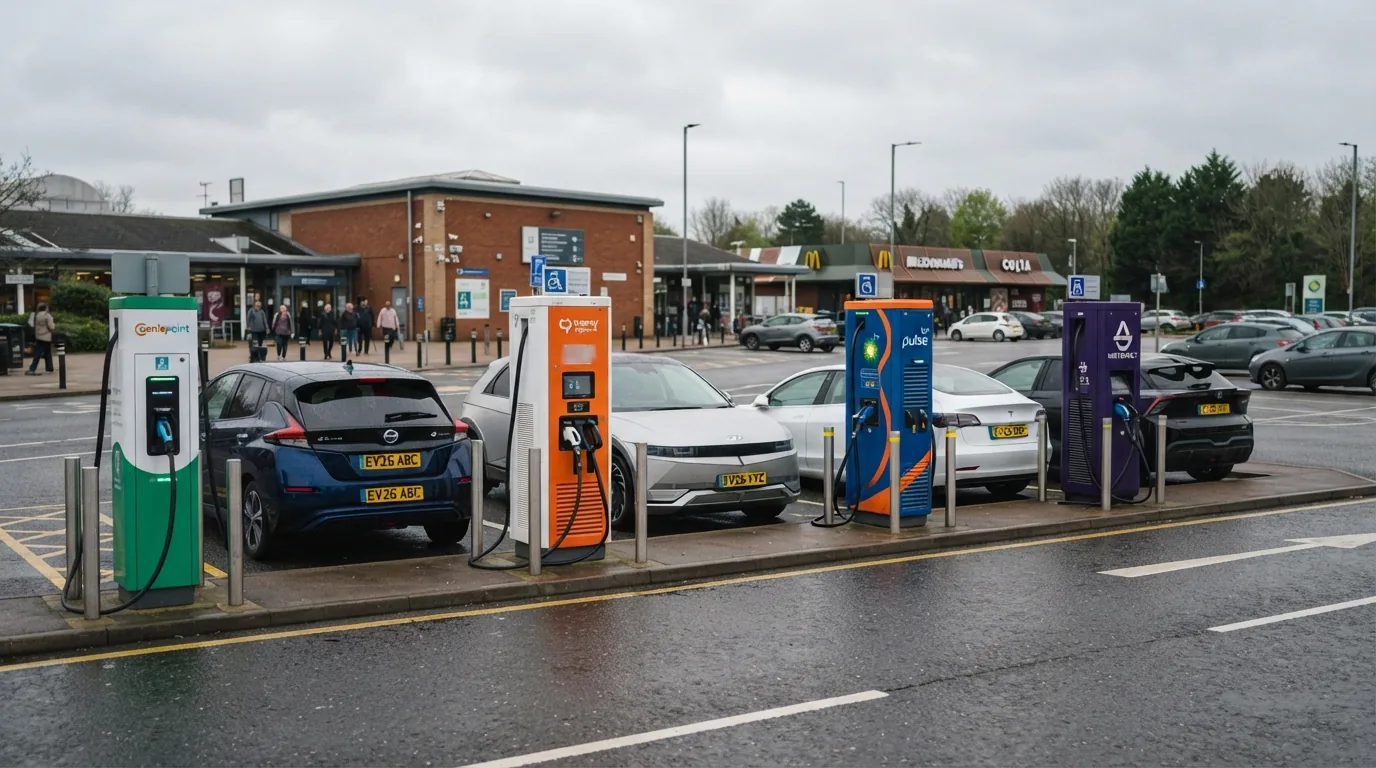
Quick answers
- The UK has dozens of public EV charging networks, from the 14,500-strong Shell Recharge estate to boutique operators with a handful of dedicated motorway hubs.
- Quick comparison table: Figures from Zap-Map and network operator pricing pages, April/May 2026.
- GRIDSERVE operates at around 85% of UK motorway services, making it the most consistently present rapid network on the strategic road network.
- Both networks consistently top Zap-Map user ratings and independent reliability assessments.
- IONITY's standard PAYG rate of 74p per kWh is not particularly cheap, but the annual Power plan at 43p per kWh is the lowest fixed rate available on any major UK ultra-rapid network in 2026.
- Pod Point operates around 8,200 chargepoints at Tesco, Lidl, and other retail destinations.
The UK has dozens of public EV charging networks, from the 14,500-strong Shell Recharge estate to boutique operators with a handful of dedicated motorway hubs. Picking the right one depends on where you drive, how often you charge publicly, and whether you want the cheapest possible rate or the most reliable experience. This guide ranks the main networks by use case, based on chargepoint counts, pricing and reliability data from Zap-Map, ChargeUK and network operator pages updated to May 2026.
Quick comparison table
| Network | Total UK chargers | Rapid/ultra-rapid | Best PAYG rate | Membership option | Reliability |
|---|---|---|---|---|---|
| GRIDSERVE Electric Highway | ~2,100 | 90–350 kW | ~75p/kWh | App (free) | Good |
| InstaVolt | ~2,100 | 50–300 kW | 55p/kWh off-peak | App (free, off-peak only) | Very good |
| Tesla Supercharger | ~2,900 | 72–250 kW | 45p/kWh (non-Tesla) | Tesla account | Excellent |
| Osprey | ~2,838 | 50–150 kW | 82p/kWh (app) | App (free) | Very good |
| BP Pulse | ~2,491 rapid + slower | 7–150 kW | 69p/kWh (subscriber) | £7.85/month | Mixed |
| MFG EV Power | ~2,866 rapid | 150–360 kW | ~79p/kWh | None | Good |
| IONITY | ~788 | 150–350 kW | 43p/kWh (annual plan) | £10.50/month | Good |
| Fastned | ~226 | 50–300 kW | ~79p/kWh; 30% off (Gold) | £9.99/month | Good |
| Shell Recharge | ~14,500 total | Various | 79p/kWh | £9.99/month | Mixed |
| Pod Point | ~8,200 | 7–50 kW | 44p+ /kWh (Tesco) | App (free) | Mixed |
| Connected Kerb | ~7,040 | 3–7 kW mainly | From 35p/kWh | None | Varies |
Figures from Zap-Map and network operator pricing pages, April/May 2026. PAYG rates change frequently.
Best for motorway driving: GRIDSERVE Electric Highway
GRIDSERVE operates at around 85% of UK motorway services, making it the most consistently present rapid network on the strategic road network. Its 2,100 chargers include units at 90 kW to 350 kW, and new Super Hub sites developed with Extra MSA Group are adding 400 kW-capable hardware at Beaconsfield, Baldock, Cambridge, Cobham, Cullompton, Leeds Skelton Lake and Peterborough through late 2026.
GRIDSERVE’s Electric Forecourts at Braintree, Norwich, Stevenage and London Gatwick offer the best amenities of any UK charging location: Costa Coffee, retail, office pods and up to 36 high-power bays. PAYG contactless is accepted at all GRIDSERVE chargers, and the free app gives better session management and receipts. Pricing of around 75p per kWh is not the cheapest on the market, but the reliability and coverage justify it for motorway driving.
Verdict: Best single network for UK motorway journeys.
Best for reliability: InstaVolt and Tesla Supercharger
Both networks consistently top Zap-Map user ratings and independent reliability assessments.
InstaVolt operates around 2,100 rapid and ultra-rapid chargers (50 kW to 300 kW) at supermarkets, retail parks and forecourts across the UK. No membership is required: contactless is standard at every unit, and there are no connection fees. Off-peak pricing of 55p per kWh (8pm to 7am, via the free app) is one of the best rates available anywhere on the UK rapid network. InstaVolt’s hardware is relatively modern and its monitoring and maintenance record is strong.
Tesla Supercharger benefits from a vertically integrated system where Tesla controls the charger hardware, software and backend, meaning faults are identified and resolved faster than on most third-party networks. Around half of the UK’s approximately 2,900 Supercharger sockets are now accessible to non-Tesla EVs, paying around 45p to 56p per kWh. Tesla account holders pay significantly less: typically 22p to 30p per kWh, making Superchargers by far the cheapest rapid option for Tesla owners.
Verdict: InstaVolt for non-Tesla reliability across the network; Tesla Supercharger for Tesla owners or occasional non-Tesla use.
Best for value on long journeys: IONITY (with an annual plan)
IONITY’s standard PAYG rate of 74p per kWh is not particularly cheap, but the annual Power plan at 43p per kWh is the lowest fixed rate available on any major UK ultra-rapid network in 2026. For a driver who regularly uses motorway ultra-rapid chargers on long journeys, IONITY’s 43p rate versus an average 79p PAYG represents a saving of around £14 per 100 kWh added, or roughly £70 per month for a frequent long-distance driver.
IONITY has 788 chargers at Extra motorway services and retail locations, all at 150 kW to 350 kW. Coverage is more limited than GRIDSERVE but the hardware quality is high and reliability good.
Verdict: Best per-kWh rate for committed long-distance drivers on the annual plan.
Best for urban and on-street charging: Shell Recharge and Connected Kerb
Shell Recharge absorbed Ubitricity’s UK on-street network, giving it around 14,500 chargepoints nationwide, including the largest on-street footprint in the UK. Pricing ranges from 52p to 85p per kWh depending on speed and location. A £9.99/month subscription gives 30% off for regular users. Shell Recharge is the dominant force in London’s on-street charging infrastructure and is essential for urban EV drivers without a driveway.
Connected Kerb operates around 7,040 chargepoints, mainly slow on-street units (3 kW to 7 kW) installed in collaboration with more than 27 local authorities. Pricing starts from 35p per kWh, making it the cheapest mainstream on-street option. Connected Kerb is particularly relevant for flat and terrace dwellers in cities without off-street parking.
Verdict: Shell Recharge for widest on-street coverage; Connected Kerb for the lowest price on slow residential charging.
Best for supermarket and destination charging: Pod Point (Tesco and others)
Pod Point operates around 8,200 chargepoints at Tesco, Lidl, and other retail destinations. Tesco’s 2,700 Pod Point chargers at 619 stores offer rates starting from 44p per kWh, which is among the cheapest on any mainstream public network. Speeds are typically 7 kW to 22 kW: not rapid, but if you are doing a 45-minute shop you can add 40 to 70 miles for under £3.
Verdict: Best choice for regular weekly charging during errands. Not suited for motorway driving.
Best for Scotland and rural areas: ChargePlace Scotland transitioning to ScottishPower
ChargePlace Scotland has historically been the main provider in Scotland’s rural and island areas, with around 4,373 chargepoints. In 2026, the network is transitioning to ScottishPower for Highlands, Islands and Argyll and Bute locations. The infrastructure is funded by the Scottish Government and a £17.8 million commitment for 2026 to 2027 specifically targets rural, island and low-income households.
For most of Scotland’s populated areas, GRIDSERVE, BP Pulse, Osprey and InstaVolt are also present. ChargePlace Scotland / ScottishPower remains essential for the NC500 and remote areas.
Verdict: ScottishPower (formerly ChargePlace Scotland) for rural Scotland; commercial networks for cities and trunk roads.
Who should pay for a subscription?
A charging subscription makes financial sense if you add more than 50 to 60 kWh per month via public rapid chargers. Below that level, the monthly fee usually erases the per-kWh saving. The networks offering the best subscription value:
- IONITY Power: 43p/kWh on ultra-rapid; best for frequent long-distance drivers
- Shell Recharge: 30% off app pricing; best for urban drivers using on-street regularly
- Be.EV: 39p/kWh off-peak; excellent value in the North of England where Be.EV has strong coverage
Further reading
For detailed head-to-head comparisons between specific networks, see our comparison guides:
For the full overview of how the public charging system works, visit our Public Charging guide.
How we test and where our numbers come from
Range figures are official WLTP combined values taken from manufacturer UK specification pages, with real-world estimates drawn from independent comparative testing. Prices are UK list prices at the time of the latest update. Tax, grant and charging-scheme figures come from GOV.UK and HMRC publications. We re-check every guide when pricing, specification or policy changes. Last checked 11 August 2026.
Frequently asked questions
Who should pay for a subscription?
A charging subscription makes financial sense if you add more than 50 to 60 kWh per month via public rapid chargers. Below that level, the monthly fee usually erases the per-kWh saving.
Sources and further reading
- zapmap.comZap-MapPrimary source referenced in this article.

EV Compared
The EV Compared editorial team tracks the UK electric vehicle market full time: new model launches, list prices, WLTP and real-world range, public charging tariffs and the tax rules that decide what an EV actually costs to run. Every guide is checked against manufacturer specifications and official GOV.UK figures, and updated whenever the numbers move.
Related reading
View all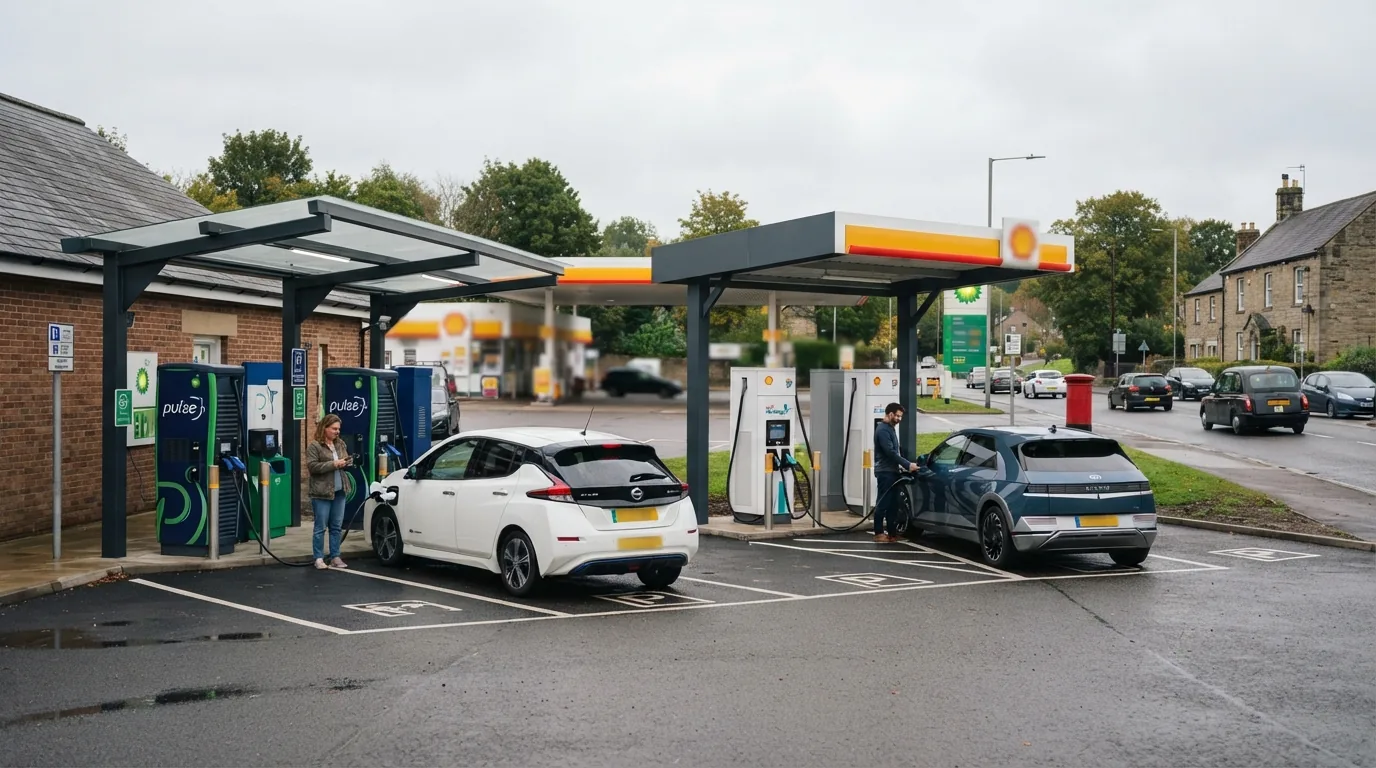
BP Pulse vs Shell Recharge: Which UK Network Wins?
Two of the UK's biggest charging networks compared on price, reliability and which type of driver each suits
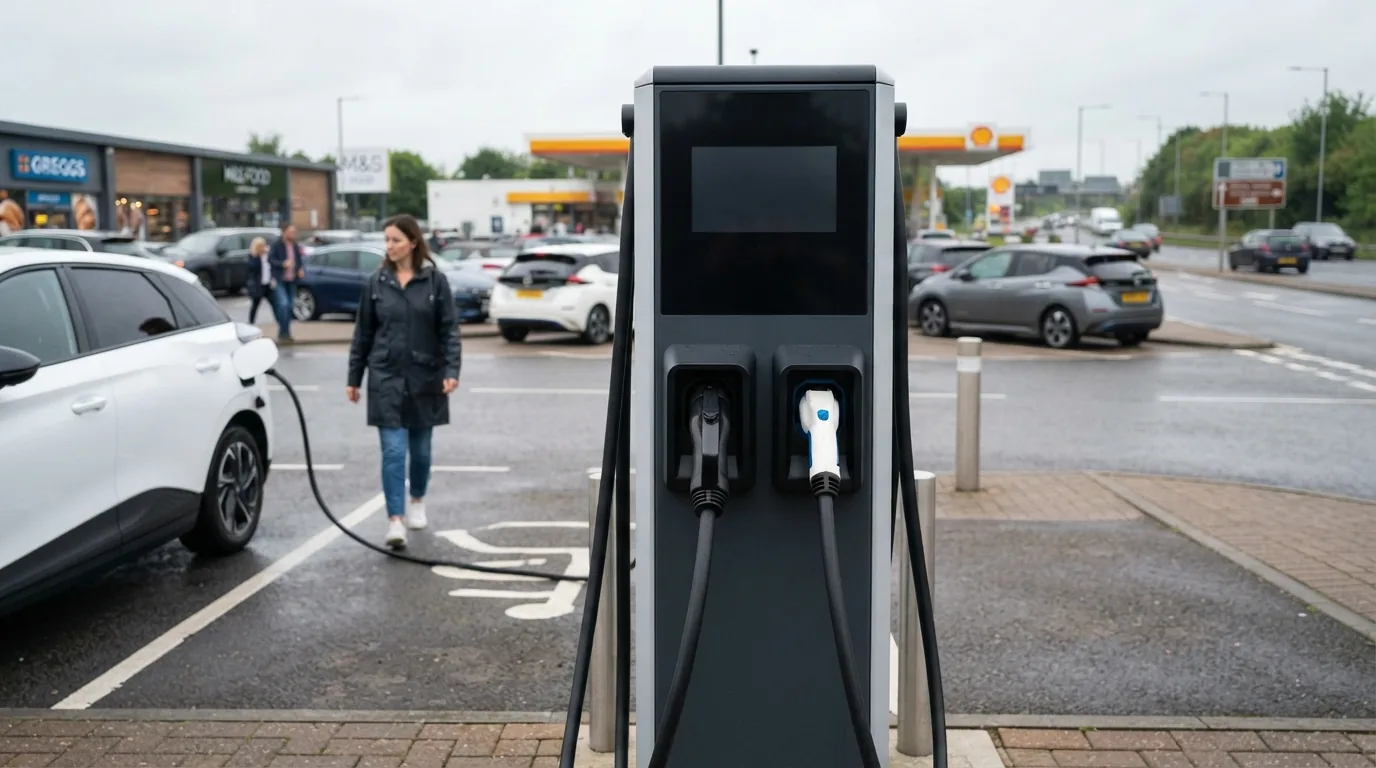
Can You Charge Any EV at Any Public Charger in the UK?
Why almost any new EV works at almost any UK public charger, and the two exceptions you need to know
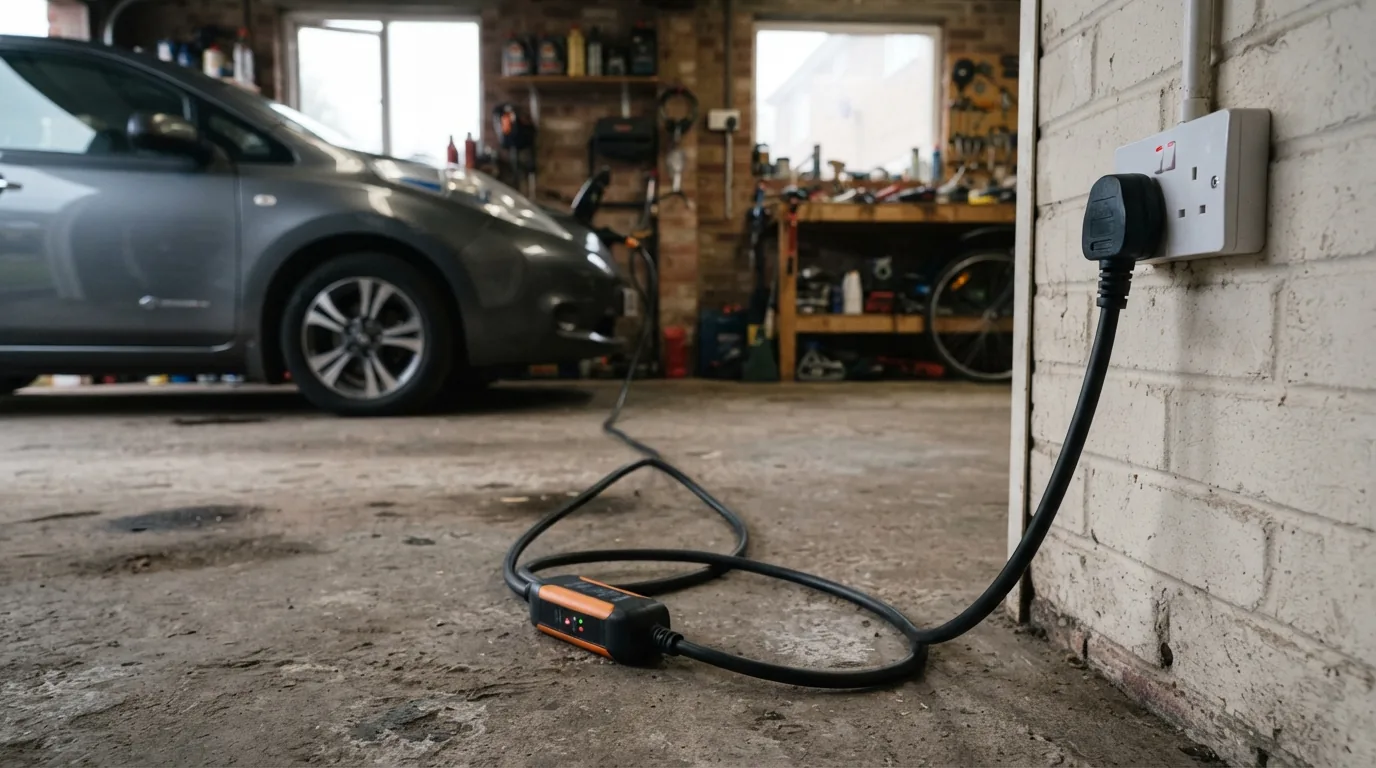
Can You Charge an EV From a Three-Pin Plug in the UK?
Yes, most cars ship with the cable, but speed and safety limits mean it works best for occasional or emergency use