How Much Does Public EV Charging Cost in the UK in 2026?
Current prices by charger speed, network and payment method, with the real cost per mile
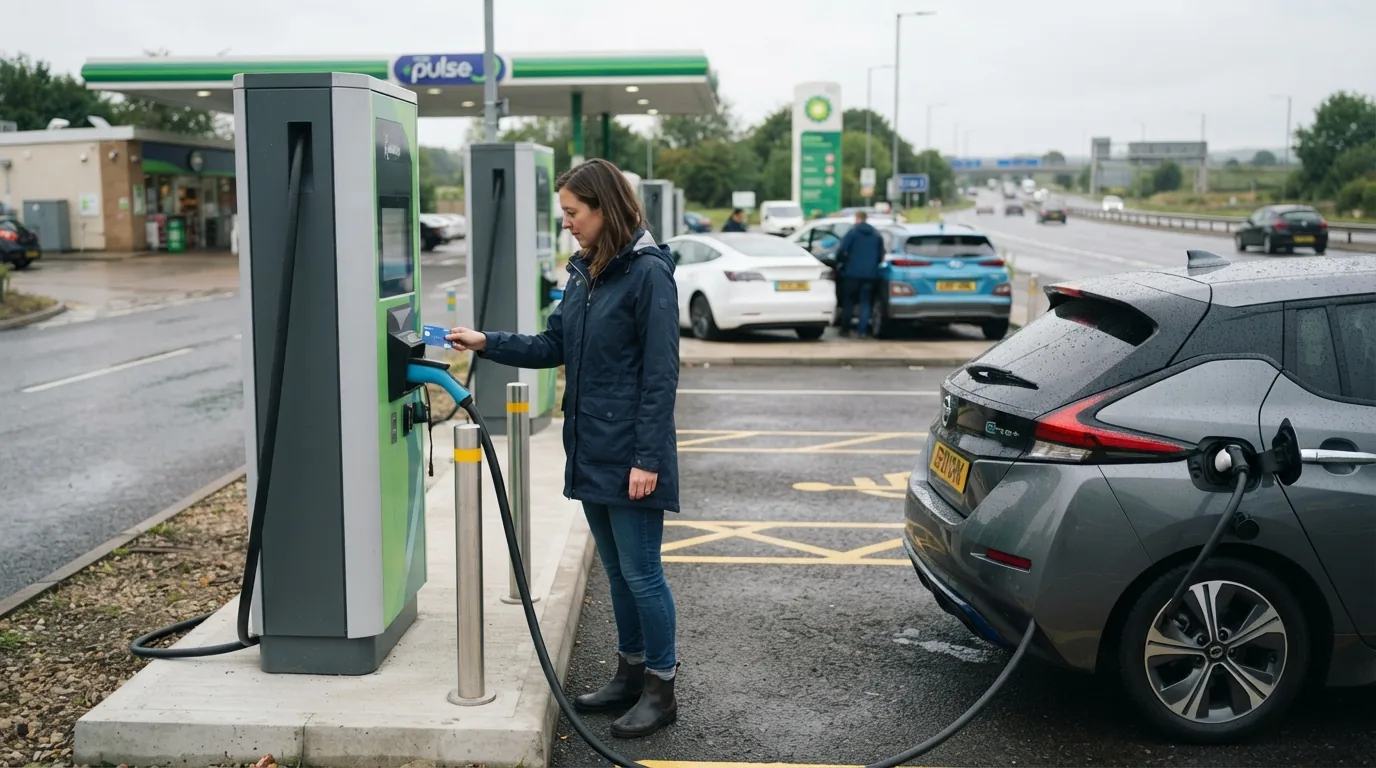
Quick answers
- Public EV charging in the UK costs an average of 79p per kWh for rapid and ultra-rapid chargers and 54p per kWh for slower standard chargers, based on Zap-Map's April 2026 price index.
- Prices climbed 3p per kWh month-on-month in April 2026 after several major networks raised rates.
- How much does each major network charge: Figures based on published tariff pages and Zap-Map's rapid charging price index, May 2026.
- How does this compare to petrol: At 79p per kWh on a rapid charger and 3.5 miles per kWh efficiency, you pay around 23p per mile.
- Does membership save money: For a frequent public charging user, the answer is usually yes.
- Does time of day affect price: If you are planning a long journey, checking whether your preferred network has off-peak rates and timing a stop accordingly can save several pounds per session at a large battery EV.
Public EV charging in the UK costs an average of 79p per kWh for rapid and ultra-rapid chargers and 54p per kWh for slower standard chargers, based on Zap-Map’s April 2026 price index. For a typical EV with an efficiency of 3.5 miles per kWh, that works out at around 23p per mile on rapid chargers and 16p per mile on standard chargers. Prices vary considerably by network, charger speed and whether you pay by contactless or hold a membership.
What are the current prices by charger type?
| Charger speed | Power | Average PAYG price (April 2026) | Approx. cost per mile |
|---|---|---|---|
| Standard | 3–7.9 kW | 54p/kWh | 15p |
| Standard Plus | 8–49 kW | 54p/kWh | 15p |
| Rapid | 50–149 kW | 79p/kWh | 23p |
| Ultra-rapid | 150 kW+ | 79p/kWh | 23p |
Source: Zap-Map charging price index, April 2026. PAYG contactless weighted average.
Prices climbed 3p per kWh month-on-month in April 2026 after several major networks raised rates. The range across the top 10 rapid networks runs from around 56p per kWh to 92p per kWh, so where you charge matters as much as whether you have a membership.
How much does each major network charge?
| Network | PAYG rapid/ultra-rapid | Membership rate | Monthly fee |
|---|---|---|---|
| BP Pulse | 89p/kWh | 69p/kWh | £7.85/month |
| Shell Recharge | 79p/kWh | ~56p/kWh (app) | £9.99/month |
| InstaVolt | 92p/kWh (peak) | 55p/kWh (off-peak via app) | Free |
| GRIDSERVE | ~75p/kWh | ~65p/kWh (app) | Free |
| Osprey | 87p/kWh (contactless) | 82p/kWh (app) | Free |
| IONITY | 74p/kWh | 43p/kWh (annual plan) | £10.50/month |
| Tesla Supercharger | 45–56p/kWh (non-Tesla) | ~30p/kWh (Tesla account) | Free for Tesla |
| Fastned | ~79p/kWh | ~55p/kWh (Gold) | £9.99/month |
| MFG EV Power | ~79p/kWh | n/a | None |
Figures based on published tariff pages and Zap-Map’s rapid charging price index, May 2026. Prices change frequently, check individual network apps or websites before charging.
How does this compare to petrol?
At 79p per kWh on a rapid charger and 3.5 miles per kWh efficiency, you pay around 23p per mile. A petrol car doing 40 mpg at 145p per litre costs around 16p per mile. That gap has narrowed considerably since 2024, and rapid public charging is no longer the bargain it once was compared to home charging at 7p to 10p per kWh on a smart EV tariff.
The RAC’s Charge Watch data tracks whether public charging represents fair value compared to petrol. As of spring 2026, the RAC considered rapid public charging to be broadly comparable to petrol on a per-mile basis for average cars, but still significantly more expensive than home charging.
Does membership save money?
For a frequent public charging user, the answer is usually yes. As an example, BP Pulse charges 89p per kWh contactless and 69p per kWh with a subscription. If you add 25 kWh per session and charge publicly three times a month:
- PAYG: 3 x 25 x 89p = £66.75 per month
- Subscription: 3 x 25 x 69p = £51.75 + £7.85 fee = £59.60 per month
That is a saving of around £7 per month, which grows with usage. IONITY’s annual Power plan at 43p per kWh offers the sharpest discount, but demands a full year’s commitment and only makes sense if you use IONITY locations regularly.
If you charge publicly fewer than twice a month, contactless PAYG is generally simpler and almost as cost-effective when you factor in the monthly fee.
Does time of day affect price?
Increasingly, yes. InstaVolt introduced off-peak pricing in 2025, dropping from 92p per kWh during peak hours to 55p per kWh between 8pm and 7am for app users. Be.EV charges as low as 39p per kWh off-peak for members. IONITY plans are flat-rate rather than time-of-day based, which can make them better value during peak hours.
If you are planning a long journey, checking whether your preferred network has off-peak rates and timing a stop accordingly can save several pounds per session at a large battery EV.
Is home charging always cheaper?
Yes, for drivers who have a driveway. A smart overnight tariff such as Octopus Intelligent charges EV sessions from around 7p per kWh. That makes home charging at least four times cheaper than the cheapest public rapid tariff, and up to thirteen times cheaper than BP Pulse’s contactless rate. Public charging is best treated as a supplement for range extension on longer journeys, not as a primary energy source.
For the roughly 40% of UK households without off-street parking, public charging is a necessity rather than a convenience. On-street chargers via networks like Shell Recharge Ubitricity or Connected Kerb typically charge 52p to 85p per kWh, making them notably more expensive than home charging but unavoidable for many city dwellers.
What is the myth to watch out for?
The common mistake is assuming public charging is always expensive. Standard and standard plus chargers at supermarkets and retail parks are often significantly cheaper than rapid chargers, typically 40p to 54p per kWh. Tesco’s Pod Point network charges from 44p per kWh. If you have an hour to spare while shopping, a 7 kW or 22 kW charger can add 20 to 50 miles of range for under £2, making it one of the better-value charging options outside the home.
The opposite mistake is assuming that contactless PAYG is always the cheapest quick option. Networks are legally required since November 2024 to accept contactless, but they set their contactless rate as their highest tariff. Downloading the free app for your most-used network is the simplest way to reduce your bill without committing to a subscription.
What are the best strategies to keep costs down?
- Use supermarket and retail park chargers when you have time: 7 kW to 22 kW AC chargers at Tesco, Lidl and retail parks typically cost 40p to 54p per kWh, significantly less than rapid rates.
- Charge in off-peak windows: InstaVolt drops to 55p per kWh between 8pm and 7am. Be.EV goes below 40p per kWh off-peak for members.
- Get the operator app rather than paying contactless: Even without a subscription, most network apps save 5p to 20p per kWh over the contactless PAYG rate.
- Consider a subscription if you charge regularly: The IONITY Power plan at 43p per kWh pays for itself in fewer than two sessions per month for a large-battery EV.
- Use Tesla Superchargers if you drive a non-Tesla and a CCS-compatible site is nearby: At 45p to 56p per kWh with no membership needed, open Superchargers are among the better PAYG rapid rates on the market.
- Track your spending via your network app: Several apps (BP Pulse, GRIDSERVE, InstaVolt) show your session history and total monthly spend, which helps you judge whether a subscription would pay off.
Where to go next
For a full comparison of which network suits your style of driving, see our Best Public EV Charging Networks in the UK guide.
For the complete picture on how the public charging system works, return to our Public Charging overview.
How we test and where our numbers come from
Range figures are official WLTP combined values taken from manufacturer UK specification pages, with real-world estimates drawn from independent comparative testing. Prices are UK list prices at the time of the latest update. Tax, grant and charging-scheme figures come from GOV.UK and HMRC publications. We re-check every guide when pricing, specification or policy changes. Last checked 11 August 2026.
Frequently asked questions
What are the current prices by charger type?
Source: Zap-Map charging price index, April 2026. PAYG contactless weighted average.
How much does each major network charge?
Figures based on published tariff pages and Zap-Map's rapid charging price index, May 2026. Prices change frequently, check individual network apps or websites before charging.
How does this compare to petrol?
At 79p per kWh on a rapid charger and 3.5 miles per kWh efficiency, you pay around 23p per mile. A petrol car doing 40 mpg at 145p per litre costs around 16p per mile.
Does membership save money?
For a frequent public charging user, the answer is usually yes. As an example, BP Pulse charges 89p per kWh contactless and 69p per kWh with a subscription.
Does time of day affect price?
Increasingly, yes. InstaVolt introduced off-peak pricing in 2025, dropping from 92p per kWh during peak hours to 55p per kWh between 8pm and 7am for app users.
Sources and further reading
- zapmap.comZap-MapPrimary source referenced in this article.

EV Compared
The EV Compared editorial team tracks the UK electric vehicle market full time: new model launches, list prices, WLTP and real-world range, public charging tariffs and the tax rules that decide what an EV actually costs to run. Every guide is checked against manufacturer specifications and official GOV.UK figures, and updated whenever the numbers move.
Related reading
View all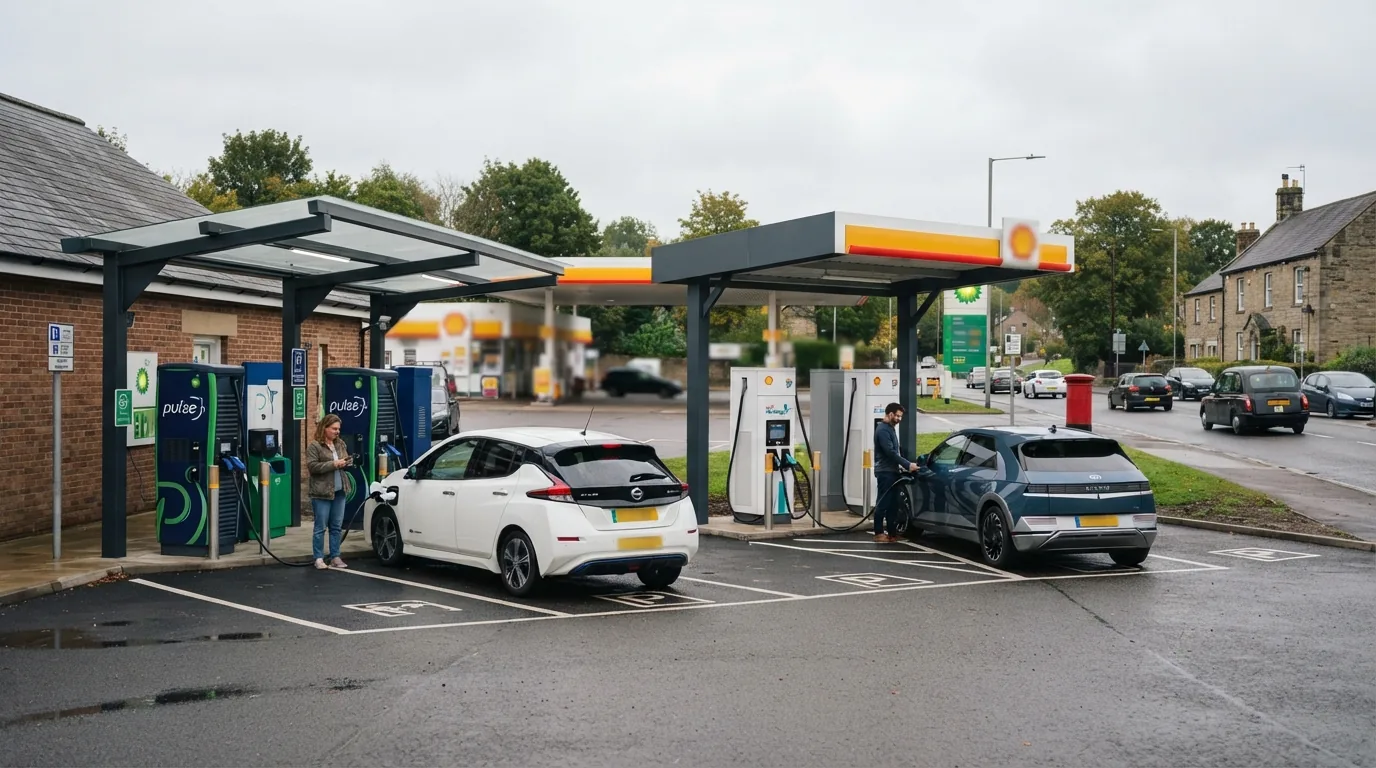
BP Pulse vs Shell Recharge: Which UK Network Wins?
Two of the UK's biggest charging networks compared on price, reliability and which type of driver each suits
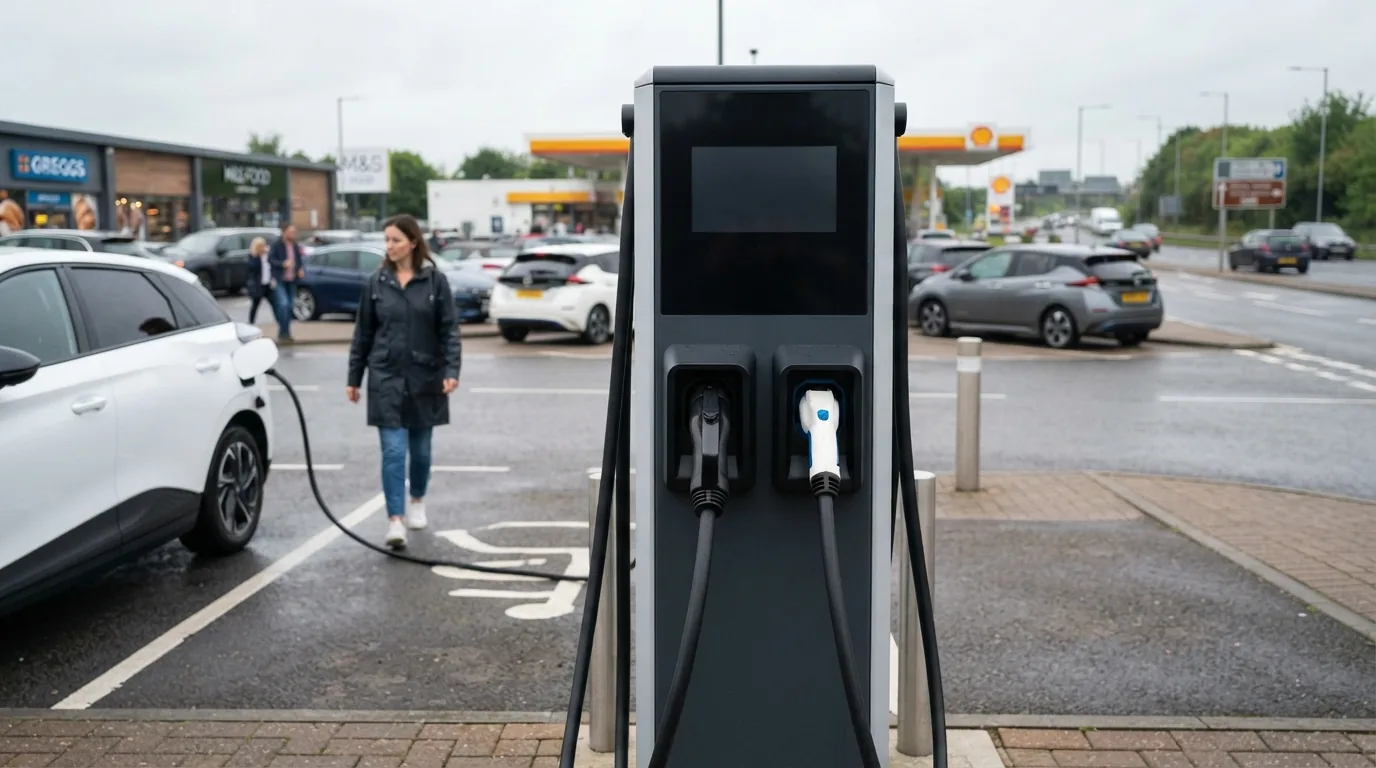
Can You Charge Any EV at Any Public Charger in the UK?
Why almost any new EV works at almost any UK public charger, and the two exceptions you need to know
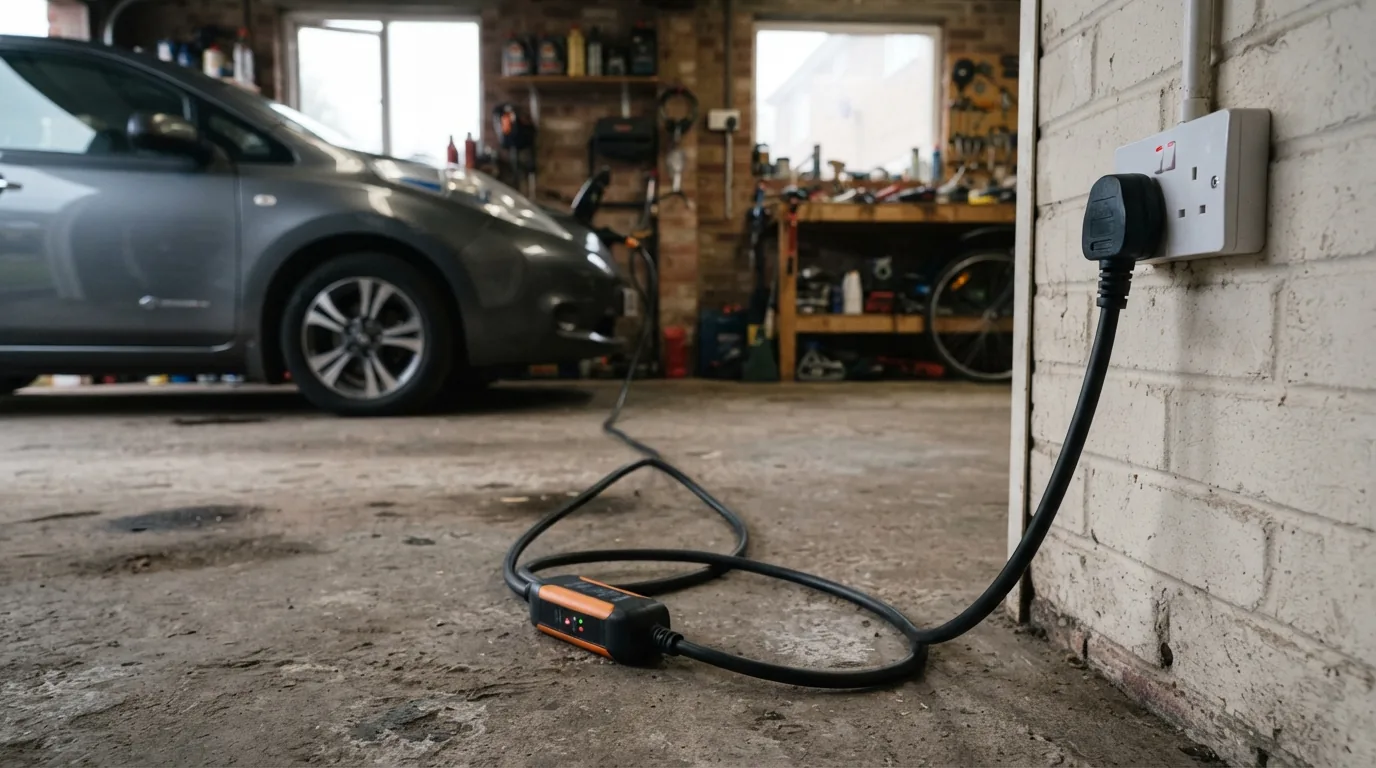
Can You Charge an EV From a Three-Pin Plug in the UK?
Yes, most cars ship with the cable, but speed and safety limits mean it works best for occasional or emergency use