How Do You Pay for Public EV Charging in the UK?
Contactless, network apps, RFID cards and roaming accounts compared on price and convenience
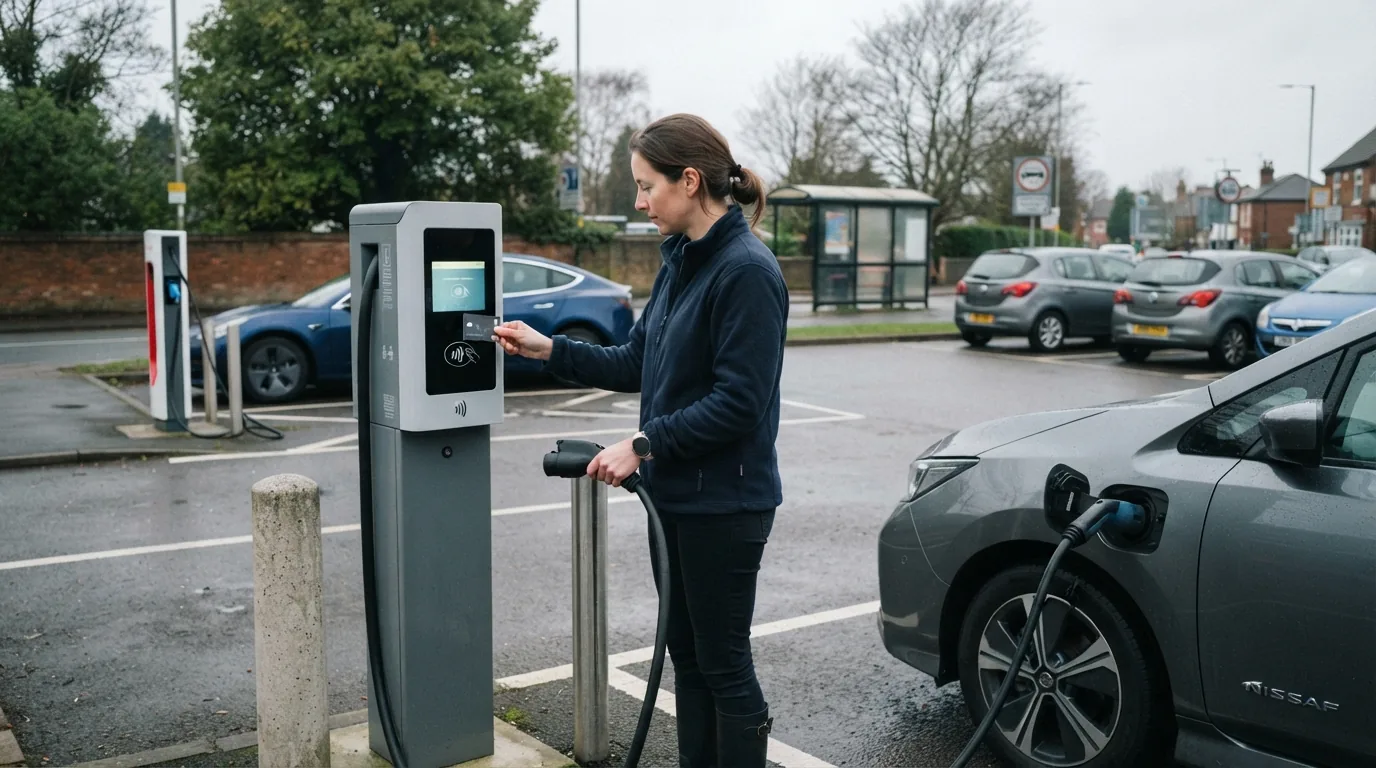
Quick answers
- Since November 2024, contactless payment must be offered on rapid public chargers (50kW+), so you never strictly need an app to charge.
- Contactless is the simplest method but usually the most expensive per kWh.
- Network apps and subscriptions unlock cheaper rates; bp pulse subscribers save around 20% versus contactless.
- A free roaming card such as Octopus Electroverse covers over 950 networks on one account with no monthly fee.
- The £30 to £50 you see on contactless is a temporary pre-authorisation hold, not the cost of your charge.
- Average public prices are around 54p/kWh on slower chargers and 79p/kWh on rapids, so payment method matters most for frequent chargers.
There are four main ways to pay for public EV charging in the UK: tap a contactless card or phone, use the charging network’s own app, tap an RFID card linked to your account, or use a roaming card such as Octopus Electroverse that works across many networks at once. Since 24 November 2024, the Public Charge Point Regulations 2023 require contactless to be accepted on all rapid chargers (50kW and above), so no account or app is ever legally required at those points. Which method you choose matters, because pay-as-you-go contactless is typically the most expensive route per kWh, while apps, subscriptions and free roaming cards from providers tracked by Zapmap can bring the cost down meaningfully.
Can you just tap a contactless card to pay?
Yes, and on most rapid chargers it is now your legal right. The Public Charge Point Regulations 2023 require contactless payment on all new public charge points of 8kW and above, and on all existing public charge points of 50kW and above, from 24 November 2024. You can tap a debit or credit card, Apple Pay, Google Pay, or a contactless smartwatch and start charging straight away, with no account required.
The same regulations require the price to be displayed upfront and fixed before you start, a free 24/7 helpline to be available, and rapid networks (50kW+) to maintain a 99% reliability average. Penalties for non-compliance range from £10,000 to £250,000.
Contactless is the simplest way to pay, but it is usually the most expensive per kWh. Network operators cite installation and card-processing costs as reasons for the premium. The key points:
- Contactless is available at any charger of 8kW and above installed after November 2024, and on all existing 50kW+ points.
- You never need an app or account to use a rapid public charger.
- Any debit or credit card, Apple Pay, Google Pay, or a contactless watch all work.
- Expect to pay the highest available rate per kWh compared with app or subscription options.
How do network apps and accounts work?
Every major charging network offers a free app, and signing up typically unlocks a lower per-kWh rate than the contactless price. You create an account, download the app, and start charging by scanning the charger’s QR code or selecting it within the app. Most apps also let you check charger availability in real time, monitor an active session, and download VAT receipts.
Network apps generally offer cheaper pricing per kWh than contactless, according to Zapmap. For drivers who use one network regularly, the saving adds up quickly. Some networks go further with monthly subscriptions: bp pulse charges £7.85 per month for a plan that saves members around 20% on contactless rates on average, with one month free for new members.
The main limitation is that each app covers only its own network. If you charge at several different operators, you end up managing multiple logins and billing accounts. Subscriptions only make financial sense if you use that specific network often enough to offset the monthly fee.
Whether a subscription pays off depends on where you charge most, so it is worth checking how the best public EV charging networks compare on price and reliability before you commit to one app.
What are RFID cards and roaming cards?
An RFID card is a physical card you register with a network or roaming provider, then tap on the charger’s reader to start a session. The cost goes to your linked account rather than being taken from your bank card directly at the point of charge.
Single-network RFID cards are issued by individual operators and work only on their own chargers. A roaming card works across many networks from one account. The difference matters:
- RFID cards typically arrive within 5 to 7 days of ordering and suit drivers who prefer not to rely on a phone signal or app at the charger.
- Octopus Electroverse gives access to over 950 charging networks across the UK and Europe on a single free card and app, with no monthly fee and no sign-up cost.
- Zapmap Pay works across over 40 UK charging networks from one app or card, also with no separate account needed per network.
A roaming card is especially useful for drivers who mix networks regularly. You get one bill and one login, while still accessing each network’s own rates. Octopus Electroverse and Zapmap Pay both remove the need to create individual accounts with each operator.
Which payment methods does each network accept?
The table below gives a current snapshot. All 50kW+ rapid chargers must accept contactless by law; app and roaming availability is based on published network information (figures vary, verify current data against each operator’s own site).
| Network | Contactless | Own app | RFID/charge card | Roaming (Electroverse / Zapmap Pay) |
|---|---|---|---|---|
| bp pulse | Yes (50kW+ by law) | Yes | Yes | Yes |
| InstaVolt | Yes (50kW+ by law) | Yes | Yes | Yes |
| GRIDSERVE | Yes (50kW+ by law) | Yes | Yes | Yes |
| Osprey | Yes (50kW+ by law) | Yes | Yes | Yes |
| Pod Point | Yes (50kW+ by law) | Yes | Yes | Partial |
| Tesla Supercharger | Yes (50kW+ by law) | Yes (Tesla app) | No | Limited |
| IONITY | Yes (50kW+ by law) | Yes | Yes | Yes |
| Shell Recharge | Yes (50kW+ by law) | Yes | Yes | Yes |
| ubitricity (on-street) | Limited | Yes (via app/QR) | Yes | Partial |
Note: on-street and lamp-post chargers such as ubitricity often operate via a QR-code or dedicated app flow rather than a conventional contactless terminal, so contactless availability at these points varies by installation.
What is a pre-authorisation hold and how much does it cost?
When you pay by contactless at a public charger, the network places a temporary pre-authorisation hold on your card before the session starts, typically around £30 to £50. This is a standard check that you have enough funds available; it is not the actual cost of your charge.
First-time EV drivers sometimes see this hold appear on their banking app and assume they have been charged the full amount. They have not. Once your session ends, only the real cost is taken and the hold is released, usually within 3 to 5 working days, though it can occasionally take up to 10 working days depending on your bank. The details to remember:
- The hold amount (typically £30 to £50) is a security check, not the charge cost.
- The actual amount billed will almost always be less than the hold, unless you have a very large battery and an unusually long charge.
- Release timing varies by bank; using a credit card means the hold does not immediately affect your current account balance.
- App and account payments generally take the exact session amount rather than holding a round-up sum, so you avoid the hold entirely.
If the hold causes concern, switching to the network’s app or creating a free account resolves it for future sessions.
What is the cheapest way to pay for public charging?
The honest answer is that it depends how often you charge publicly and which networks you use. As of April 2026, the weighted-average pay-as-you-go price was around 54p/kWh on 3 to 49kW chargers and around 79p/kWh on 50kW+ rapid and ultra-rapid chargers, according to the Zapmap Price Index.
Against those benchmarks:
- Occasional users who charge publicly a few times a year will find contactless simplest; the price premium is real but the absolute cost is low across a small number of sessions.
- Regular users of one network gain most from its app or subscription. bp pulse subscribers save around 20% on contactless rates, and the £7.85 monthly fee breaks even relatively quickly for drivers who charge on the network frequently.
- Multi-network drivers benefit most from a free roaming card. Octopus Electroverse carries no monthly fee and accesses over 950 networks, so it brings breadth without extra cost.
The contactless premium is not trivial at motorway rapid speeds. At 79p/kWh contactless, a 50kWh top-up costs around £39.50. A subscription or roaming account that shaves 20% off that saves roughly £8 per session.
Before you commit to one app or subscription, it pays to know where you will actually charge most. Our guide to the best public EV charging networks compares them on price, speed and reliability so you can choose the payment method that suits your routes. For a broader overview of how public charging works in the UK, see our public charging guide.
Useful Resources
GOV.UK Public Charge Point Regulations 2023 guidance https://www.gov.uk/government/publications/the-public-charge-point-regulations-2023-guidance/public-charge-point-regulations-2023-guidance
Zapmap Charging Price Index https://www.zapmap.com/ev-stats/charging-price-index
Octopus Electroverse https://electroverse.com/
How we test and where our numbers come from
Range figures are official WLTP combined values taken from manufacturer UK specification pages, with real-world estimates drawn from independent comparative testing. Prices are UK list prices at the time of the latest update. Tax, grant and charging-scheme figures come from GOV.UK and HMRC publications. We re-check every guide when pricing, specification or policy changes. Last checked 11 August 2026.
Frequently asked questions
Do you need an app to charge an electric car in public?
No. Since 24 November 2024, rapid chargers (50kW and above) must accept contactless payment under the Public Charge Point Regulations 2023, so you can tap a card or phone with no account whatsoever. Apps are entirely optional and are mainly used to access cheaper per-kWh rates or to monitor a session.
Can you pay for public EV charging with a contactless card?
Yes. Most rapid and ultra-rapid chargers now accept contactless debit and credit cards, Apple Pay and Google Pay. It is the quickest and most convenient method, particularly for first-time or occasional users, but it is usually the most expensive per kWh compared with app or subscription pricing.
What is the cheapest way to pay for public EV charging?
For regular users of one network, its app or monthly subscription usually beats contactless, with savings of around 20% possible at networks such as bp pulse. For drivers who mix networks, a free roaming card such as Octopus Electroverse avoids per-network sign-ups with no monthly fee. Occasional users can use contactless without significant financial penalty.
Why does a public charger hold £30 to £50 on my card?
That is a pre-authorisation hold placed before charging starts to confirm you have sufficient funds. It is not the cost of your charge. Once the session ends, only the actual cost is taken and the hold is released, typically within 3 to 5 working days, though it can occasionally take up to 10 working days depending on your bank.
What is an RFID card for EV charging?
An RFID card is a physical card you register with a charging network or roaming provider, then tap on the charger's reader to start a session. The charge is billed to your linked account rather than taken directly from your bank card at the point of charge. It suits drivers who prefer not to use a phone app, and cards typically arrive within 5 to 7 days of ordering.
Sources and further reading
- gov.ukGOV.UKPrimary source referenced in this article.

EV Compared
The EV Compared editorial team tracks the UK electric vehicle market full time: new model launches, list prices, WLTP and real-world range, public charging tariffs and the tax rules that decide what an EV actually costs to run. Every guide is checked against manufacturer specifications and official GOV.UK figures, and updated whenever the numbers move.
Related reading
View all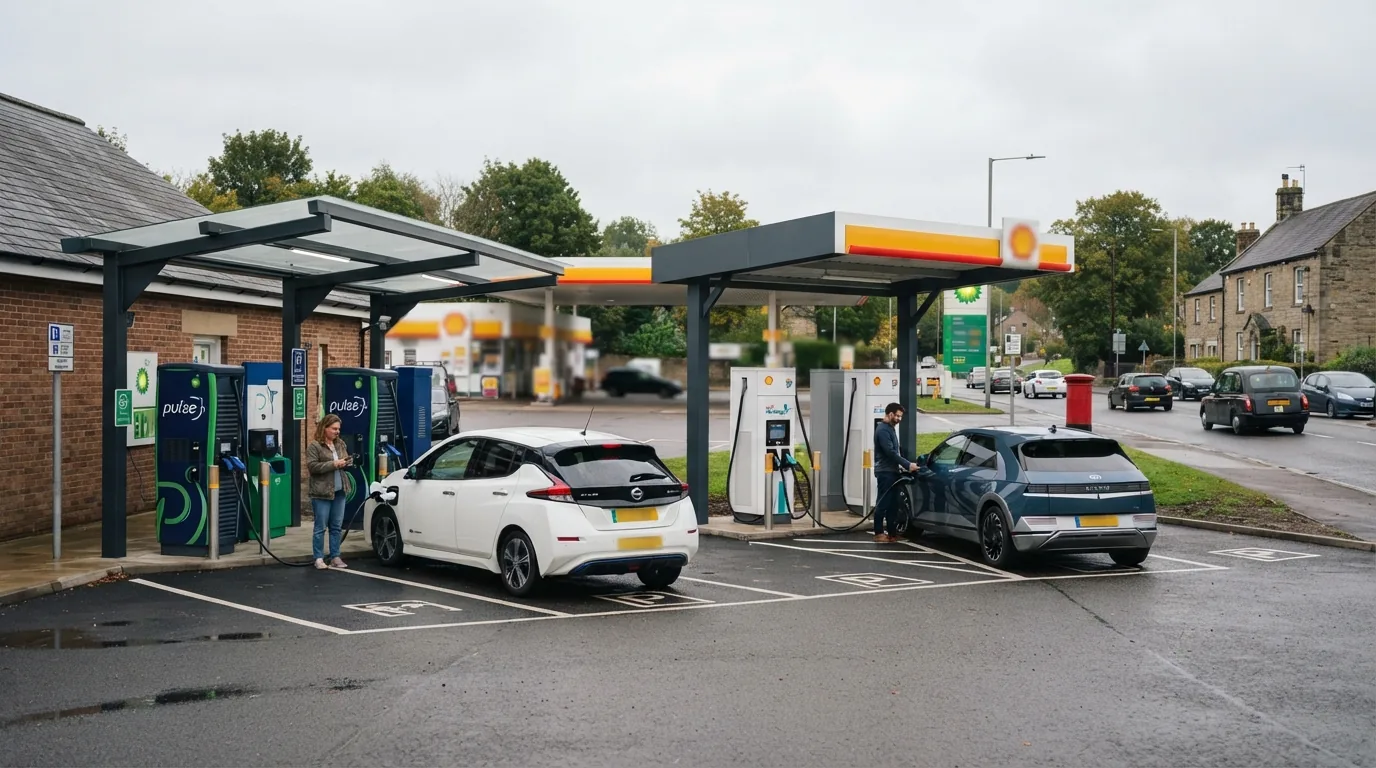
BP Pulse vs Shell Recharge: Which UK Network Wins?
Two of the UK's biggest charging networks compared on price, reliability and which type of driver each suits
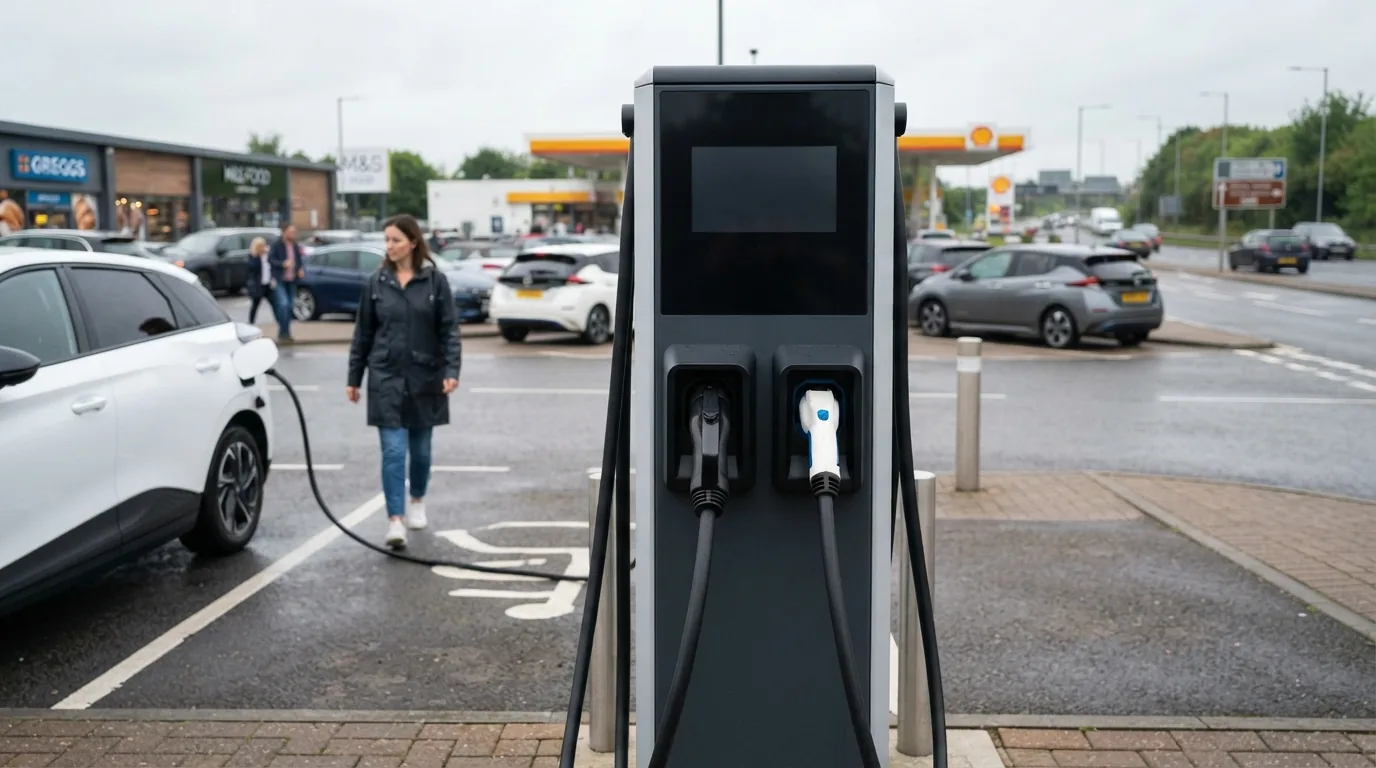
Can You Charge Any EV at Any Public Charger in the UK?
Why almost any new EV works at almost any UK public charger, and the two exceptions you need to know
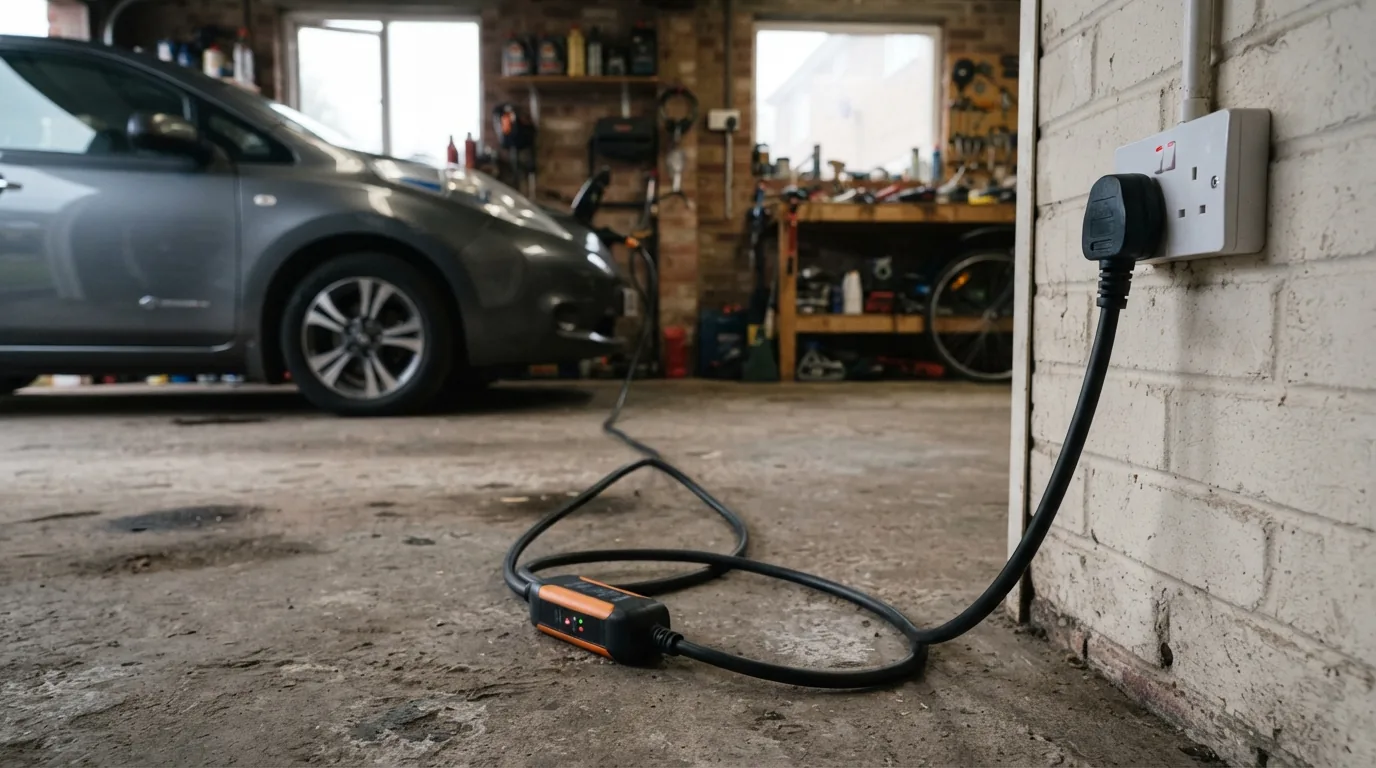
Can You Charge an EV From a Three-Pin Plug in the UK?
Yes, most cars ship with the cable, but speed and safety limits mean it works best for occasional or emergency use