What the 2026 ZEV Mandate Means for Car Buyers
33% of new cars must be zero-emission this year -- and the mechanism that enforces that target is directly changing prices, deals and model availability
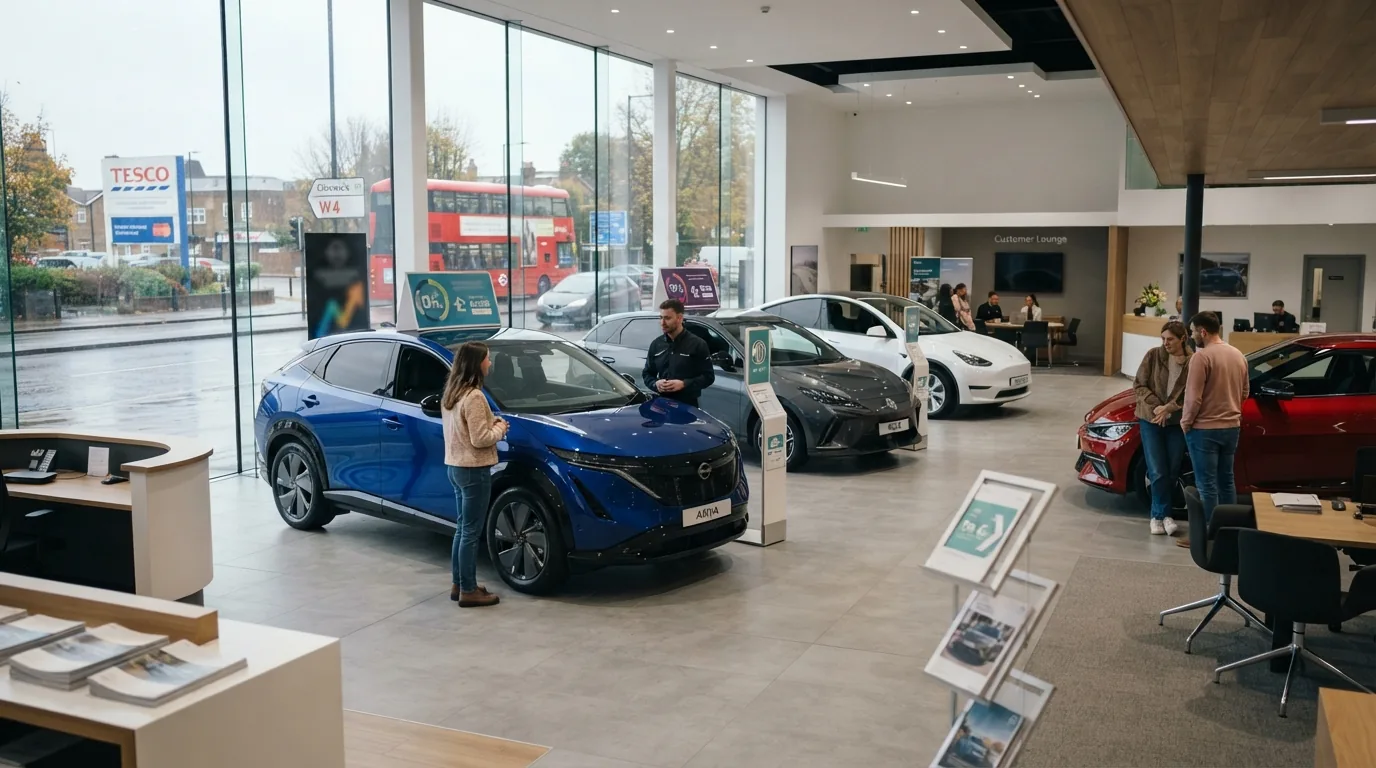
Quick answers
- The Zero Emission Vehicle (ZEV) mandate is a legal mechanism requiring car manufacturers to sell a specific percentage of electric cars in the UK each year. In 2026, that percentage is 33% -- one in three new cars sold must be zero-emission.
- What exactly is the ZEV mandate: The ZEV mandate, introduced by the UK government and operative from January 2024, requires every manufacturer selling cars in the UK to meet escalating annual targets for zero-emission vehicle sales.
- How does the ZEV mandate affect EV buyers: For buyers considering electric cars, the mandate is largely positive.
- This is the less-discussed consequence of the mandate: it is also changing what petrol cars cost, in some cases making them more expensive.
- The expectation from most analysts is that EV prices in the UK will continue to converge toward equivalent petrol prices over the mandate period, with the gap narrowing most quickly at the volume end of the market.
- Manufacturers can also: - Carry forward excess ZEV credits from previous years (if they overperformed earlier) - Trade or purchase ZEV credits from other manufacturers who have surplus - Apply a small "borrowing" allowance against future years (subject to conditions)
The Zero Emission Vehicle (ZEV) mandate is a legal mechanism requiring car manufacturers to sell a specific percentage of electric cars in the UK each year. In 2026, that percentage is 33% — one in three new cars sold must be zero-emission. The fine for falling short is £15,000 per excess petrol or diesel car sold. That financial pressure is working its way through the market in ways that directly affect what buyers pay, what deals are available and — less obviously — what new petrol cars now cost.
If you are in the market for any kind of new car in 2026, understanding the ZEV mandate is useful.
What exactly is the ZEV mandate?
The ZEV mandate, introduced by the UK government and operative from January 2024, requires every manufacturer selling cars in the UK to meet escalating annual targets for zero-emission vehicle sales. The targets are set as a percentage of each manufacturer’s total new-car registrations.
| Year | ZEV target (cars) | ZEV target (vans) |
|---|---|---|
| 2024 | 22% | 10% |
| 2025 | 28% | 16% |
| 2026 | 33% | 24% |
| 2027 | 38% | 30% |
| 2028 | 52% | 35% |
| 2030 | 80% | 70% |
| 2035 | 100% | 100% |
The fine for missing the target is £15,000 per excess petrol or diesel car sold (cars that take the manufacturer’s ZEV share below the required percentage). Manufacturers can carry forward surplus credits from years when they exceeded the target, or trade credits with other manufacturers.
The mandate applies to each manufacturer’s UK sales individually. A brand that sells 50,000 cars in the UK in 2026 must sell at least 16,500 of them as BEVs. If it sells only 12,000 BEVs and 38,000 petrol/diesel models, it owes a fine on the excess 4,500 petrol/diesel cars — roughly £67.5 million.
How does the ZEV mandate affect EV buyers?
For buyers considering electric cars, the mandate is largely positive. It creates powerful incentives for manufacturers to make their EV ranges attractive:
Better EV deals. Manufacturers who are struggling to hit their ZEV quota will offer incentives — finance rate cuts, deposit contributions, free servicing, enhanced trade-in values — to shift more electric cars. In practice, some brands have been offering effective discounts of £5,000-10,000 on specific EV models to hit their numbers. These are genuine deals, not marketing tricks.
More EV choice. The mandate has accelerated the launch of new EV models in the UK. Manufacturers have brought models forward and expanded their EV ranges to give themselves more volume to work with. The unprecedented number of new EV launches in 2026 is partly a direct consequence.
Lower effective prices. The combination of mandate-driven incentives, a competitive market and the threat of fines has pushed the effective transaction price (what buyers actually pay, after finance deals, bonuses and incentives) below list prices in many segments. The MG4, for example, has been available with significant deposit contributions; the Volkswagen ID.3 with attractive 0% finance deals.
How does the ZEV mandate affect petrol car buyers?
This is the less-discussed consequence of the mandate: it is also changing what petrol cars cost, in some cases making them more expensive.
Manufacturers who are close to their ZEV quota limit face a choice: sell fewer petrol cars to avoid exceeding their allowed ratio, or pay fines. Several manufacturers have responded by:
Raising petrol car prices. If a petrol car generates less volume at a higher price, this helps reduce the number of petrol registrations while maintaining revenue. Volkswagen’s UK sales director publicly confirmed that the ZEV mandate would push ICE car prices up.
“Rationing” petrol models. Some manufacturers are limiting the allocation of petrol models to UK dealers, creating waiting lists and reducing the negotiating power of buyers. Reports in the motoring press from late 2025 and early 2026 described difficulties in ordering certain popular petrol models, partly attributable to manufacturers managing their ZEV ratios.
Removing discounts on petrol cars. Historically, manufacturers’ retail finance divisions offered competitive deals across the full range. In 2026, the most generous finance offers are concentrated on EV models. Petrol buyers finding that the deals are less attractive than they expected are experiencing a real market shift.
For petrol buyers, the practical advice is to be alert to these dynamics, shop around and not assume that any particular deal or availability is permanent.
Will the mandate drive down EV prices long-term?
The mandate is designed to accelerate EV adoption. Whether it will drive prices down long-term depends on a number of factors:
Battery costs. The fundamental driver of EV prices is battery cost. Battery prices have fallen consistently for a decade and are expected to continue doing so. CATL and BYD are both targeting sub-$100/kWh cell costs in 2026. As battery costs fall, EV prices can fall while maintaining manufacturer margins.
Manufacturing scale. Higher EV production volumes reduce the per-unit cost. The mandate, by guaranteeing demand, helps manufacturers justify the capital investment in dedicated EV production facilities.
Competition. The influx of Chinese manufacturers with lower cost structures (BYD, MG, Leapmotor) is forcing European brands to compete on price. This competitive pressure was accelerating before the mandate but is amplified by it.
The expectation from most analysts is that EV prices in the UK will continue to converge toward equivalent petrol prices over the mandate period, with the gap narrowing most quickly at the volume end of the market.
What do manufacturers do if they miss the target?
They pay a fine. The fine is £15,000 per excess ICE car — meaning per car that takes the manufacturer’s ZEV percentage below the required 33% in 2026.
Manufacturers can also:
- Carry forward excess ZEV credits from previous years (if they overperformed earlier)
- Trade or purchase ZEV credits from other manufacturers who have surplus
- Apply a small “borrowing” allowance against future years (subject to conditions)
Most dealers and analysts surveyed ahead of 2026 expected the industry as a whole to broadly meet the target, though some individual manufacturers may fall short and use the credit-trading mechanism to comply.
Tesla, as a pure-EV manufacturer, accumulates excess credits it can sell to manufacturers who are short. This credit market is legal and creates a direct financial incentive for pure-EV manufacturers to succeed.
Can dealers refuse to sell you a petrol car because of the mandate?
Dealers themselves do not bear the mandate compliance obligation — that falls on manufacturers. A dealer can sell any car on their stock list. However, if a manufacturer has restricted the allocation of petrol models to a specific dealer network, the dealer simply will not have the car available. That is not a refusal — there is genuinely no car to sell.
In practice, very popular petrol models from brands close to their ZEV limit may have longer waiting times or reduced discounts in 2026. The situation varies substantially by brand.
What is the most common myth about the ZEV mandate?
The most common misconception is that the mandate forces individual buyers to buy an electric car. It does not. The mandate falls entirely on manufacturers, not on consumers. You remain free to buy any new petrol, hybrid or electric car that is legally on sale in the UK. The mandate shapes what incentives are available and, indirectly, what petrol cars cost — but it does not restrict what you can buy.
A related misconception is that the mandate will end new petrol car sales before 2030. It will not. New pure-petrol cars will remain legally available until at least 2030, and potentially some hybrid models until 2035. What the mandate does is gradually shift the economics to make EVs more attractive relative to petrol.
What should you do next?
For a guide to the grants and financial incentives available on electric cars in 2026, including the Electric Car Grant and salary sacrifice schemes, see our grants, policy and legislation guide. For the best-value EVs that qualify for current incentives, see our value EVs that qualify for grants page.
The ZEV mandate is a market-shaping mechanism, not a consumer restriction. Understanding how it works helps you identify when to negotiate, where the best deals are and how to use it to your advantage as a buyer in 2026.
How we test and where our numbers come from
Range figures are official WLTP combined values taken from manufacturer UK specification pages, with real-world estimates drawn from independent comparative testing. Prices are UK list prices at the time of the latest update. Tax, grant and charging-scheme figures come from GOV.UK and HMRC publications. We re-check every guide when pricing, specification or policy changes. Last checked 11 August 2026.
Frequently asked questions
What exactly is the ZEV mandate?
The ZEV mandate, introduced by the UK government and operative from January 2024, requires every manufacturer selling cars in the UK to meet escalating annual targets for zero-emission vehicle sales. The targets are set as a percentage of each manufacturer's total new-car registrations.
How does the ZEV mandate affect petrol car buyers?
This is the less-discussed consequence of the mandate: it is also changing what petrol cars cost, in some cases making them more expensive.
Will the mandate drive down EV prices long-term?
The expectation from most analysts is that EV prices in the UK will continue to converge toward equivalent petrol prices over the mandate period, with the gap narrowing most quickly at the volume end of the market.
What do manufacturers do if they miss the target?
They pay a fine. The fine is £15,000 per excess ICE car -- meaning per car that takes the manufacturer's ZEV percentage below the required 33% in 2026.
Can dealers refuse to sell you a petrol car because of the mandate?
Dealers themselves do not bear the mandate compliance obligation -- that falls on manufacturers. A dealer can sell any car on their stock list.
Sources and further reading
- gov.ukGOV.UK / SMMT / AutocarPrimary source referenced in this article.

EV Compared
The EV Compared editorial team tracks the UK electric vehicle market full time: new model launches, list prices, WLTP and real-world range, public charging tariffs and the tax rules that decide what an EV actually costs to run. Every guide is checked against manufacturer specifications and official GOV.UK figures, and updated whenever the numbers move.
Related reading
View all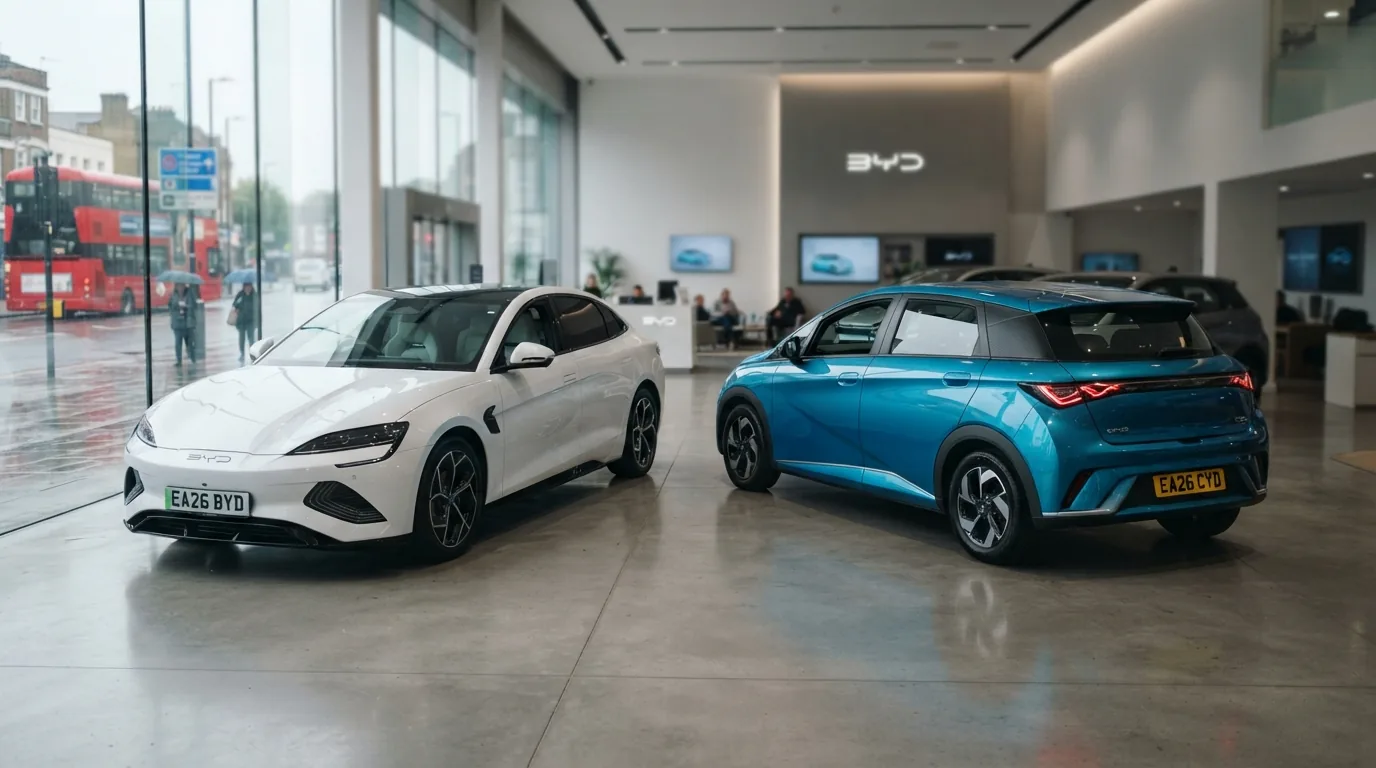
BYD in the UK: Full Model Range and Prices for 2026
From the £18,650 Dolphin Surf to the £47,025 Sealion 7 -- a complete guide to every BYD you can buy in Britain right now
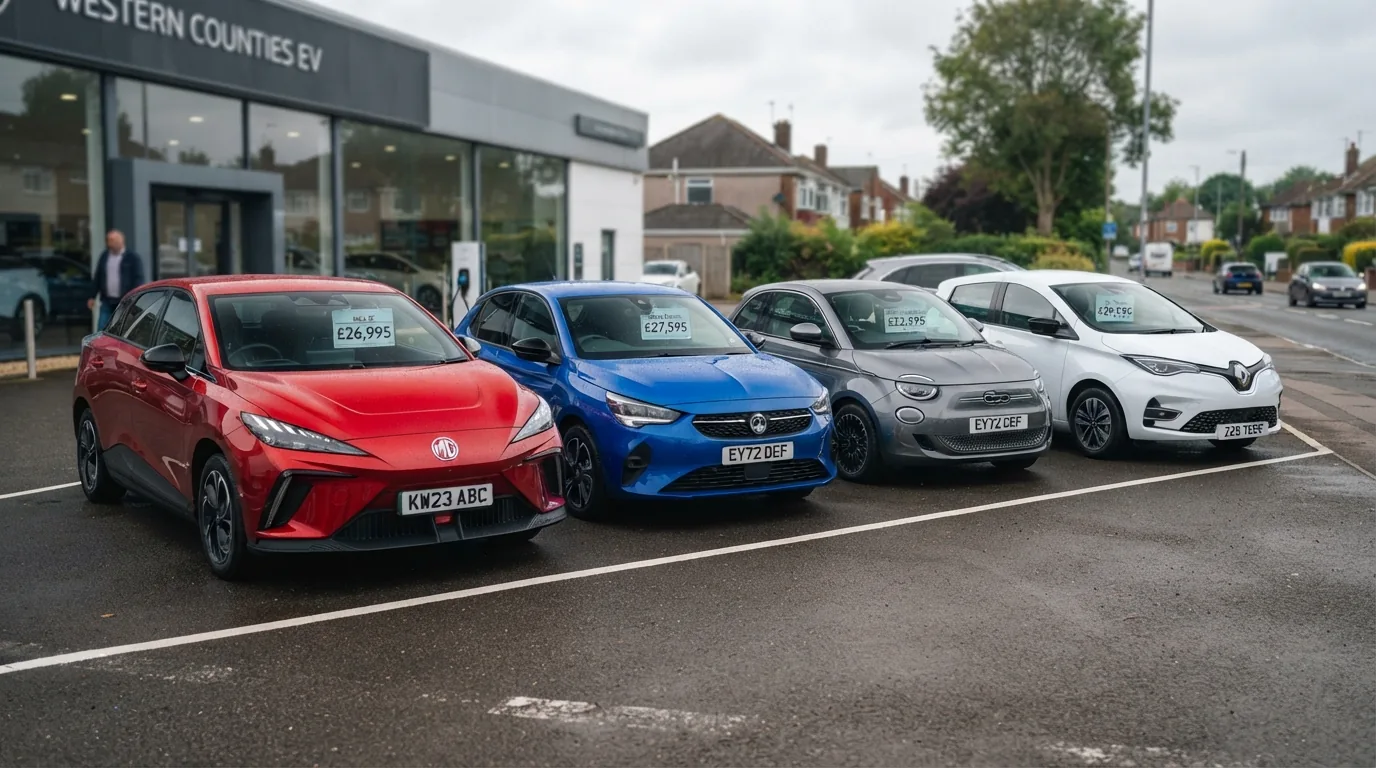
Cheapest New EVs You Can Buy in the UK Right Now
From £14,495 to £30,000: the new electric cars that offer the most genuine value in the current market
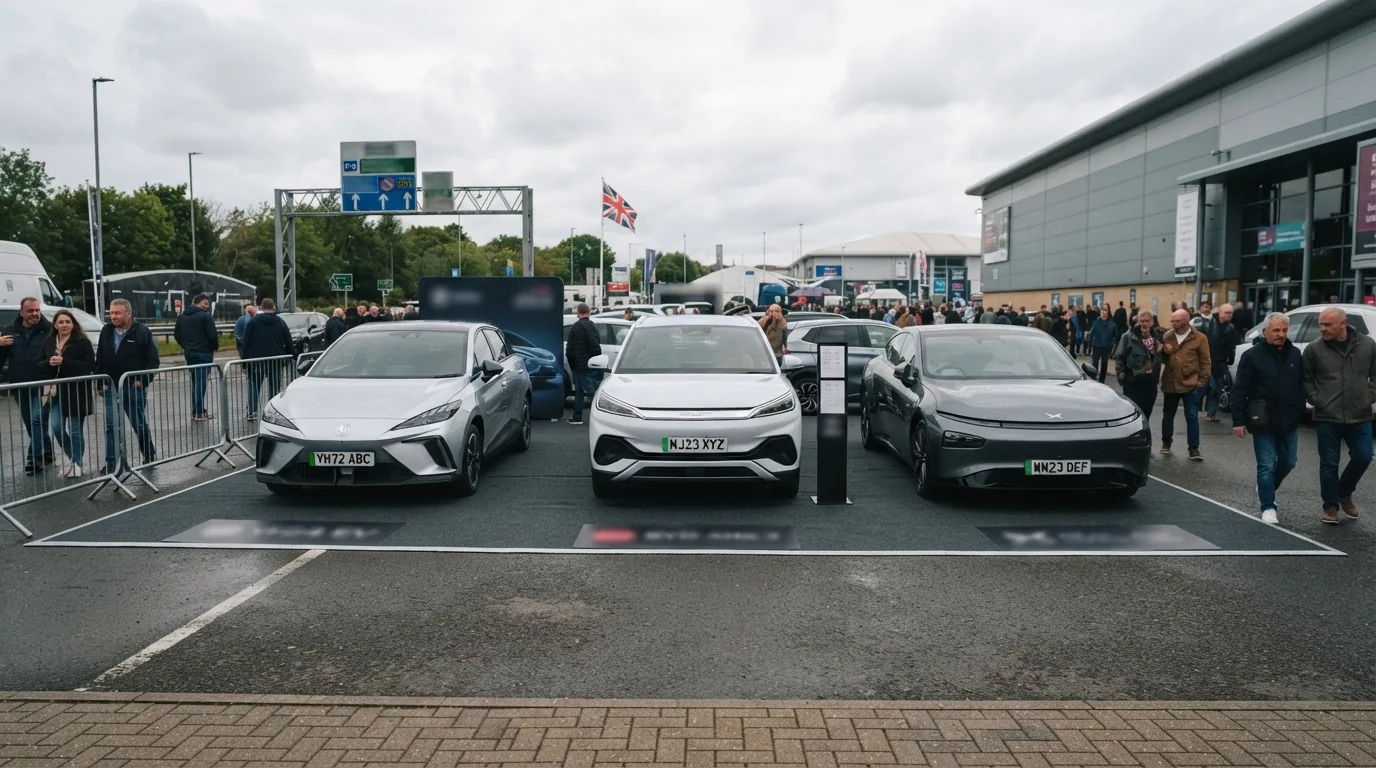
Chinese EV Brands in the UK: Who Is Here and Are They Any Good?
BYD, MG, Xpeng, NIO, Leapmotor and Jaecoo are all selling in Britain -- here is an honest assessment of what each offers