Are Used Electric Cars a Good Buy in the UK in 2026?
Prices are down, supply is up, and running costs are competitive. Here is a clear-eyed assessment of whether a used EV makes financial sense for UK drivers in 2026
Quick answers
- Yes, used electric cars are a good buy for most UK drivers in 2026, but the case is stronger for some buyers than others. The market has shifted in buyers' favour: supply is at record levels, prices have fallen sharply, and the running cost advantage over petrol is real.
- What has happened to used EV prices: Used electric car prices have fallen significantly over the past three years.
- How do the running costs stack up: Running costs are where the used EV case becomes compelling for many UK drivers.
- What are the risks: The single largest specific risk in a used EV purchase is buying a car with a degraded battery that does not deliver the range you expect.
- Are used EVs reliable: The areas where issues do occur tend to be software glitches (mostly manageable via updates), minor electrical components such as lane-assist cameras or steering controls, and in older models, the battery management system.
- What is the honest verdict: A used electric car is a good buy in 2026 for the majority of UK drivers who have access to home charging and drive regular, predictable routes.
Yes, used electric cars are a good buy for most UK drivers in 2026, but the case is stronger for some buyers than others. The market has shifted in buyers’ favour: supply is at record levels, prices have fallen sharply, and the running cost advantage over petrol is real. The risks are manageable if you know what to check.
Here is the full picture.
What has happened to used EV prices?
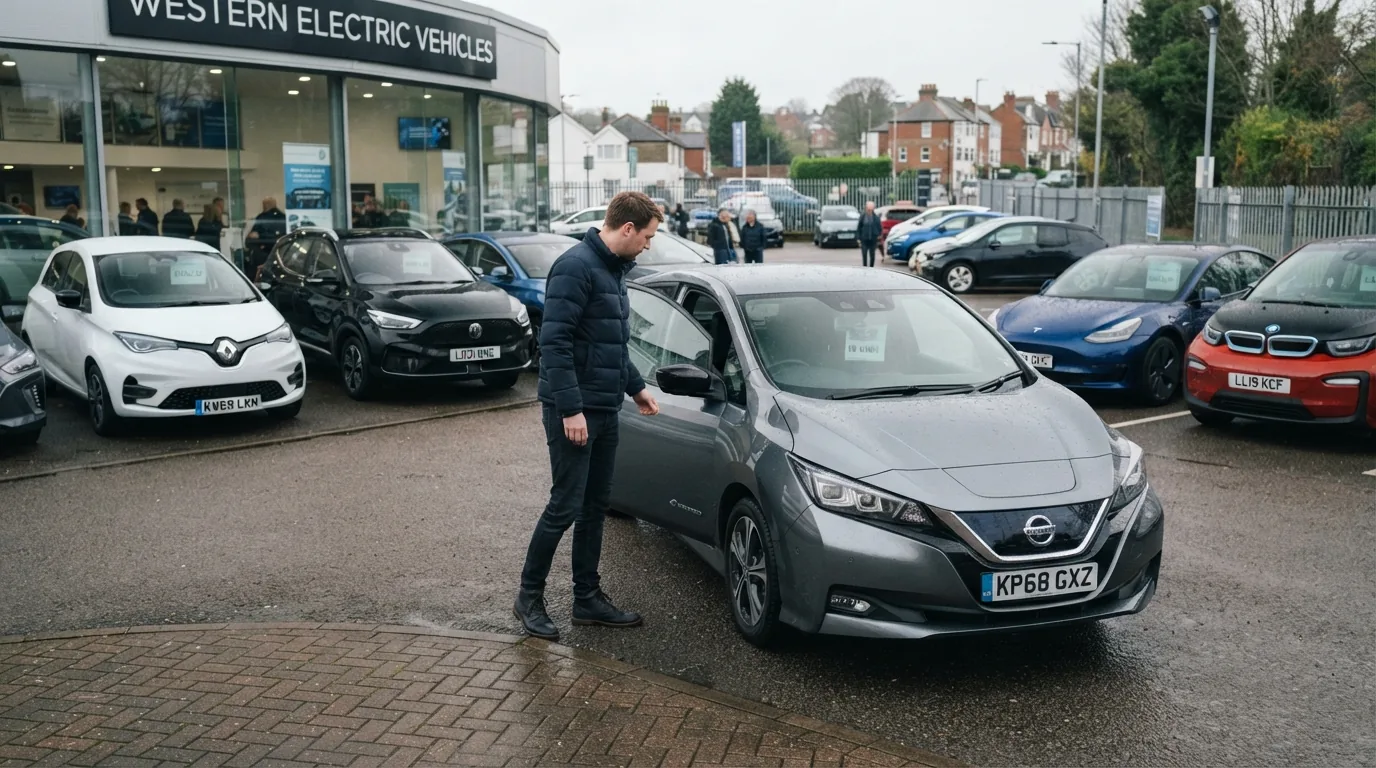
Used electric car prices have fallen significantly over the past three years. Average asking prices on Auto Trader dropped roughly 10% year-on-year in early 2026, continuing a decline that started in 2022 when large volumes of lease returns began hitting the market.
The headline figures: a car that cost £38,000 new in 2022 can frequently be found for £20,000 to £24,000 in 2026. At the budget end, early Nissan Leafs and older Renault Zoes start from around £5,000. Used Tesla Model 3s, which seemed aspirational only two years ago, are now routinely available for under £22,000.
Supply is the main driver. Used BEV listings have grown around 76% year-on-year as ex-fleet and salary-sacrifice vehicles return to market. The ZEV mandate, which requires manufacturers to sell rising proportions of zero-emission new cars, has also prompted aggressive discounting on new EVs, which in turn drags down used values.
How do the running costs stack up?
Running costs are where the used EV case becomes compelling for many UK drivers.
| Cost | Used EV | Equivalent used petrol car |
|---|---|---|
| Home charging (p/mile) | 2p to 4p (off-peak EV tariff) | N/A |
| Public AC charging (p/mile) | 5p to 8p | N/A |
| Petrol (p/mile at 40mpg) | N/A | 14p to 18p |
| Annual service | £100 to £200 (no oil, no belt) | £250 to £500+ |
| Road tax (VED) | £0 to £10 per year (pre-April 2025 registrations); £195 (newer) | £185 to £595 depending on emissions |
| Brake pads (typical lifespan) | Much longer due to regenerative braking | Standard replacement cycle |
Note: VED changed in April 2025. EVs registered on or after 1 April 2025 pay the standard £195 annual rate. Older EVs may still pay £0 or a lower rate depending on their registration date and any luxury car supplement that applies.
A driver covering 10,000 miles per year who home-charges on an EV-optimised tariff at 8p per kWh (typical off-peak rate on Octopus Go or similar) typically pays around £300 to £400 per year in energy costs. An equivalent 40mpg petrol car at 140p per litre costs roughly £1,600 per year. That is a saving of around £1,200 per year in fuel alone, before considering the service cost difference.
What are the risks?
Battery degradation
The single largest specific risk in a used EV purchase is buying a car with a degraded battery that does not deliver the range you expect. A battery at 75% state of health (SoH) means 25% less range than when new. This is manageable if you know about it and have priced accordingly, but it is a nasty surprise if you did not check.
Always obtain a battery health report before purchase. Independent checks cost £60 to £100 and are money very well spent. See our guide on how to check an EV battery before buying for step-by-step methods.
Technology obsolescence
An EV bought in 2018 has a more limited charging network compatibility, slower charging speeds and older software than a 2022 model. This is not a dealbreaker for local driving, but it matters if you plan longer journeys. CHAdeMO connectors, used by older Nissan Leafs, are becoming less common at public chargers as the network standardises on CCS.
Charging access
Used EVs deliver maximum savings when you can home-charge. If you live in a flat without off-street parking and rely entirely on public charging, the economics shift. Public DC rapid charging at 60p to 80p per kWh (typical pod point or Osprey rate in 2026) reduces the fuel cost advantage considerably.
Residual value uncertainty
Used EV prices have already fallen sharply. If you buy today and prices fall further, your asset depreciates faster than expected. The evidence suggests the market is stabilising, particularly for newer models, but there is no guarantee.
Which buyers gain the most?
The case for a used EV is strongest if you:
- Own or can access a driveway or garage for home charging
- Cover a predictable daily distance under 150 miles
- Currently drive a high-emission petrol car and pay a lot in fuel
- Can benefit from an EV-specific electricity tariff (Octopus Go, E.ON Drive, OVO Beyond and similar)
- Are buying a model with a solid reliability and battery longevity record
The case is weaker if you:
- Have no access to home charging
- Regularly drive very long distances in a single day
- Are considering a very early model (pre-2017) with air-cooled battery and limited charging compatibility
- Are buying purely for investment, expecting to sell for a profit in two years
Are used EVs reliable?
Generally, yes. Warranty data published in early 2026 by Warranty Solutions Group showed the Nissan Leaf had the lowest warranty claim rate among used EVs at 1.52%. The Audi e-tron came second at 3.23%. Compared to equivalent petrol cars, EVs have fewer mechanical components to fail and lower servicing complexity.
The areas where issues do occur tend to be software glitches (mostly manageable via updates), minor electrical components such as lane-assist cameras or steering controls, and in older models, the battery management system. None of these are reasons to avoid EVs, but they are reasons to buy from a reputable dealer with a warranty rather than from a private seller with no cover.
What is the honest verdict?
A used electric car is a good buy in 2026 for the majority of UK drivers who have access to home charging and drive regular, predictable routes. The purchase price is lower than at any point in the EV era, running costs are demonstrably cheaper than petrol, and the technology on even three to four year old models is broadly mature and capable.
The risks are real but manageable. Get the battery checked, buy from a dealer with a warranty where possible, and choose a model with a track record. Do those things and a used EV is not just a good buy, it is one of the most cost-effective motoring decisions available to a UK driver in 2026.
Where to next?
Browse the best used electric cars ranked by value, reliability and use case, or return to the used EVs hub for a full guide to the buying process.
How we test and where our numbers come from
Range figures are official WLTP combined values taken from manufacturer UK specification pages, with real-world estimates drawn from independent comparative testing. Prices are UK list prices at the time of the latest update. Tax, grant and charging-scheme figures come from GOV.UK and HMRC publications. We re-check every guide when pricing, specification or policy changes. Last checked 11 August 2026.
Frequently asked questions
What has happened to used EV prices?
Used electric car prices have fallen significantly over the past three years. Average asking prices on Auto Trader dropped roughly 10% year-on-year in early 2026, continuing a decline that started in 2022 when large volumes of lease returns began hitting the market.
How do the running costs stack up?
Running costs are where the used EV case becomes compelling for many UK drivers.
What are the risks?
The single largest specific risk in a used EV purchase is buying a car with a degraded battery that does not deliver the range you expect. A battery at 75% state of health (SoH) means 25% less range than when new.
Are used EVs reliable?
Generally, yes. Warranty data published in early 2026 by Warranty Solutions Group showed the Nissan Leaf had the lowest warranty claim rate among used EVs at 1.52%.
What is the honest verdict?
A used electric car is a good buy in 2026 for the majority of UK drivers who have access to home charging and drive regular, predictable routes.

EV Compared
The EV Compared editorial team tracks the UK electric vehicle market full time: new model launches, list prices, WLTP and real-world range, public charging tariffs and the tax rules that decide what an EV actually costs to run. Every guide is checked against manufacturer specifications and official GOV.UK figures, and updated whenever the numbers move.
Related reading
View all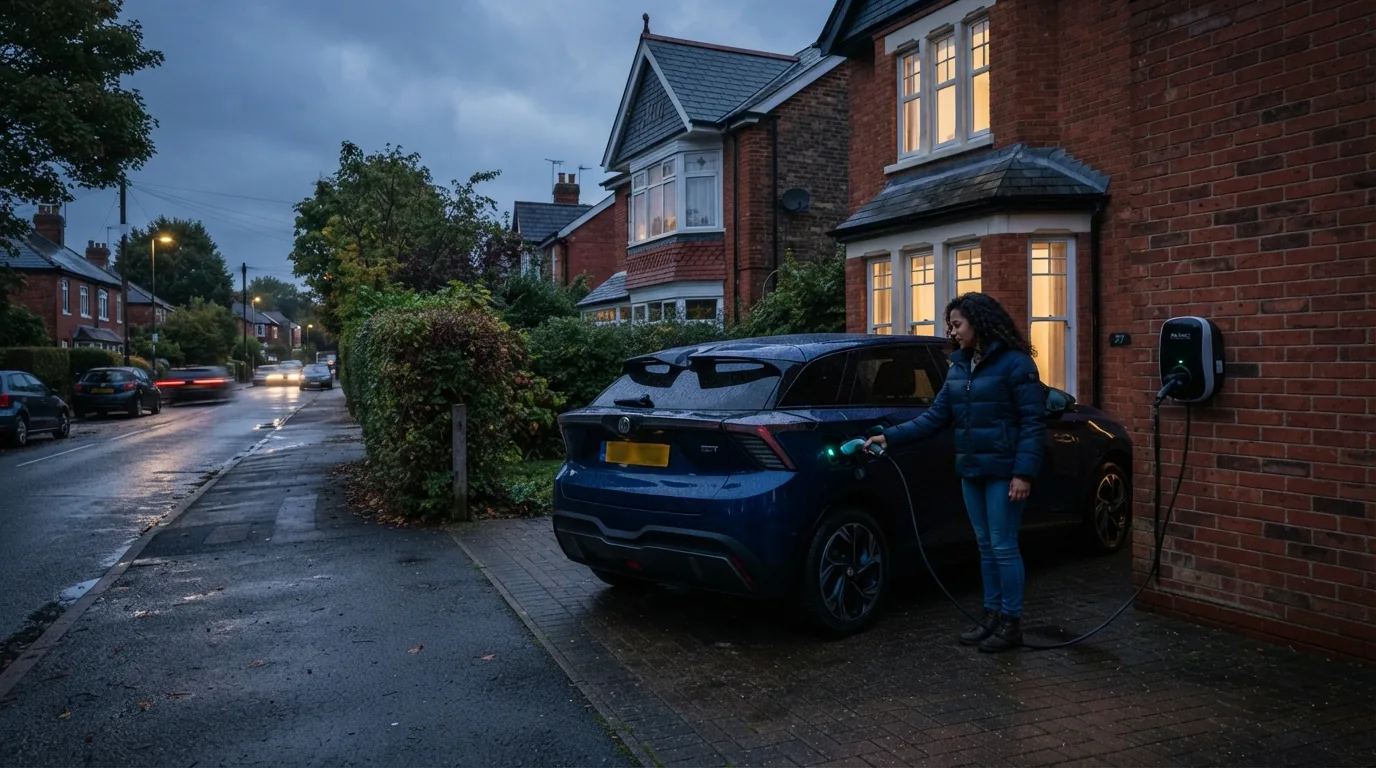
What Are the Biggest Myths About Switching to an EV?
The claims that put UK drivers off going electric, and what the evidence actually says
Should You Buy an EV in 2026 or Wait for Cheaper Models?
An honest look at where EV prices are heading and whether the wait is worth it for UK buyers
Buying and Owning an Electric Car in the UK: The Complete 2026 Guide
Everything you need to know about costs, charging, depreciation and day-to-day life with an EV