Buying a Used Electric Car in the UK: The Complete 2026 Guide
Everything you need to know about the used EV market, from what to check to which models to shortlist
Quick answers
- The used electric car market in Britain has changed enormously in two years. Record numbers of cars are coming off lease, prices have fallen sharply, and competition has never been greater.
- That said, prices are beginning to stabilise for newer cars.
- You can check SoH via: - The manufacturer's own app (Tesla, Kia, Hyundai, and others show this clearly) - A third-party OBD2 diagnostic tool such as LeafSpy (for Nissan Leaf) or Car Scanner - An approved pre-purchase inspection from the AA, RAC or a specialist EV technician (typically £100 to £150) - A dealer-issued battery health certificate (required by many approved used schemes)
- Our full recommendations are on the best used electric cars page, but here is a brief orientation by buyer type.
- What about depreciation: Used EV depreciation has been steeper than for equivalent petrol cars over the past three years, but the gap is narrowing.
- Should you buy from a dealer or privately: Buying from a franchised dealer or approved used scheme gives you consumer protections under the Consumer Rights Act 2015.
The used electric car market in Britain has changed enormously in two years. Record numbers of cars are coming off lease, prices have fallen sharply, and competition has never been greater. If you have been watching from the sidelines, 2026 may be the best opportunity you get.
This guide covers what the market looks like right now, what to check before you sign anything, and where to start your shortlist.
Is now a good time to buy a used electric car in the UK?
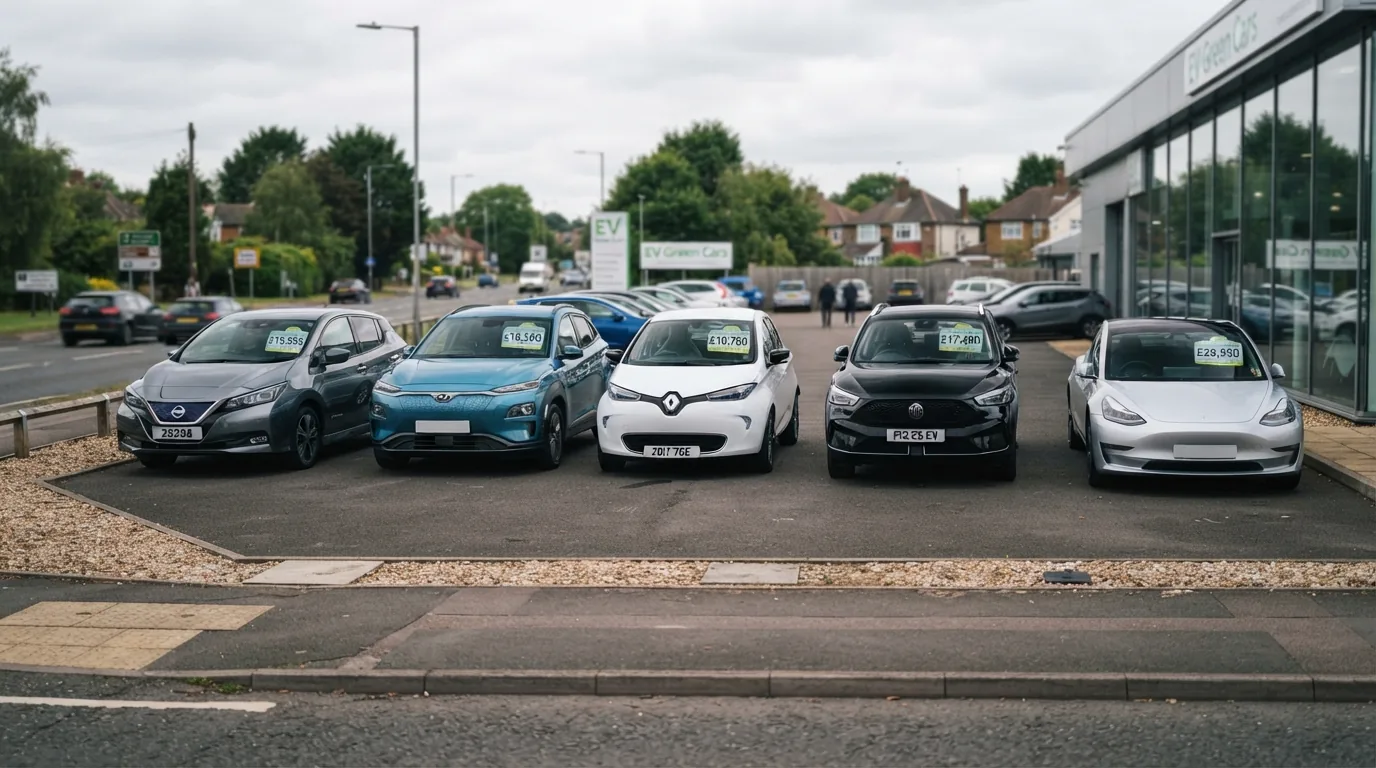
Yes, and the numbers back that up. Used battery-electric vehicle (BEV) transactions in the UK rose 45.7% in 2025 to a record 274,815 sales, according to SMMT data. In Q1 2026 alone, used BEV transactions surged a further 32% year-on-year to 86,943 units.
Supply is a key reason. Used EV listings have grown around 76% year-on-year, driven largely by lease returns from fleets and salary-sacrifice schemes that took up large numbers of EVs in 2021 and 2022. More supply and slowing demand have pushed prices down: average used EV prices on Auto Trader fell roughly 10% year-on-year in early 2026, with many models now available for under £20,000 that would have cost £35,000 or more when new.
That said, prices are beginning to stabilise for newer cars. Very recent examples (under 12 months old) are now holding value better than they did in 2023 and 2024. If you are waiting for further big falls, the easy gains may already have been taken.
What does the used EV market look like in 2026?
| Segment | Typical used price range | Common models |
|---|---|---|
| Budget (3-8 years old) | £4,000 to £12,000 | Nissan Leaf (24/30kWh), Renault Zoe (older), BMW i3 |
| Mid-range | £12,000 to £20,000 | Renault Zoe (52kWh), MG4, Volkswagen ID.3, Kia e-Niro |
| Upper-mid | £20,000 to £30,000 | Tesla Model 3, Hyundai Ioniq 5, Kia EV6, Polestar 2 |
| Premium | £30,000 to £50,000 | Tesla Model Y, Audi e-tron, Jaguar I-Pace, BMW iX |
Prices across all segments have eased substantially. A 2022 Tesla Model 3 Long Range that might have cost £45,000 new can be found for around £25,000 to £30,000 today. Early Nissan Leafs with smaller batteries are available from under £5,000 for buyers who simply need cheap, reliable short-range transport.
What should you check before buying a used electric car?
1. Battery state of health (SoH)
This is the single most important check. Battery SoH measures what percentage of the original usable capacity remains. Modern EV batteries degrade slowly, typically around 2% per year in normal use, but heavy fast-charging, extreme temperatures and poor maintenance history can accelerate decline.
A car with 90% or more SoH is in excellent condition. Below 80% the car deserves a significant discount. Below 70% is generally considered the end of the battery’s viable automotive life, and range will be materially compromised.
You can check SoH via:
- The manufacturer’s own app (Tesla, Kia, Hyundai, and others show this clearly)
- A third-party OBD2 diagnostic tool such as LeafSpy (for Nissan Leaf) or Car Scanner
- An approved pre-purchase inspection from the AA, RAC or a specialist EV technician (typically £100 to £150)
- A dealer-issued battery health certificate (required by many approved used schemes)
2. Charging history
Frequent DC rapid charging above 150 kW can increase battery degradation. If a car has been charged exclusively at high-power public chargers and rarely at home, its battery may have aged faster than mileage alone suggests. Some manufacturers log charging session data in their apps.
3. Full vehicle history
Run a CAP HPI check (around £20) to confirm:
- Outstanding finance (common on ex-lease vehicles)
- Write-off category markers
- Mileage consistency with recorded MOT history
- Number of previous keepers
4. Warranty status
Several manufacturers offer long warranties that transfer to subsequent owners. Kia’s seven-year warranty on the e-Niro and EV6 is particularly valuable. A 2022 example bought today could still have three to four years of manufacturer coverage remaining. Check whether the battery is covered separately and for what capacity threshold.
5. Software and over-the-air updates
Modern EVs receive OTA software updates. Check that the vehicle’s software is current, as outdated software can affect charging speed limits, range estimates and safety features.
6. Charging equipment included
Confirm whether a Type 2 cable (for home and public AC charging) is included. Replacement cables cost £60 to £200 depending on the car.
Which used electric cars should you consider?
Our full recommendations are on the best used electric cars page, but here is a brief orientation by buyer type.
For the lowest entry price: Nissan Leaf (24kWh or 30kWh, pre-2018) from around £5,000. Range is limited to 80 to 110 miles in real-world conditions, but for local urban commuting these remain practical and cheap to run.
For a balance of price and range: Renault Zoe (52kWh, 2020 onwards) from around £10,000 to £14,000. Note that older Zoes may carry a battery lease, which has complications for resale. Always confirm whether the battery is owned outright.
For the best all-rounder under £25,000: Tesla Model 3 Standard Range or Long Range from £18,000 to £28,000. Software, Supercharger access and strong battery longevity make this the benchmark in its price bracket.
For families: Hyundai Ioniq 5 or Kia EV6 from around £22,000 to £30,000. Both offer 800V rapid charging and class-leading battery warranties. The Ioniq 5 has exceptional rear legroom for a car of its footprint.
For budget SUV buyers: MG ZS EV from £10,000 to £16,000. Competitive range and a lower purchase price, though MG’s build quality and long-term battery data is thinner than established brands.
What about depreciation?
Used EV depreciation has been steeper than for equivalent petrol cars over the past three years, but the gap is narrowing. Average EV depreciation after three years sits at roughly 38% to 42% according to Cap HPI data, compared to 35% to 40% for petrol equivalents. The worst performers, older Renault Zoes, first-generation MG ZS EVs and some Nissan Leafs, have lost significantly more. Tesla retains value best among mainstream brands, with the Model 3 retaining approximately 71% of its value after three years.
The good news for buyers: somebody else has taken the large depreciation hit. A car that cost £38,000 new in 2022 can represent excellent value at £22,000 in 2026 if battery health is strong.
Should you buy from a dealer or privately?
Buying from a franchised dealer or approved used scheme gives you consumer protections under the Consumer Rights Act 2015. If the car develops a fault within 30 days, you are entitled to a full refund. Within six months the burden of proof shifts to the seller to show the fault was not present at sale.
Private sales give you no such protection. The car is sold as seen. For an EV, where a bad battery can mean a £6,000 to £12,000 replacement bill, the risk of a private purchase without a professional inspection is considerable.
Many used EV specialists now offer battery health certificates as part of their approved used process. This is well worth seeking out.
Are there any hidden running costs?
Used EVs are generally cheaper to run than equivalent petrol cars. Home charging at typical UK off-peak tariffs (around 7p to 10p per kWh on Octopus Go or similar EV tariffs) works out at roughly 2p to 4p per mile. Servicing is simpler: no oil changes, no timing belts, no exhaust systems. Tyres tend to wear a little faster due to the heavier weight and instant torque, so budget accordingly.
MOT requirements are the same as for any car. The high-voltage battery and drive system are checked visually but not load-tested as part of the standard MOT. A separate EV health check from the RAC, AA or a specialist gives you more confidence.
What is the biggest mistake used EV buyers make?
Ignoring battery state of health and focusing only on mileage and age. A 60,000-mile car with 94% SoH is worth considerably more than a 30,000-mile car with 78% SoH. Always obtain a battery health report before agreeing a price. If a seller will not allow an independent inspection, walk away.
Where to next?
If you have found this overview useful, the natural next step is narrowing your shortlist. Visit our best used electric cars page for ranked recommendations across every budget, or use the menu to explore guides on specific topics such as battery health certificates, Renault Zoe battery leasing, and what mileage is genuinely too high for a used EV.
How we test and where our numbers come from
Range figures are official WLTP combined values taken from manufacturer UK specification pages, with real-world estimates drawn from independent comparative testing. Prices are UK list prices at the time of the latest update. Tax, grant and charging-scheme figures come from GOV.UK and HMRC publications. We re-check every guide when pricing, specification or policy changes. Last checked 11 August 2026.
Frequently asked questions
Is now a good time to buy a used electric car in the UK?
Yes, and the numbers back that up. Used battery-electric vehicle (BEV) transactions in the UK rose 45.7% in 2025 to a record 274,815 sales, according to SMMT data.
What does the used EV market look like in 2026?
Prices across all segments have eased substantially. A 2022 Tesla Model 3 Long Range that might have cost £45,000 new can be found for around £25,000 to £30,000 today.
What should you check before buying a used electric car?
This is the single most important check. Battery SoH measures what percentage of the original usable capacity remains.
Which used electric cars should you consider?
Our full recommendations are on the best used electric cars page, but here is a brief orientation by buyer type.
What about depreciation?
Used EV depreciation has been steeper than for equivalent petrol cars over the past three years, but the gap is narrowing. Average EV depreciation after three years sits at roughly 38% to 42% according to Cap HPI data, compared to 35% to 40% for petrol equivalents.

EV Compared
The EV Compared editorial team tracks the UK electric vehicle market full time: new model launches, list prices, WLTP and real-world range, public charging tariffs and the tax rules that decide what an EV actually costs to run. Every guide is checked against manufacturer specifications and official GOV.UK figures, and updated whenever the numbers move.
Related reading
View all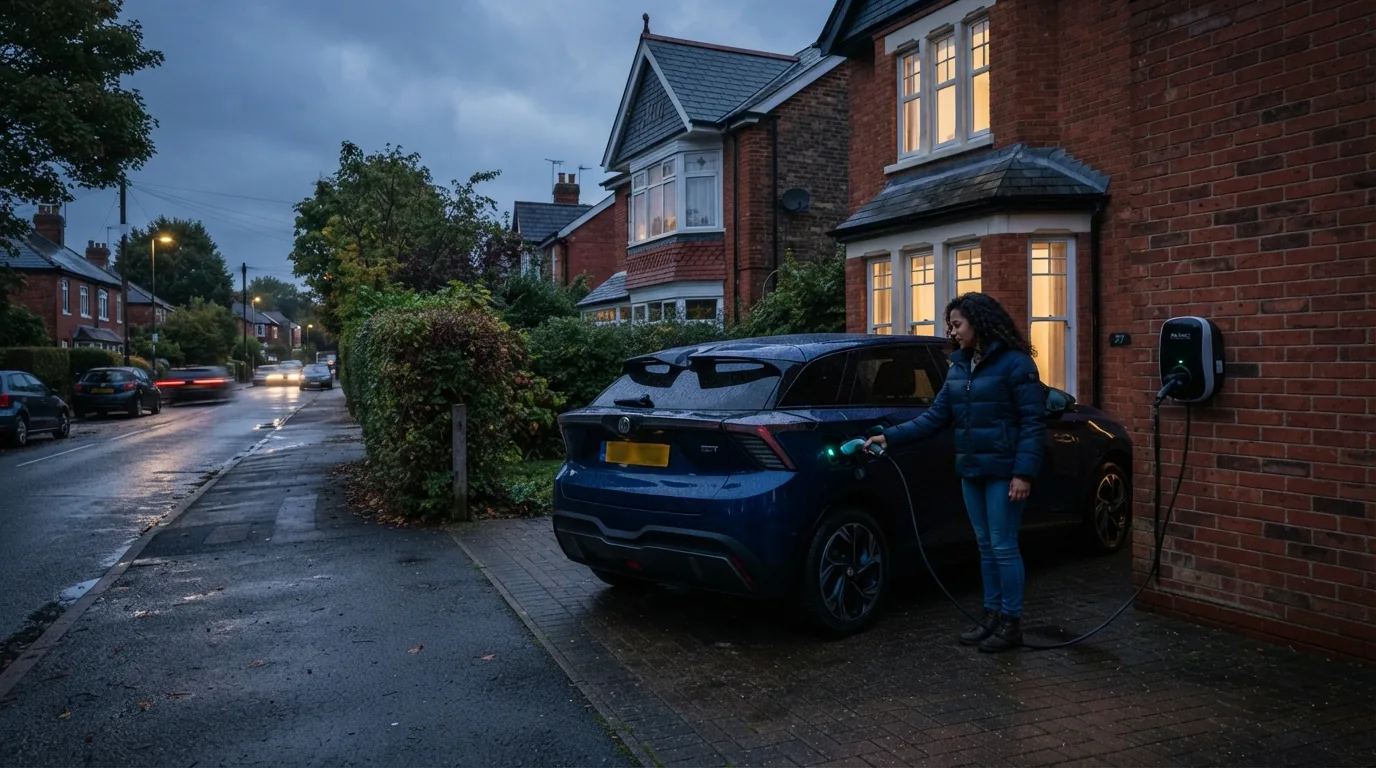
What Are the Biggest Myths About Switching to an EV?
The claims that put UK drivers off going electric, and what the evidence actually says
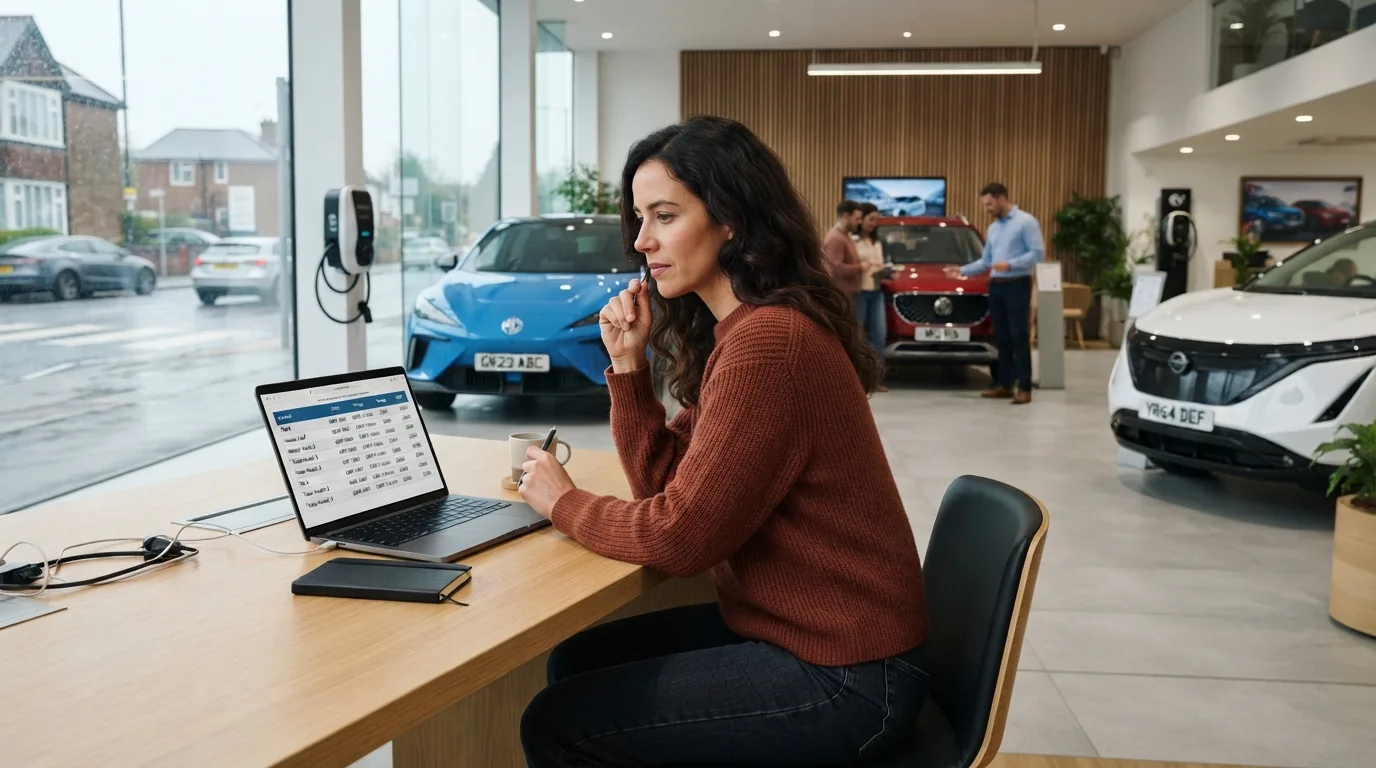
Should You Buy an EV in 2026 or Wait for Cheaper Models?
An honest look at where EV prices are heading and whether the wait is worth it for UK buyers
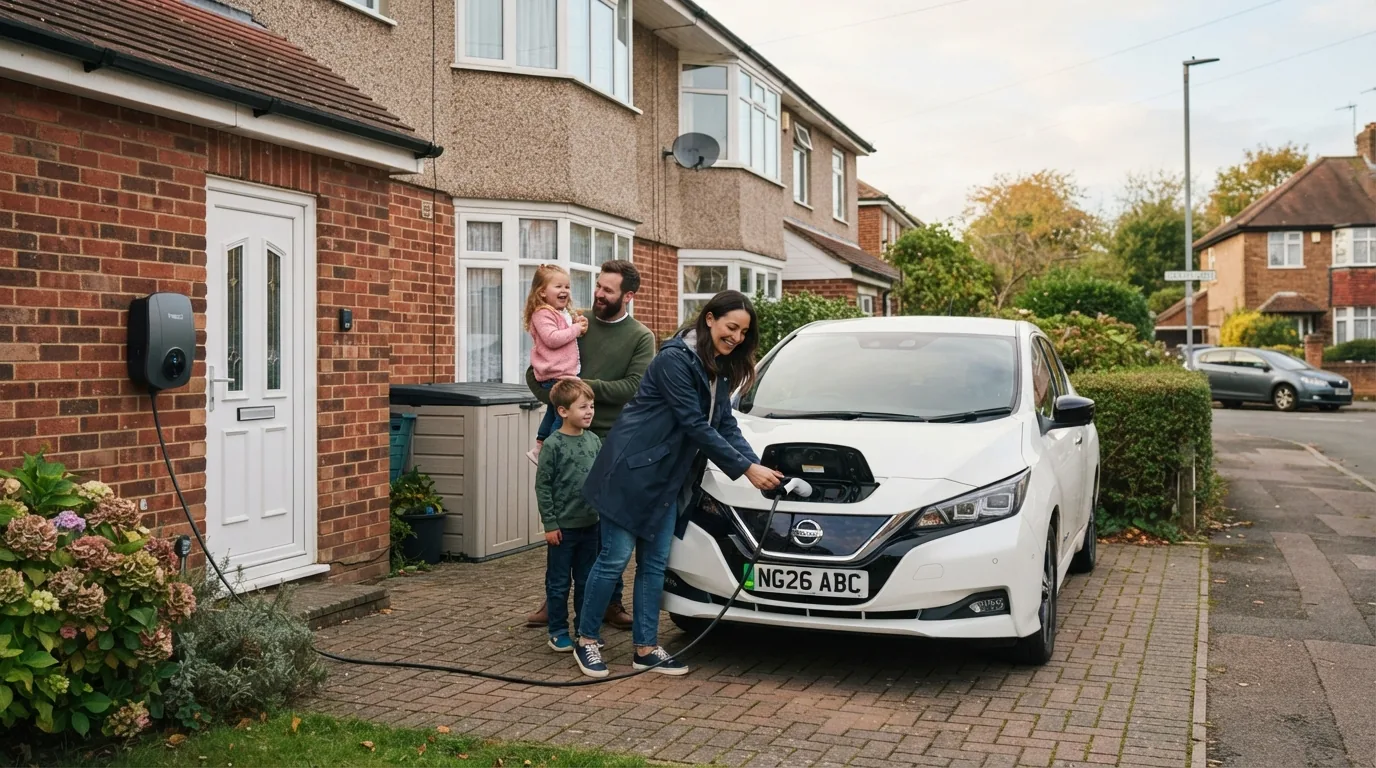
Buying and Owning an Electric Car in the UK: The Complete 2026 Guide
Everything you need to know about costs, charging, depreciation and day-to-day life with an EV