Buying and Owning an Electric Car in the UK: The Complete 2026 Guide
Everything you need to know about costs, charging, depreciation and day-to-day life with an EV
Quick answers
- The buying process is broadly the same as for any new car: you choose a model, arrange finance or pay outright, and take delivery.
- What are the real ownership costs: The headline figure to know: running an EV on home charging typically costs 3p to 5p per mile.
- Is charging at home essential: Home charging is strongly preferable but not strictly essential.
- How do EVs hold their value: Depreciation has been a weakness for electric cars, particularly older or lower-range models.
- What about finance: The Electric Car Grant, reintroduced in July 2025, provides up to £3,750 off eligible new EVs priced at or below £37,000.
- What is the common myth about EV ownership: The biggest misconception is that battery degradation will leave you with an unusable car within a few years.
Electric cars now account for more than 22% of new car sales in the UK in 2026, up from under 5% just five years ago. If you are researching your first EV, or weighing up whether to switch from petrol or diesel, this guide covers every question worth asking before you sign anything.
What does buying an electric car in the UK actually involve?
The buying process is broadly the same as for any new car: you choose a model, arrange finance or pay outright, and take delivery. The differences start before you reach the forecourt.
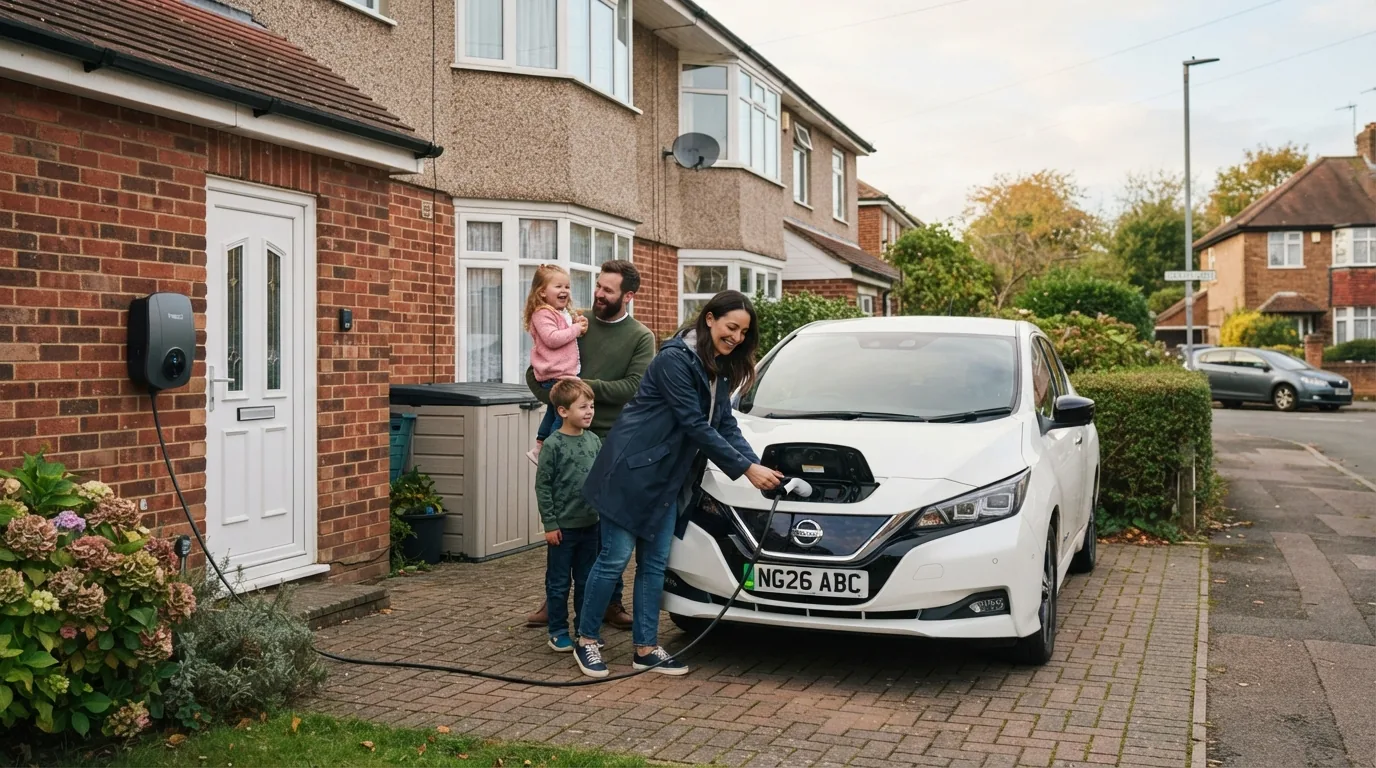
You need to think about where you will charge. Roughly 40% of UK households do not have access to off-street parking, which makes overnight home charging impossible without a street charge point or a nearby public option. If you do have a driveway or garage, a 7 kW wallbox typically costs £800 to £1,200 installed, and it transforms the ownership experience.
You also need to understand range. Official WLTP figures are useful for comparing models, but real-world motorway range is typically 15 to 25% lower, and winter driving can reduce that further. Most UK drivers cover well under 30 miles a day, so even a modest 150-mile battery is rarely a practical problem for daily use.
The purchase price of new EVs ranges from around £12,240 for the Dacia Spring to over £100,000 for premium models. The average transaction price across all new EVs sits at roughly £47,500 in 2026, though the sharpest growth in sales is happening in the sub-£30,000 bracket where Chinese, French and Korean brands are competing hard.
What are the real ownership costs?
The headline figure to know: running an EV on home charging typically costs 3p to 5p per mile. Petrol at current pump prices costs around 12p to 15p per mile for a typical family car. Over 10,000 miles a year, that gap is worth £700 to £1,200.
| Cost area | Electric car (2026) | Equivalent petrol car |
|---|---|---|
| Annual fuel or charging | £210–£900 (home) / up to £2,500 (mostly public rapid) | £1,200–£1,800 |
| Annual servicing | £140–£175 | £200–£350 |
| Road tax (VED) | £10 first year, then £200 | £190–£580 depending on CO2 |
| Insurance | £562 average | £487 average |
| Battery warranty | 8 years / 100,000 miles minimum | n/a |
Road tax changed in April 2025. EVs no longer receive the zero-rate exemption and now pay the same standard rate as petrol cars (£200 per year). Cars with a list price above £50,000 also attract the £425 Expensive Car Supplement for years two to six. This matters if you are budgeting for a premium EV.
Insurance currently costs roughly 15% more for an EV than for an equivalent petrol car. The gap has narrowed in recent years as insurers build better claims data and as more independent repairers become qualified to work on high-voltage vehicles.
Is charging at home essential?
Home charging is strongly preferable but not strictly essential. The UK now has 92,141 public charge points across 46,107 locations, and the network is growing at around 12% a year. Rapid and ultra-rapid chargers at motorway services and retail parks can add 100 miles of range in 20 to 30 minutes.
For urban drivers without a driveway, many local authorities now offer on-street lamp post chargers (typically 3.7 kW to 7 kW), and dedicated on-street charge point schemes are expanding in most cities. The experience is less convenient than plugging in at home, but entirely workable if you plan your routine around it.
How do EVs hold their value?
Depreciation has been a weakness for electric cars, particularly older or lower-range models. Average three-year depreciation for EVs sits at 38 to 42%, compared with 35 to 40% for equivalent petrol cars. However, the picture has improved significantly for well-regarded models: the Tesla Model 3, Kia EV6, Hyundai Ioniq 5 and BMW i4 now hold value broadly in line with premium petrol equivalents.
Battery state of health has become the dominant factor in used EV pricing. A car with documented evidence of 90% or more original battery capacity commands a clear premium.
What should you check before buying?
For a new EV:
- Does your property have off-street parking for a home charger?
- Is the model’s charging speed compatible with the rapid chargers you will realistically use?
- Is the quoted WLTP range realistic for your typical driving? (Apply a 20 to 25% motorway discount.)
- Which finance structure, lease, PCP or outright purchase, suits your situation?
For a used EV:
- Request a battery health diagnostic showing state of health as a percentage of original capacity.
- Check whether the original battery warranty is still in place and transferable.
- Confirm the car supports the charging standard you need (CCS for DC rapid charging is now universal on most post-2019 EVs; earlier cars may only support CHAdeMO or slower AC).
What about finance?
Three options dominate the UK market:
Personal Contract Hire (PCH / leasing) gives the lowest monthly payments and removes the risk of depreciation, because you return the car at the end. You never own the vehicle, and mileage limits apply. Best for drivers who want certainty and flexibility.
Personal Contract Purchase (PCP) works like a deposit plus monthly payments, with a balloon payment at the end if you want to keep the car. You can trade in if you have positive equity. Best for drivers who might want to own the car eventually.
Outright purchase or personal loan gives you full ownership and no mileage limits. The total cost of a low-interest loan is often competitive with PCP once you factor in the value of the car at the end.
The Electric Car Grant, reintroduced in July 2025, provides up to £3,750 off eligible new EVs priced at or below £37,000. Not all models qualify, so check the GOV.UK eligibility list before committing.
What is the common myth about EV ownership?
The biggest misconception is that battery degradation will leave you with an unusable car within a few years. Real-world data from more than 22,000 vehicles shows average degradation of around 2.3% per year. A car that is six years old typically retains around 87 to 90% of its original battery capacity. Full battery replacement is rare during a normal ownership period, and all manufacturers must provide at minimum an 8-year, 100,000-mile warranty guaranteeing at least 70% capacity retention.
What is the bottom line?
If you can charge at home, cover at least 6,000 miles a year, and plan to keep the car for three or more years, an electric car is almost certain to be cheaper to run than a petrol equivalent. The upfront price gap has narrowed considerably in 2026, and the total cost of ownership over five years is now competitive for many buyers.
The main reason to hesitate is home charging access. If you genuinely cannot charge at home or near home, the economics are less clear-cut, and the day-to-day experience requires more planning.
For model recommendations by budget and use case, see our best electric cars to buy in the UK in 2026.
This guide is the starting point for the EV Compared Buying and Owning hub, where you will find dedicated explainers on every topic above, from battery warranties to the best finance deal for your situation.
How we test and where our numbers come from
Range figures are official WLTP combined values taken from manufacturer UK specification pages, with real-world estimates drawn from independent comparative testing. Prices are UK list prices at the time of the latest update. Tax, grant and charging-scheme figures come from GOV.UK and HMRC publications. We re-check every guide when pricing, specification or policy changes. Last checked 11 August 2026.
Frequently asked questions
What does buying an electric car in the UK actually involve?
The buying process is broadly the same as for any new car: you choose a model, arrange finance or pay outright, and take delivery. The differences start before you reach the forecourt.
What are the real ownership costs?
The headline figure to know: running an EV on home charging typically costs 3p to 5p per mile. Petrol at current pump prices costs around 12p to 15p per mile for a typical family car.
Is charging at home essential?
Home charging is strongly preferable but not strictly essential. The UK now has 92,141 public charge points across 46,107 locations, and the network is growing at around 12% a year.
How do EVs hold their value?
Depreciation has been a weakness for electric cars, particularly older or lower-range models. Average three-year depreciation for EVs sits at 38 to 42%, compared with 35 to 40% for equivalent petrol cars.
What about finance?
The Electric Car Grant, reintroduced in July 2025, provides up to £3,750 off eligible new EVs priced at or below £37,000. Not all models qualify, so check the GOV.UK eligibility list before committing.

EV Compared
The EV Compared editorial team tracks the UK electric vehicle market full time: new model launches, list prices, WLTP and real-world range, public charging tariffs and the tax rules that decide what an EV actually costs to run. Every guide is checked against manufacturer specifications and official GOV.UK figures, and updated whenever the numbers move.
Related reading
View all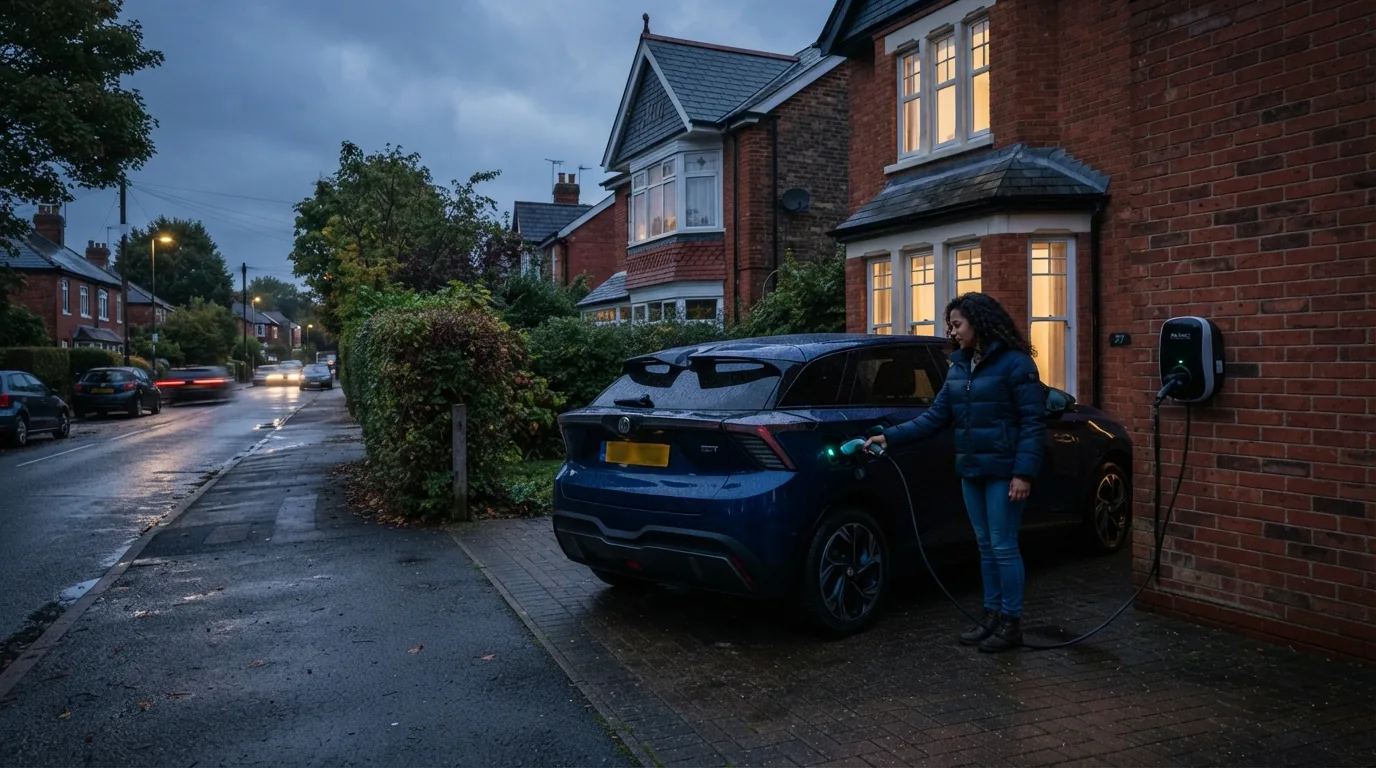
What Are the Biggest Myths About Switching to an EV?
The claims that put UK drivers off going electric, and what the evidence actually says
Should You Buy an EV in 2026 or Wait for Cheaper Models?
An honest look at where EV prices are heading and whether the wait is worth it for UK buyers
Should You Buy a Used EV With a Leased Battery?
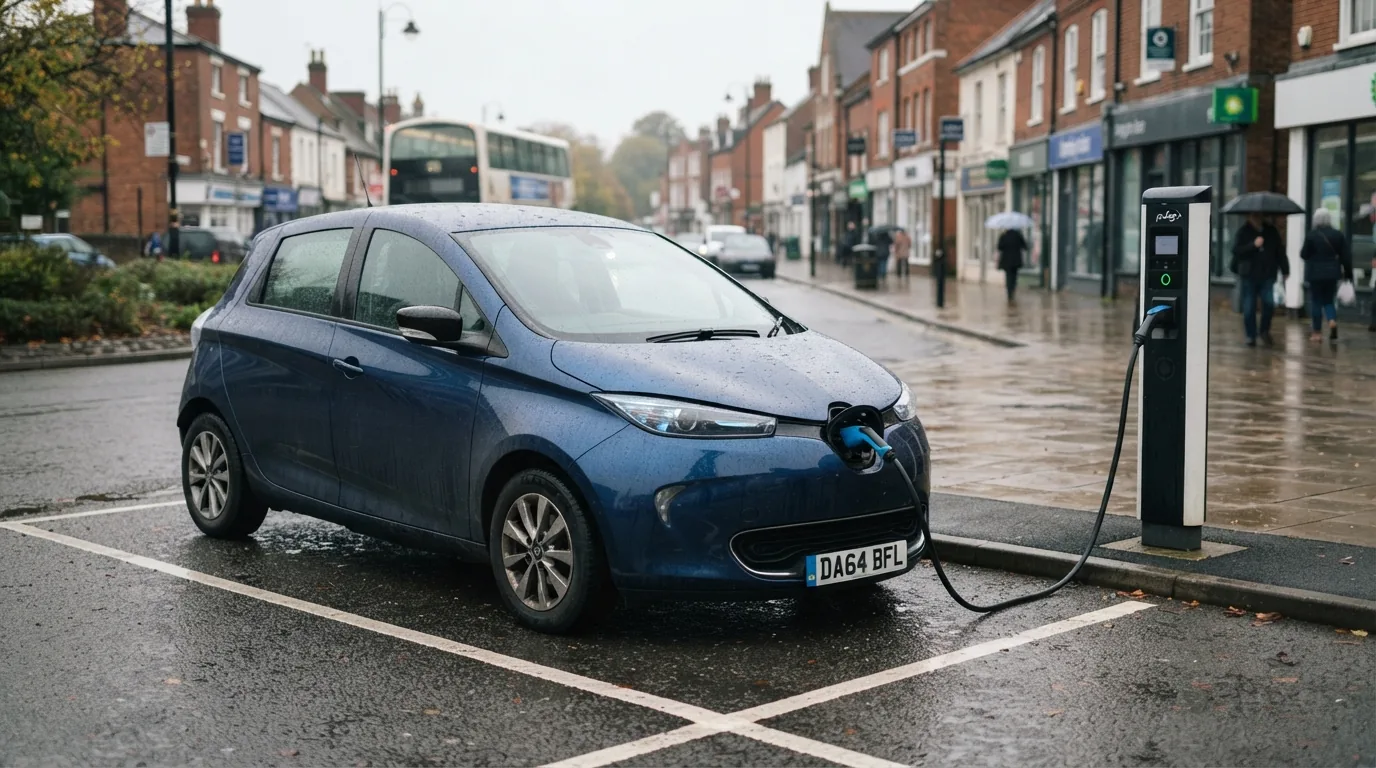
Battery leasing was once common on the Renault Zoe and early Nissan Leaf. Here is what it means for used car buyers in 2026 and whether to proceed