How Much Does It Cost to Charge an EV at Home in the UK?
A full 60kWh charge costs around £14.80 on the standard rate or about £4.80 on an overnight EV tariff. Here is the maths, plus how to get the cheapest possible home charging cost.
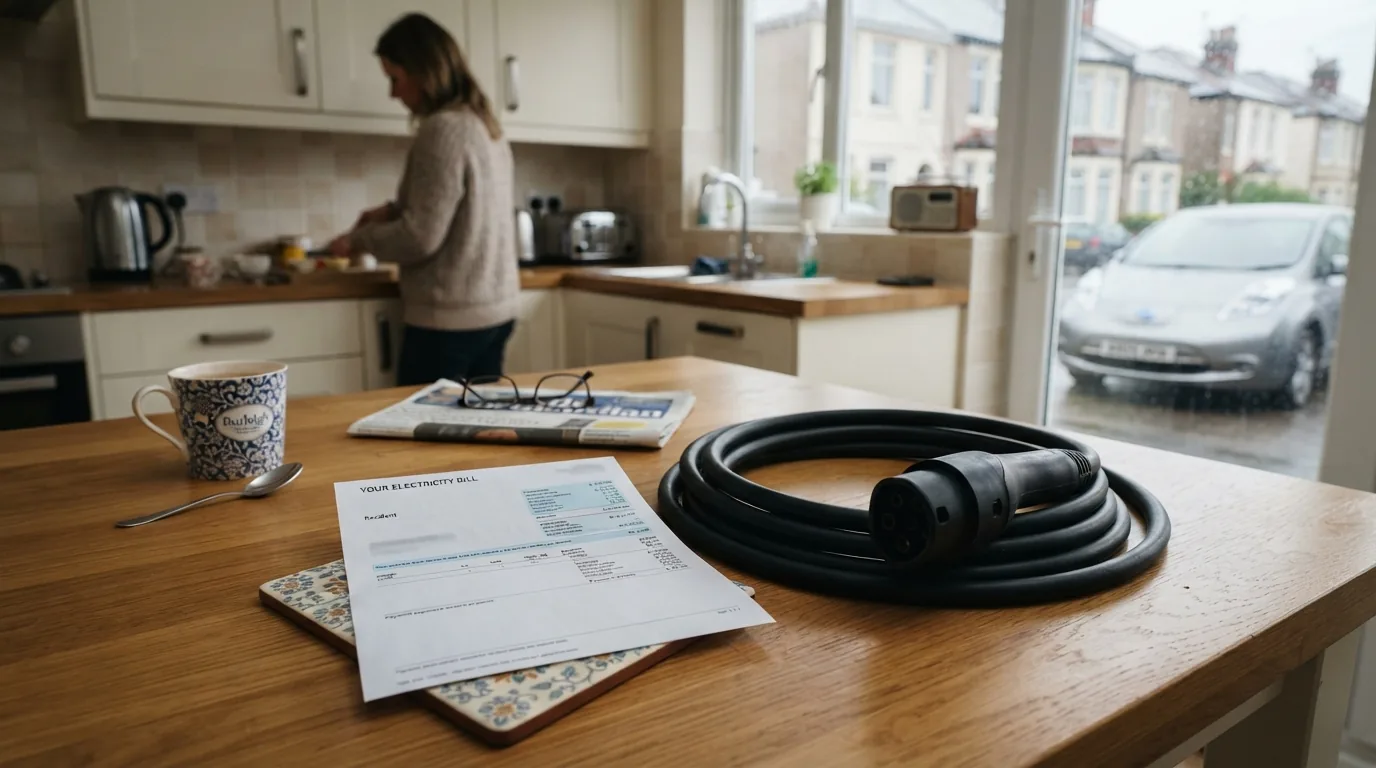
Quick answers
- A full charge of a typical 60kWh EV costs around £14.80 on the standard Ofgem price-cap rate, or about £4.80 on a cheap overnight EV tariff (figures vary, verify current data).
- That works out at roughly 2p to 7p per mile at home, against around 16p to 22p per mile for petrol.
- Your electricity tariff is the single biggest factor in home charging costs; switching to an EV tariff can cut charging costs by around 65 to 70%.
- The Ofgem price cap changes every quarter, so the headline standard rate shifts; the off-peak EV rate is what keeps home charging cheap regardless of cap movements.
- A 7kW home charger costs roughly £800 to £1,200 installed and typically pays for itself within a couple of years versus petrol savings.
Charging a typical 60kWh electric car from empty to full costs around £14.80 on the standard Ofgem price-cap rate, or about £4.80 on a cheap overnight EV tariff (figures vary, verify current data). The difference between those two numbers is almost entirely down to one thing: which electricity tariff you are on.
That is good news, because you control that. This guide shows you the maths so you can work out the cost for your own car, explains what the Ofgem price cap is doing right now and in July 2026, and tells you exactly which tariffs bring home charging closest to pennies per mile. The Ofgem price cap changes every quarter, so any single rate you see quoted online may already be out of date (figures vary, verify current data).
What does it cost to charge an EV at home right now?
A full home charge costs roughly £14.80 on the standard rate or around £4.80 on a cheap EV tariff, for a 60kWh battery (figures vary, verify current data). The formula is simple: full-charge cost = usable battery in kWh x electricity rate in p/kWh.
For a 60kWh car at the current Ofgem cap rate of 24.67p/kWh (Apr-Jun 2026), that is 60 x 24.67p = £14.80 (figures vary, verify current data). On Intelligent Octopus Go at around 8p/kWh overnight, the same charge works out at 60 x 8p = £4.80 (figures vary, verify current data).
Two things to note. First, the Ofgem cap rate rises to around 26.11p/kWh from July 2026, which pushes a standard-rate full charge up to about £15.70 (figures vary, verify current data). The cap resets every quarter, so treat any published rate as a snapshot, not a permanent figure. Second, most owners rarely charge from completely flat to 100%. A typical top-up is smaller, and the bill is proportionally lower.
| How you charge | Rate (p/kWh) | Full charge (60kWh) | Cost per mile (3.7 mi/kWh) |
|---|---|---|---|
| Standard tariff (Ofgem cap, Apr-Jun 2026) | 24.67p | ~£14.80 | ~6.7p |
| Standard tariff (Ofgem cap, Jul-Sep 2026) | 26.11p | ~£15.70 | ~7.1p |
| EV off-peak tariff (e.g. Intelligent Octopus Go) | ~8p | ~£4.80 | ~2.2p |
| Cheapest overnight EV tariff (e.g. EDF GoElectric) | ~6.99p | ~£4.20 | ~1.9p |
| Public rapid/ultra-rapid (for comparison) | ~76p | ~£45.60 | ~20.5p |
All rates above: figures vary, verify current data. Per-mile figures assume 3.7 miles per kWh.
How much does home charging cost per mile and per year?
At 6.7p per mile on the standard cap, a driver covering 9,000 miles a year spends around £600 on home charging. Switch to an EV off-peak tariff and the same mileage costs around £195. That is a saving of over £400 a year from one tariff switch (figures vary, verify current data).
The per-mile formula is: p/kWh divided by miles-per-kWh. At 24.67p and 3.7 mi/kWh, that is 24.67 / 3.7 = ~6.7p/mile. At 8p overnight, it is 8 / 3.7 = ~2.2p/mile. Real-world efficiency typically sits between 3.5 and 4.0 mi/kWh, so your figure will vary by car model, weather and driving speed. Cold weather and sustained motorway driving both reduce efficiency noticeably.
| Tariff | Cost per mile | Cost per year (9,000 miles) |
|---|---|---|
| Standard (Ofgem cap, Apr-Jun 2026) | ~6.7p | ~£600 |
| EV off-peak tariff (~8p/kWh) | ~2.2p | ~£195 |
| Petrol equivalent (40mpg, ~£1.45/litre) | ~16.5p | ~£1,485 |
All figures: figures vary, verify current data. Petrol cost based on 40mpg at approximately £1.45/litre. The Energy Saving Trust cites home EV charging on a good tariff as reaching as low as around 2p per mile, consistent with the off-peak figures above.
Standard tariff vs EV tariff: where the real saving is
Moving from the standard Ofgem cap rate to a good EV overnight tariff cuts the cost per kWh by around 65-70%. That is the single biggest lever available to any home-charging EV owner (figures vary, verify current data).
Several suppliers now offer dedicated EV rates, each with slightly different windows and structures:
- Intelligent Octopus Go (Octopus Energy): around 8p/kWh during an 11:30pm to 5:30am window. The tariff uses smart scheduling, so it finds the cheapest slots within that window rather than simply charging the whole time. Some regions have seen rates below 6p from April 2026. Regional variation applies (figures vary, verify current data).
- EDF GoElectric: around 6.49p to 6.99p/kWh across a seven-hour window from 11pm to 6am (figures vary, verify current data).
- OVO Charge Anytime: uses smart scheduling rather than a fixed window, charging your car when grid prices are cheapest. The per-kWh model varies (figures vary, verify current data).
- E.ON Next Drive: around 8p/kWh overnight (figures vary, verify current data).
Most of these tariffs require a smart meter, and some require a compatible smart charger or car. The application process is typically online and takes a short time.
One fair caveat: the cheap overnight rate applies only during the off-peak window. Your general home electricity use during the day continues at the daytime rate. When comparing tariffs, look at your whole bill, not just the overnight headline rate. Standing charges also differ between suppliers.
An EV tariff is where the real saving is, and the gap between providers is wider than most drivers expect. We compare the best EV charging tariffs in a separate guide, but the short version is that an overnight rate in the 7p to 9p range turns a full charge into pocket change.
Home charging vs public charging: how big is the gap?
Home off-peak charging can be around ten times cheaper per kWh than a public rapid charger. Public rapid and ultra-rapid chargers commonly run at around 70 to 85p/kWh, meaning a 60kWh charge at a rapid public point can cost £42 to £51 or more (figures vary, verify current data). Slower destination or AC public chargers tend to sit around 50 to 55p/kWh, making a full charge roughly £30 to £33.
Against a home off-peak rate of around 7p to 8p/kWh, home charging is dramatically cheaper for any driver with driveway access. The figures from the first table illustrate the gap: roughly £4.80 at home on an EV tariff versus £45 or more at a public rapid charger for the same 60kWh.
The honest note here is that drivers without off-street parking cannot rely on home charging and must use public networks for most top-ups. If that applies to you, the public vs home cost gap matters less than finding the best-value public network for your area.
What does it cost to install a home charger?
A 7kW smart wallbox typically costs around £800 to £1,200 installed, including the unit and labour. That is the starting point for most EV owners setting up home charging for the first time.
A wallbox is worth the investment for three reasons. It charges significantly faster than a standard three-pin plug (a typical overnight top-up versus a multi-day trickle). It is safer for sustained daily use. And it is usually required by EV tariff providers to enable smart, scheduled overnight charging at the off-peak rate.
The EV chargepoint grant (administered through OZEV) is available to renters, landlords, and flat owners, and covers up to £350 or 75% of the install cost, whichever is lower (figures vary, verify current eligibility and amounts). The grant for homeowners with a private driveway closed in April 2022.
Payback framing: if switching to an EV tariff saves you around £400 per year in charging costs compared with the standard rate (based on the 9,000-mile example above), a £1,000 wallbox pays for itself in roughly two to three years, before accounting for savings versus petrol.
Is charging an EV at home cheaper than petrol?
Yes, by a substantial margin, on any home electricity tariff. On an EV off-peak tariff the saving is dramatic.
From the per-year table: a petrol car doing 40mpg at around £1.45/litre costs approximately 16.5p per mile, adding up to around £1,485 for 9,000 miles (figures vary, verify current data). A 60kWh EV on the standard home rate costs around 6.7p per mile, and on an EV tariff around 2.2p per mile. That is between a half and a seventh of the petrol cost per mile.
The Energy Saving Trust frames it this way: a full home charge on an EV tariff can cost around £8 or less and cover approximately 220 miles, against up to £45 worth of petrol for the same distance.
One fair caveat: the comparison assumes most of your EV charging happens at home on the off-peak rate. If you regularly top up at public rapid chargers at 75p/kWh or more, the EV running-cost advantage shrinks significantly. The standing charge on your electricity tariff also adds to the real annual cost, though this applies to your home energy use whether you have an EV or not.
The cost comes down to your tariff
The cost to charge an EV at home is almost entirely a function of which electricity tariff you are on. On the standard Ofgem cap a 60kWh car costs around £14.80 for a full charge; on a cheap overnight EV tariff, closer to £5. The Ofgem cap changes every quarter, so that standard-rate figure will shift (figures vary, verify current data).
The biggest single action most EV owners can take is switching to an EV tariff and charging overnight. If you want to compare the current options, our guide to the best EV charging tariffs covers the main providers, rates and what to watch out for.
How we test and where our numbers come from
Range figures are official WLTP combined values taken from manufacturer UK specification pages, with real-world estimates drawn from independent comparative testing. Prices are UK list prices at the time of the latest update. Tax, grant and charging-scheme figures come from GOV.UK and HMRC publications. We re-check every guide when pricing, specification or policy changes. Last checked 11 August 2026.
Frequently asked questions
How much does it cost to fully charge an electric car at home?
For a typical 60kWh battery, around £14.80 on the standard Ofgem cap rate (24.67p/kWh for Apr-Jun 2026) or around £4.80 on a cheap overnight EV tariff at 8p/kWh. The maths is straightforward: battery size in kWh multiplied by your electricity rate in p/kWh (figures vary, verify current data).
Is it cheaper to charge an EV at home or at a public charger?
Home is far cheaper. Public rapid and ultra-rapid chargers commonly cost 70p to 85p/kWh or more, making a 60kWh charge £42 to £51. Home off-peak charging at around 7p to 8p/kWh for the same charge costs around £4.80.
How much does it cost to charge an EV per month at home?
At 9,000 miles per year on the standard cap, home charging costs around £600 annually, which is roughly £50 per month. On an EV off-peak tariff, the same mileage costs around £195 per year, or about £16 per month. Both figures assume a 60kWh battery at 3.7 mi/kWh average efficiency (figures vary, verify current data).
Do I need a special tariff to charge an EV cheaply at home?
You do not strictly need one, but a dedicated EV or off-peak tariff is where the biggest saving is. Tariffs such as Intelligent Octopus Go or EDF GoElectric offer overnight rates around 7p to 8p/kWh, roughly 65 to 70% below the standard cap rate. A smart meter is usually required to access these tariffs (figures vary, verify current data).
Does charging an EV at home increase my electricity bill a lot?
It adds a visible amount: around £600 per year at 9,000 miles on the standard rate, or around £195 on an EV tariff. Against a petrol bill of around £1,485 for the same mileage, the net position is still strongly in favour of the EV. The standing charge on your tariff is a separate cost that applies to all your home energy use, not just EV charging.
Sources and further reading
- ofgem.gov.ukOfgem, Octopus EnergyPrimary source referenced in this article.
- ofgem.gov.ukofgem.gov.uk- The authoritative source for the current standard unit rate; check this every quarter as it resets.
- energysavingtrust.org.ukenergysavingtrust.org.uk- Neutral UK body with per-mile and per-charge guidance; useful for cross-checking figures.
- octopus.energyoctopus.energy- Primary source for the most widely cited EV overnight tariff rate and window.
- edfenergy.comedfenergy.com- Primary source for the cheapest fixed-window overnight EV rate.
- moneysavingexpert.commoneysavingexpert.com- Independent cross-check on tariff comparisons and caveats around standing charges and whole-bill costs.

EV Compared
The EV Compared editorial team tracks the UK electric vehicle market full time: new model launches, list prices, WLTP and real-world range, public charging tariffs and the tax rules that decide what an EV actually costs to run. Every guide is checked against manufacturer specifications and official GOV.UK figures, and updated whenever the numbers move.
Related reading
View all
BP Pulse vs Shell Recharge: Which UK Network Wins?
Two of the UK's biggest charging networks compared on price, reliability and which type of driver each suits
Can You Charge Any EV at Any Public Charger in the UK?
Why almost any new EV works at almost any UK public charger, and the two exceptions you need to know
Can You Charge an EV From a Three-Pin Plug in the UK?
Yes, most cars ship with the cable, but speed and safety limits mean it works best for occasional or emergency use