Do You Pay Road Tax on an Electric Car in the UK in 2026?
VED for EVs changed in April 2025 -- here are the exact rates, what changed, and what you owe
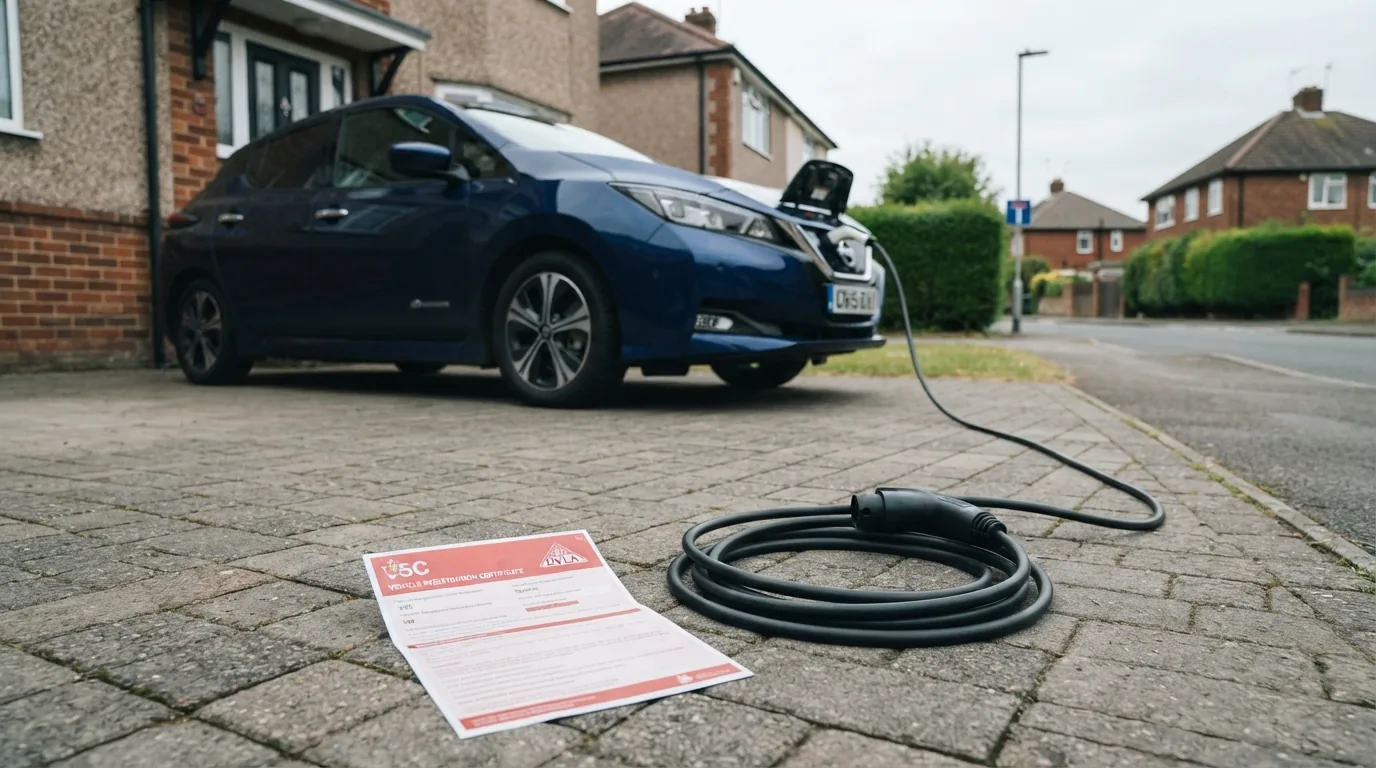
Quick answers
- Yes, electric cars now pay Vehicle Excise Duty (VED) in the UK. The exemption that zero-emission cars had enjoyed since 2001 ended on 1 April 2025.
- The most common question is about cars registered from April 2017 onwards: these all pay the flat £200 standard rate, regardless of when between April 2017 and now they were registered.
- Why did the VED exemption end: The exemption was removed as part of a broader effort to ensure electric vehicle owners contribute to road maintenance in the same way petrol and diesel drivers do.
- Yes, the Expensive Car Supplement (sometimes called the luxury car tax) applies to electric cars.
- Most mainstream family EVs are priced below £50,000 and are unaffected.
- How do I renew EV road tax: The same way as any other vehicle: online through GOV.UK, at a Post Office, or by phone.
Yes, electric cars now pay Vehicle Excise Duty (VED) in the UK. The exemption that zero-emission cars had enjoyed since 2001 ended on 1 April 2025. From that date, all electric cars are subject to road tax, though the rates depend on when the car was first registered and how much it cost.
What are the VED rates for electric cars in 2026?
The rates vary by registration date. Here is the full picture for 2026/27:
| Registration date | Annual VED rate (2026/27) |
|---|---|
| Before 1 March 2001 | £0 (pre-banding era, zero-emission assumed) |
| 1 March 2001 to 30 March 2017 | £20 per year |
| 1 April 2017 to 31 March 2025 | £200 per year (standard rate) |
| On or after 1 April 2025 | £10 in year one, then £200 per year |
| On or after 1 April 2025, list price over £50,000 | £10 year one, then £640 per year (standard rate + expensive car supplement) |
The most common question is about cars registered from April 2017 onwards: these all pay the flat £200 standard rate, regardless of when between April 2017 and now they were registered. There is no discounted rate for cars bought a year before the exemption ended.
Why did the VED exemption end?
The exemption was removed as part of a broader effort to ensure electric vehicle owners contribute to road maintenance in the same way petrol and diesel drivers do. The Office for Budget Responsibility had projected a growing shortfall in fuel duty receipts as EV adoption accelerated. With EVs now accounting for around 20% of new car registrations, the Treasury could no longer absorb the lost revenue.
HMRC and DVLA confirmed the change in the Autumn 2022 Budget, giving buyers three years of notice. Electric van and motorcycle VED rules changed in parallel.
What is the Expensive Car Supplement and does it apply to EVs?
Yes, the Expensive Car Supplement (sometimes called the luxury car tax) applies to electric cars. It is a surcharge on the standard rate for any car with a list price over £50,000 when new.
For 2026/27, the supplement adds £440 per year to the standard £200, giving a combined VED bill of £640 per year. The supplement applies for the first five years that the standard rate is paid (years two through six from first registration for cars registered from April 2025).
The £50,000 threshold was raised from £40,000 specifically for zero-emission cars in November 2025. Petrol and diesel cars still hit the supplement at £40,000. This means an EV costing £48,000 does not pay the supplement, while a petrol car at the same price does. The change applies retrospectively to EVs registered on or after 1 April 2025.
Which popular EVs are affected by the Expensive Car Supplement?
Most mainstream family EVs are priced below £50,000 and are unaffected. The supplement typically bites on premium models. Examples of EVs that exceed the £50,000 threshold in 2026 include:
- Tesla Model S and Model X
- BMW i5
- Mercedes EQC
- Audi Q4 e-tron (some trims)
- Porsche Taycan (all trims)
- Jaguar I-Pace
Models that sit comfortably under the threshold and avoid the supplement include the Volkswagen ID.3, MG4, Nissan Leaf, Renault Megane E-Tech, and most trim levels of the Kia EV6 and Hyundai Ioniq 6.
How do I renew EV road tax?
The same way as any other vehicle: online through GOV.UK, at a Post Office, or by phone. You need a valid V5C (logbook), a valid MOT where applicable (EVs are subject to MOT from year four like all other vehicles), and valid insurance. Electric cars no longer receive automatic exemption at renewal.
If your EV was registered before April 2025 and you renewed within the zero-exemption period, you would have received a £0 VED disc. From your next renewal after April 2025, you pay the applicable rate.
Are electric motorcycles and vans also affected?
Yes. Zero-emission motorcycles pay a reduced rate of £25 per year. Zero-emission light goods vehicles (vans up to 3,500kg) pay the standard rate applicable to their weight class. The changes mirror those for cars in their structure and timeline.
What about company car drivers?
Company cars registered to a business are taxed on their list price through Benefit-in-Kind (BIK) rather than through personal VED payments. The employer is responsible for taxing the vehicle. However, if the business provides a car that the employee also uses privately, the VED cost is typically covered by the company. For salary sacrifice schemes, VED is usually factored into the lease agreement.
Will EV road tax increase further?
The government has not signalled any further VED rate changes for EVs beyond inflation-linked uplifts applied across all vehicles. What it has confirmed is a pay-per-mile element from April 2028, proposed at around 3p per mile. This would be charged separately from VED and would represent an additional cost for high-mileage drivers. A driver covering 10,000 miles a year would pay an extra £300 on top of the existing £200 standard VED.
The detail of how pay-per-mile will operate — whether through telematic data, odometer checks, or a flat-rate proxy — has not been published in final form. The 2028 start date gives buyers of new EVs in 2025 and 2026 at least two to three years at current rates.
Is there still a tax advantage to owning an EV?
In pure VED terms, the advantage is smaller than it was but still exists in two scenarios. First, new EVs pay only £10 in year one, versus up to £600 for a high-emission new petrol car in the same period. Second, EV drivers with cars under £50,000 pay the same £200 as most petrol drivers but avoid the expensive car supplement that catches equivalent petrol models at £40,000.
The bigger tax advantage for most drivers remains Benefit-in-Kind. EV company car drivers pay BIK at 4% in 2026/27, compared with 25 to 37% for petrol equivalents. That is worth thousands of pounds per year for a 40% taxpayer — far outweighing the loss of the VED exemption.
Summary: what does EV road tax cost in 2026?
- Most EVs registered from April 2017 onwards: £200 per year
- New EVs registered from April 2026: £10 in year one, then £200
- EVs with a list price above £50,000: £640 per year in years two to six
- EVs registered before April 2017: £20 per year
For further detail on how the expensive car supplement works and which models it affects, see our Expensive Car Supplement explainer.
For a full picture of what owning an EV costs in 2026, visit the EV running costs and tax hub or see which models come out cheapest overall on our cheapest electric cars to run page.
How we test and where our numbers come from
Range figures are official WLTP combined values taken from manufacturer UK specification pages, with real-world estimates drawn from independent comparative testing. Prices are UK list prices at the time of the latest update. Tax, grant and charging-scheme figures come from GOV.UK and HMRC publications. We re-check every guide when pricing, specification or policy changes. Last checked 11 August 2026.
Frequently asked questions
What are the VED rates for electric cars in 2026?
The most common question is about cars registered from April 2017 onwards: these all pay the flat £200 standard rate, regardless of when between April 2017 and now they were registered. There is no discounted rate for cars bought a year before the exemption ended.
Why did the VED exemption end?
The exemption was removed as part of a broader effort to ensure electric vehicle owners contribute to road maintenance in the same way petrol and diesel drivers do. The Office for Budget Responsibility had projected a growing shortfall in fuel duty receipts as EV adoption accelerated.
What is the Expensive Car Supplement and does it apply to EVs?
Yes, the Expensive Car Supplement (sometimes called the luxury car tax) applies to electric cars. It is a surcharge on the standard rate for any car with a list price over £50,000 when new.
Which popular EVs are affected by the Expensive Car Supplement?
Most mainstream family EVs are priced below £50,000 and are unaffected. The supplement typically bites on premium models.
How do I renew EV road tax?
The same way as any other vehicle: online through GOV.UK, at a Post Office, or by phone. You need a valid V5C (logbook), a valid MOT where applicable (EVs are subject to MOT from year four like all other vehicles), and valid insurance.

EV Compared
The EV Compared editorial team tracks the UK electric vehicle market full time: new model launches, list prices, WLTP and real-world range, public charging tariffs and the tax rules that decide what an EV actually costs to run. Every guide is checked against manufacturer specifications and official GOV.UK figures, and updated whenever the numbers move.
Related reading
View all
What Are the Biggest Myths About Switching to an EV?
The claims that put UK drivers off going electric, and what the evidence actually says

Should You Buy an EV in 2026 or Wait for Cheaper Models?
An honest look at where EV prices are heading and whether the wait is worth it for UK buyers
Buying and Owning an Electric Car in the UK: The Complete 2026 Guide
Everything you need to know about costs, charging, depreciation and day-to-day life with an EV