Electric vs Petrol City Car: Best Switch for UK Urban Drivers?
For urban drivers doing short daily trips, an electric city car makes more sense than almost any other vehicle type. We compare the real numbers and pick the best models.
Quick answers
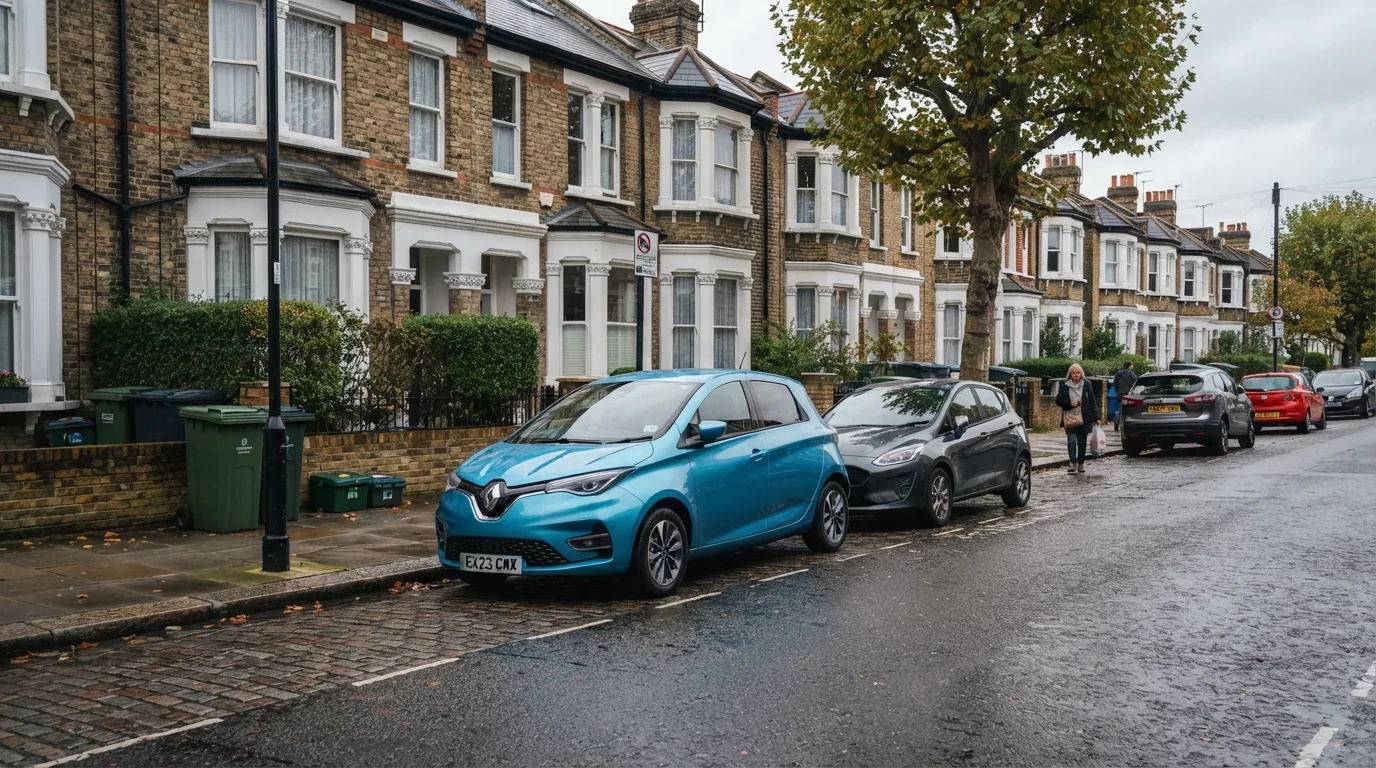
- Urban driving is where electric cars have the most decisive advantage over petrol equivalents. Stop-start city traffic, short journeys and overnight parking combine to create almost ideal conditions for EV ownership: low consumption, home charging convenience and minimal range requirements.
- The urban driving advantage for EVs: Small petrol engines are inefficient in stop-start city driving because they cannot recover energy from braking and idling wastes fuel.
- The Clean Air Zone factor: Since 2023, UK cities including Birmingham, Bath, Bradford, Portsmouth, Sheffield and Bristol have operated Clean Air Zones (CAZs) that charge daily fees for older petrol and diesel vehicles.
- Head to head: electric vs petrol city cars: Running costs calculated at home charging rate of 8p/kWh for EVs, and petrol at £1.50/litre for ICE cars.
- The Renault 5 E-Tech starts from £22,995 for the 40 kWh battery version, making it one of the most affordable new electric cars available in the UK in 2026.
- The Fiat 500e: the style choice: The Fiat 500e offers city-car proportions with premium-feeling quality, starting from around £24,995 for the 42 kWh Icon version.
Urban driving is where electric cars have the most decisive advantage over petrol equivalents. Stop-start city traffic, short journeys and overnight parking combine to create almost ideal conditions for EV ownership: low consumption, home charging convenience and minimal range requirements. If you drive mostly in town, the question is not whether an electric city car makes sense. It is which one to buy.
The direct answer: an electric city car is categorically the better choice for UK urban drivers in 2026, delivering lower running costs per mile, zero emissions in city-centre Clean Air Zones and a driving experience that suits urban use better than a small petrol car.
The urban driving advantage for EVs
Small petrol engines are inefficient in stop-start city driving because they cannot recover energy from braking and idling wastes fuel. A small EV does the opposite: regenerative braking recovers energy when you slow down, and an electric motor is instantaneously efficient at low speeds.
The result in real-world city driving: electric city cars often exceed their WLTP range estimate in urban conditions. A model rated at 180 miles on the combined WLTP cycle may deliver 220-plus miles in pure city driving, where regenerative braking is constantly active and motorway-speed aerodynamic losses are absent.
The Clean Air Zone factor
Since 2023, UK cities including Birmingham, Bath, Bradford, Portsmouth, Sheffield and Bristol have operated Clean Air Zones (CAZs) that charge daily fees for older petrol and diesel vehicles. London’s Ultra Low Emission Zone (ULEZ) now covers the whole of Greater London.
Battery electric cars pay nothing in any UK Clean Air Zone or ULEZ. The daily charge for a non-compliant petrol city car in London ULEZ is currently £12.50. For a driver entering ULEZ five days per week, that adds up to £3,250 per year in charges alone. An electric car eliminates this cost entirely.
| Cost (London ULEZ, 5 days/week) | Non-compliant petrol | Battery electric |
|---|---|---|
| Annual ULEZ charge | £3,250 | £0 |
| Annual saving | - | £3,250 |
For drivers who commute into London or other CAZ cities, the ULEZ saving alone can offset a significant portion of the price premium over a petrol equivalent.
Head to head: electric vs petrol city cars
| Model | Type | UK price from | Range (WLTP) | Running cost (p/mile) | Annual VED |
|---|---|---|---|---|---|
| Renault 5 E-Tech 40 kWh | Electric | ~£22,995 | 196 miles | ~2p (home) | £195 |
| Fiat 500e 42 kWh | Electric | ~£24,995 | 199 miles | ~2p (home) | £195 |
| MG4 SE Standard Range | Electric | ~£26,995 | 218 miles | ~2.2p (home) | £195 |
| Toyota Yaris 1.5 Hybrid | Full hybrid | ~£23,495 | N/A (petrol+) | ~9-10p | £195 |
| Renault Clio 1.0 TCe | Petrol | ~£20,995 | N/A | ~17p | £195 |
| Ford Fiesta 1.0 EcoBoost | Petrol | ~£22,295 | N/A | ~16p | £195 |
| Vauxhall Corsa 1.2 Turbo | Petrol | ~£19,995 | N/A | ~16p | £195 |
Running costs calculated at home charging rate of 8p/kWh for EVs, and petrol at £1.50/litre for ICE cars. ULEZ/CAZ charges not included above (applicable to non-compliant petrol cars only).
The Renault 5 E-Tech: the standout electric city car
The Renault 5 E-Tech starts from £22,995 for the 40 kWh battery version, making it one of the most affordable new electric cars available in the UK in 2026. The design is distinctive and contemporary, the interior is well-finished and the Google-native OpenR Link infotainment system is one of the best in the segment.
For urban drivers, the 40 kWh battery’s 196-mile WLTP range is adequate. In real city driving, expect 200 to 230 usable miles between charges. On a home wallbox at 8p/kWh, a full charge costs around £3.20: less than a return bus fare in most cities.
The Renault 5 supports up to 100 kW DC rapid charging (30 kWh battery variant limited to 80 kW), meaning a top-up from 20 to 80 per cent takes around 30 minutes at a compatible rapid charger. For a city car used primarily within its daily range, this rapid charging capability is primarily useful for the occasional longer trip.
The Fiat 500e: the style choice
The Fiat 500e offers city-car proportions with premium-feeling quality, starting from around £24,995 for the 42 kWh Icon version. Range is similar to the Renault 5, and the driving experience in urban environments is characterful and enjoyable.
The trade-off: the Fiat 500e is small, including the boot (185 litres), which limits practicality for families or regular shopping. It suits solo urban commuters or couples who do not need cargo space. The charging speed is limited to 85 kW DC, which is adequate but trails more recent designs.
Petrol city cars: where they still make sense
A small petrol city car is not without merit in 2026. The entry price advantage is real: a Vauxhall Corsa 1.2 Turbo from £19,995 undercuts the cheapest electric city car by around £3,000 to £5,000. For buyers who cannot charge at home and drive modest annual mileage, the lower purchase price may take longer to offset through fuel savings than they plan to keep the car.
The petrol city car also still makes sense for:
- Buyers with very low annual mileage (under 5,000 miles) who spend relatively little on fuel
- Rural drivers far from any rapid charger and without home charging
- Buyers who need a second car and cannot install a second charging point
The typical urban driver: the numbers in favour of EV
For a London commuter driving 8,000 miles per year, 80 per cent of which is in London:
Electric city car (Renault 5, 40 kWh, home charging at 8p/kWh):
- Annual charging cost: ~£160
- ULEZ charges: £0
- Annual VED: £195
- Annual service: ~£165
- Annual total (excluding finance): ~£520
Petrol city car (Vauxhall Corsa 1.2 Turbo, non-compliant, 40 mpg):
- Annual fuel cost: ~£1,360
- ULEZ charges (5 days/week): ~£3,250
- Annual VED: £195
- Annual service: ~£205
- Annual total (excluding finance): ~£5,010
That is a saving of £4,490 per year in favour of the electric city car, before considering any difference in finance cost. Even if the electric car costs £4,000 more to buy, it pays back the premium in under a year for a typical London driver.
Outside London, without ULEZ charges, the annual saving is more modest (around £1,200 to £1,400 primarily from fuel savings), but still decisive over two to three years.
The myth to correct
The most common myth about electric city cars is that their range makes them impractical. A 196-mile WLTP range from the Renault 5 sounds limiting until you consider that the average UK urban commute is under 20 miles per day. At that rate, you would need to charge approximately once a week. The range limitation of an electric city car never becomes relevant for its target use case.
A secondary myth: that petrol city cars are cheaper overall because they cost less to buy. For urban UK drivers who can charge at home and who drive into any CAZ city regularly, the petrol car’s total ownership cost is substantially higher within the first two to three years of ownership.
What to read next
For our full guide to making the switch from a petrol or diesel car, visit our Switching from Petrol or Diesel guide. For the best EVs for first-time switchers, including city-friendly models, see our first electric cars for switching from petrol page.
How we test and where our numbers come from
Range figures are official WLTP combined values taken from manufacturer UK specification pages, with real-world estimates drawn from independent comparative testing. Prices are UK list prices at the time of the latest update. Tax, grant and charging-scheme figures come from GOV.UK and HMRC publications. We re-check every guide when pricing, specification or policy changes. Last checked 11 August 2026.

EV Compared
The EV Compared editorial team tracks the UK electric vehicle market full time: new model launches, list prices, WLTP and real-world range, public charging tariffs and the tax rules that decide what an EV actually costs to run. Every guide is checked against manufacturer specifications and official GOV.UK figures, and updated whenever the numbers move.
Related reading
View all
What Are the Biggest Myths About Switching to an EV?
The claims that put UK drivers off going electric, and what the evidence actually says

Should You Buy an EV in 2026 or Wait for Cheaper Models?
An honest look at where EV prices are heading and whether the wait is worth it for UK buyers
Buying and Owning an Electric Car in the UK: The Complete 2026 Guide
Everything you need to know about costs, charging, depreciation and day-to-day life with an EV