Best Electric Vans Eligible for the UK Plug in Van Grant
The Plug-in Van Grant offers up to £5,000 off a new electric van. These are the models that earn it and deserve it.
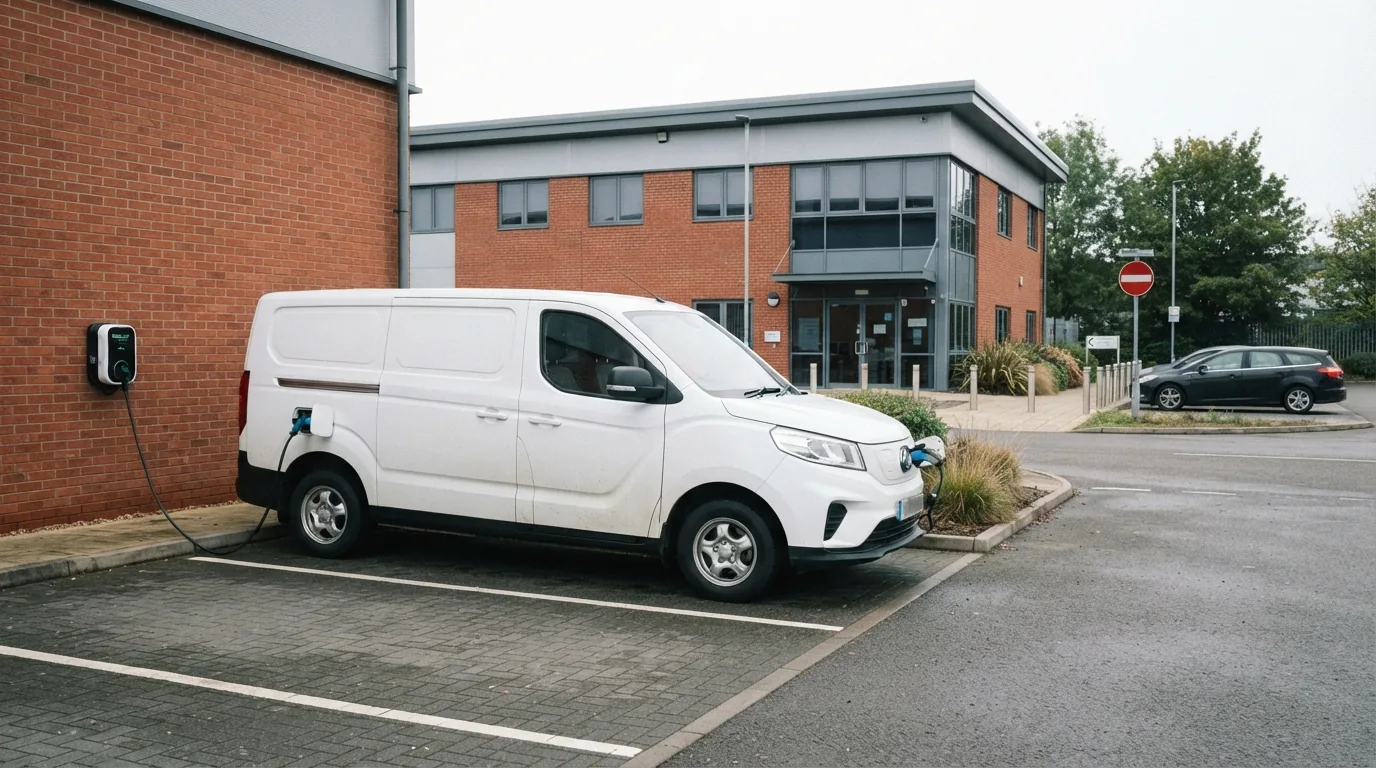
Quick answers
- The UK Plug-in Van Grant (PiVG) is one of the most valuable vehicle purchase subsidies still available to UK buyers in 2026. It offers up to £2,500 off small electric vans and up to £5,000 off larger ones, applied automatically at the point of sale.
- How the Plug-in Van Grant works: The grant covers 35% of the van's purchase price up to the relevant cap.
- Best large electric vans (£5,000 grant): The Renault Master E-Tech is the standout large electric van in 2026.
- Best small electric vans (£2,500 grant): The Combo-e is a well-proven small electric van that offers 174 miles of WLTP range in a compact, manoeuvrable package ideal for urban delivery work.
- Ranked comparison table: All prices are estimates excluding VAT; check with dealers for current figures.
The UK Plug-in Van Grant (PiVG) is one of the most valuable vehicle purchase subsidies still available to UK buyers in 2026. It offers up to £2,500 off small electric vans and up to £5,000 off larger ones, applied automatically at the point of sale. The scheme has been extended to run to at least 2027, and the list of eligible models spans most of the mainstream electric van market. Here is how the grant works, which models qualify and which represent the best all-round value for UK businesses and sole traders.
How the Plug-in Van Grant works
| Van category | Maximum grant | Grant covers |
|---|---|---|
| Small van (under 2,500kg GVW) | £2,500 | 35% of the purchase price |
| Large van (2,500kg to 4,250kg GVW) | £5,000 | 35% of the purchase price |
The grant covers 35% of the van’s purchase price up to the relevant cap. This means the grant is most impactful on vans at the lower end of the eligible price range (where 35% is likely to equal or exceed the cap). For a large van priced at £50,000 excluding VAT, 35% is £17,500, but the cap means you receive £5,000. For a smaller van at £25,000 excluding VAT, 35% is £8,750, but the cap means £2,500.
To qualify, the van must:
- Produce fewer than 50g/km of CO2 emissions
- Travel at least 60 miles with zero tailpipe emissions
- Meet the relevant gross vehicle weight category
The grant is applied by the dealer at the point of sale; there is no separate application process for buyers.
Best large electric vans (£5,000 grant)
1. Renault Master E-Tech, best range, best all-round large van
The Renault Master E-Tech is the standout large electric van in 2026. Its 87kWh battery delivers up to 285 miles of WLTP range, making it the longest-range large electric van currently on sale in the UK. With a maximum payload over 1,000kg and a choice of panel van and specialist body configurations, it serves a wide range of commercial applications. Prices from approximately £47,100 excluding VAT after the £5,000 PiVG is applied.
| Spec | Detail |
|---|---|
| Battery | 87kWh |
| WLTP range | Up to 285 miles |
| Payload | Over 1,000kg |
| Price after PiVG | From ~£47,100 exc. VAT |
| Best for | Long-distance operations, couriers, fleet use |
2. Ford E-Transit Custom, best all-rounder
The Ford E-Transit Custom combines up to 249 miles of WLTP range (in Enhanced Range form) with a massive 1,758kg maximum payload and a practical, familiar interior. A choice of 136hp, 217hp and 285hp electric motors suits everything from urban delivery to rural trade use. The Pro Power Onboard system provides up to 2.3kW from the van’s battery to power tools on site, a genuinely useful feature for tradespeople. Prices from approximately £43,630 excluding VAT after the £5,000 PiVG.
| Spec | Detail |
|---|---|
| Battery | 64kWh (standard) / 71kWh (enhanced range) |
| WLTP range | Up to 249 miles |
| Payload | Up to 1,758kg |
| Price after PiVG | From ~£43,630 exc. VAT |
| Best for | Trade businesses, mixed urban and motorway use |
3. Vauxhall Vivaro Electric, best mid-size option
The Vivaro Electric offers up to 217 miles of WLTP range from its 75kWh battery and covers all the mainstream body types (panel van, crew van, platform chassis). Available in two lengths for different load requirements. Rapid charging capability (5% to 80% in under 45 minutes at a 100kW charger) makes it practical for drivers who rely on public rapid charging. Prices typically start from around £36,000 excluding VAT after the PiVG.
| Spec | Detail |
|---|---|
| Battery | 75kWh |
| WLTP range | Up to 217 miles |
| Payload | Up to 1,226kg |
| Price after PiVG | From ~£36,000 exc. VAT |
| Best for | Mid-size fleets, crew transport, versatile business use |
Best small electric vans (£2,500 grant)
4. Vauxhall Combo-e, best small van overall
The Combo-e is a well-proven small electric van that offers 174 miles of WLTP range in a compact, manoeuvrable package ideal for urban delivery work. It qualifies for the £2,500 PiVG and shares its platform with the Peugeot e-Partner and Citroën Berlingo Electric, all of which are similarly capable. Prices from around £28,000 excluding VAT after grant.
5. Renault Kangoo E-Tech, best small van for flexibility
The Kangoo E-Tech offers 162 miles of WLTP range with a useful side-loading door configuration. It is available in panel van and crew van variants and has one of the more comfortable ride qualities in the small van segment. After the £2,500 PiVG, prices typically start from around £26,000 excluding VAT.
6. Ford E-Transit Courier, best compact option
The E-Transit Courier fills the gap between a car-derived van and a full panel van, offering around 160 miles of WLTP range in an urban-focused, compact package. After the £2,500 PiVG, it is one of the more affordable ways into the Ford electric van range.
Ranked comparison table
| Model | Category | PiVG | WLTP range | Payload | Approx. post-grant price (exc. VAT) |
|---|---|---|---|---|---|
| Renault Master E-Tech | Large | £5,000 | 285 miles | 1,000kg+ | ~£47,100 |
| Ford E-Transit Custom | Large | £5,000 | 249 miles | 1,758kg | ~£43,630 |
| Vauxhall Vivaro Electric | Large | £5,000 | 217 miles | 1,226kg | ~£36,000 |
| Vauxhall Combo-e | Small | £2,500 | 174 miles | ~700kg | ~£28,000 |
| Renault Kangoo E-Tech | Small | £2,500 | 162 miles | ~640kg | ~£26,000 |
| Ford E-Transit Courier | Small | £2,500 | ~160 miles | ~700kg | ~£27,000 |
All prices are estimates excluding VAT; check with dealers for current figures.
Can you also claim the Workplace Charging Scheme?
Yes. The PiVG and the Workplace Charging Scheme (WCS) are entirely separate grants and can both be claimed. If you are purchasing an electric van for your business and need to install a workplace chargepoint, the WCS covers 75% of the cost up to £500 per socket. This combination effectively subsidises both the vehicle and the infrastructure needed to charge it.
Tax advantages for businesses
Beyond the purchase grant, electric vans attract specific tax advantages for UK businesses:
- Full expensing (first-year allowance): businesses can deduct 100% of the van’s cost against taxable profits in the year of purchase under current HMRC rules, rather than depreciating it over time. This is a significant cash flow benefit.
- Zero BIK on private use: electric vans used privately by employees attract a BIK charge of just £0 in 2026/27 (compared with a flat £3,960 for conventionally fuelled vans with private use). This will rise in future years but is extremely advantageous now.
- No fuel card complexity: electricity costs are simpler to expense than fuel, and overnight depot charging can use cheap off-peak electricity tariffs.
Common mistakes van buyers make
Assuming all electric vans are grant-eligible. The van must meet the 60-mile zero-emission range and sub-50g/km CO2 requirements. Most modern BEV vans qualify but check the GOV.UK eligible vehicle list for your specific model.
Confusing small and large van categories. The threshold is 2,500kg GVW, not physical size or appearance. A van that looks medium-sized may qualify as small or large depending on its certified weight.
Forgetting to account for charging infrastructure costs. The van grant is generous but the cost of installing adequate depot charging or workplace chargepoints is a real additional cost. Model this into your total cost of ownership calculation, and then explore the WCS grant to reduce it.
Not factoring in electricity tariffs. A business charging a fleet of vans overnight on a standard business electricity tariff pays significantly more per kWh than one on a dedicated EV fleet tariff. Negotiate commercial EV charging rates before taking delivery.
What to do next
Check the current GOV.UK eligible vehicle list for your shortlisted van to confirm PiVG eligibility. Apply for the Workplace Charging Scheme before arranging depot chargepoint installation.
For the full grants and incentives landscape, return to the grants, policy and legislation hub. For the best-value car grants, see our guide to best value EVs that qualify for UK grants.
How we test and where our numbers come from
Range figures are official WLTP combined values taken from manufacturer UK specification pages, with real-world estimates drawn from independent comparative testing. Prices are UK list prices at the time of the latest update. Tax, grant and charging-scheme figures come from GOV.UK and HMRC publications. We re-check every guide when pricing, specification or policy changes. Last checked 11 August 2026.
Frequently asked questions
Can you also claim the Workplace Charging Scheme?
Yes. The PiVG and the Workplace Charging Scheme (WCS) are entirely separate grants and can both be claimed.
Sources and further reading
- gov.ukGOV.UK OZEVPrimary source referenced in this article.

EV Compared
The EV Compared editorial team tracks the UK electric vehicle market full time: new model launches, list prices, WLTP and real-world range, public charging tariffs and the tax rules that decide what an EV actually costs to run. Every guide is checked against manufacturer specifications and official GOV.UK figures, and updated whenever the numbers move.
Related reading
View all
Best Electric Vans for Sole Traders in the UK
Top electric vans for the self-employed: tax relief, real-world range and 2026 model rankings
Best Electric Vans for UK Fleets in 2026
Top electric vans ranked for fleet operators by range, payload, charging and total cost
Ford E-Transit vs Vauxhall Vivaro Electric: Best UK Fleet Van?
Head-to-head on range, payload, price and fleet running costs in 2026