Are Electric Cars Cheaper to Insure in the UK?
The latest UK quote data shows the average EV now costs less to insure than the average petrol or diesel car, but the full picture depends heavily on the model
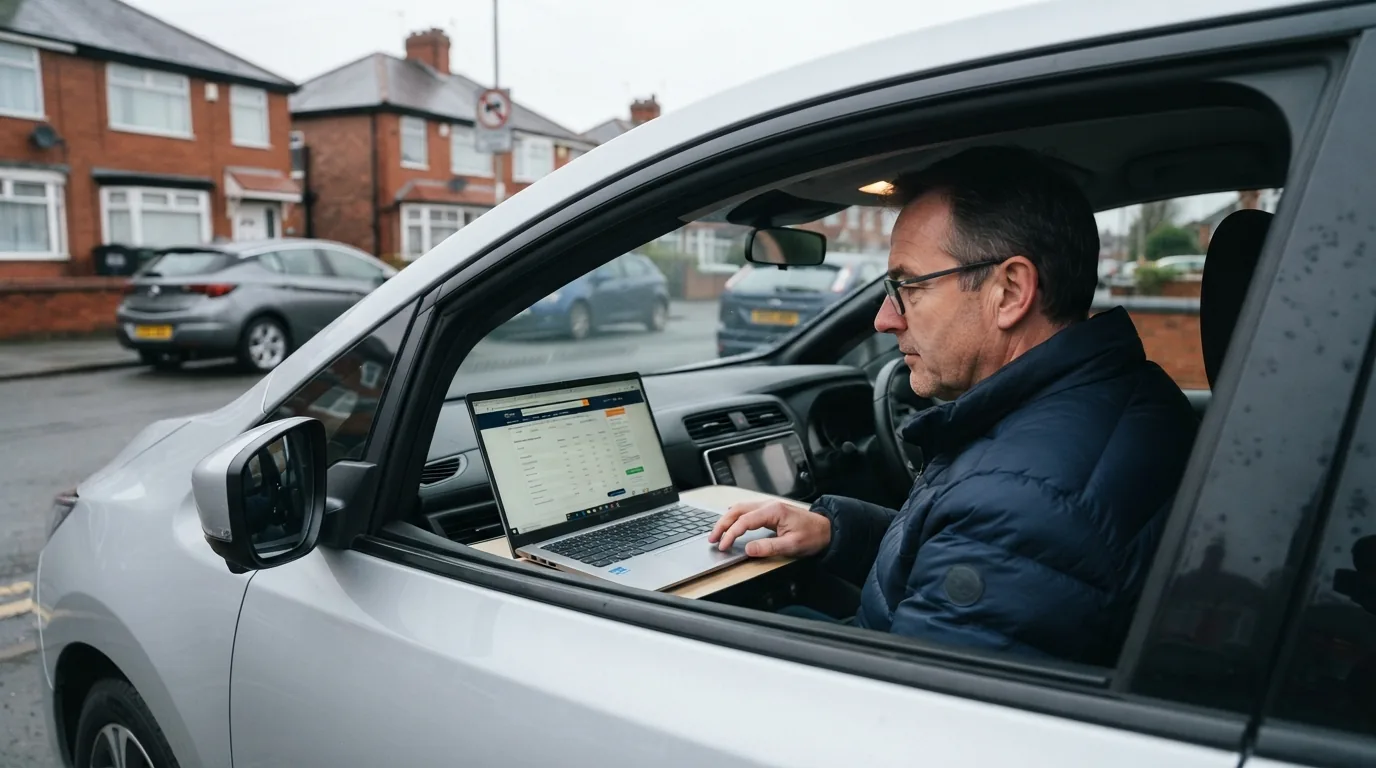
Quick answers
- The old rule that EVs always cost more to insure no longer holds. On the latest Which? quote data (October to December 2025), the average EV (£657) is cheaper to insure than the average petrol car (£854).
- Sources still disagree at the margin: MoneySuperMarket's 2026 index puts the average EV slightly above petrol, so the model and your personal circumstances decide which side of the line you land on.
- EVs have historically cost more to insure mainly because repairs run about 25% dearer and take roughly 14% longer (ABI and Thatcham), with the battery being the most costly part to damage.
- There are two stories inside the average: mainstream EVs such as the Renault 5 or VW ID.3 insure from around £418 to £478, while a Tesla Model Y Long Range AWD or Jaguar I-Pace can top £900.
- You do not need a special EV policy, but check how the battery, charging cable and home charger are treated in the policy wording.
- Comparing widely, paying annually and choosing a lower insurance group model are the most reliable ways to reduce the premium.
On the latest Which? quote data (October to December 2025), the average comprehensive premium for an electric car is £657 a year, compared to £854 for petrol and £818 for diesel. That means EVs now average around £197 less than petrol on a like-for-like basis. The old assumption that EVs always cost more to insure no longer holds across the board, though premium and performance models can still top £900.
The shift is recent. Through 2022 to 2024, electric car insurance cost UK drivers noticeably more than equivalent petrol and diesel cover, driven by high repair bills, battery replacement risk and a shortage of EV-qualified technicians. That gap has since closed for mainstream models, and the Association of British Insurers (ABI) confirmed that the overall UK average motor premium fell to £551 in Q3 2025, down £56 year on year, with three consecutive quarters of falling premiums. Thatcham research and ABI analysis have been central to understanding how EV claims differ, and the picture is now more nuanced than a simple “EVs cost more.”
Are electric cars cheaper or more expensive to insure right now?
Two reputable sources currently give different answers, and that tells you something important about where the market stands.
Which? quote data from October to December 2025 puts the average electric car insurance premium at £657, below both the petrol average (£854) and diesel average (£818). On that basis, electric cars are cheaper to insure than petrol or diesel cars by a meaningful margin.
MoneySuperMarket’s Electric Car Insurance Index for 2026 puts the average EV premium at £562, compared to £487 for petrol, which would make EVs around £75 (about 15%) more expensive. The two indices use different model mixes and sampling methods, which explains the gap.
The honest answer is that the market is at a tipping point. Whether an EV costs you more or less than a petrol equivalent depends on the specific model, your driver profile, your postcode and the insurer. What is clear is that the old rule that EVs always cost more to insure no longer holds, and for most mainstream models the comprehensive premium is now competitive with, or below, petrol equivalents.
Reasons the gap has closed:
- EV volumes have grown, giving insurers better claims data and more accurate pricing
- More bodyshops have gained EV certification, reducing repair time and cost pressures
- Overall UK motor premiums fell sharply through 2025, which pulled EV quotes down with them
- Mainstream EVs such as the Renault 5, VW ID.3 and Mini Cooper Electric sit in lower insurance groups than earlier EV generations
Why have electric cars cost more to insure?
Understanding why EVs historically carried higher premiums explains why the gap is only now easing, and why premium EVs still sit at the expensive end.
- EV accident repairs run around 25% more than comparable petrol and diesel cars and take approximately 14% longer, according to ABI and Thatcham analysis. The combination of higher cost and longer off-road time pushes up insurers’ expenses.
- The lithium-ion battery can represent 40 to 50% of the car’s total value, according to industry analysis citing Thatcham research (figures vary, verify current data). Even moderate impact damage can trigger a write-off if the pack is structurally compromised, producing a large payout on what might look like a minor accident.
- Specialist high-voltage training is required before a technician can safely work on an EV drivetrain. A shortage of EV-qualified mechanics has historically pushed up both labour rates and repair times.
- EVs have typically carried higher list prices than equivalent petrol models, raising the maximum payout an insurer faces on a total loss.
These factors have not disappeared, but they are becoming less dominant as the market matures and the supply of trained technicians grows.
How much does it cost to insure an electric car in the UK?
Average premiums vary by source, and personal quotes vary further still by driver age, postcode, annual mileage and trim level. The figures below are indicative averages, not quotes any individual reader will necessarily be offered.
| Insurance benchmark | Average annual comprehensive premium |
|---|---|
| Average petrol car (UK) | £854 |
| Average diesel car (UK) | £818 |
| Average electric car (UK) | £657 |
| Renault 5 | ~£418 |
| Mini Cooper Electric | ~£446 |
| Volkswagen ID.3 | ~£478 |
| Tesla Model Y Long Range AWD | ~£896 |
| Jaguar I-Pace 400SE | ~£922 |
Fuel-type averages: Which? (October to December 2025 quote data). Model figures: MoneySuperMarket Electric Car Insurance Index 2026.
The table shows two stories running alongside each other. Mainstream, lower-powered EVs such as the Renault 5 and VW ID.3 insure for less than the UK average petrol premium. Performance and premium EVs such as the Tesla Model Y Long Range AWD or the Jaguar I-Pace sit well above it. The “average EV” figure in both the Which? and MoneySuperMarket data sits somewhere between those extremes, depending on which models each index includes.
Which electric cars are cheapest to insure?
Insurance groups run from 1 to 50, with lower numbers meaning lower premiums. Where a car sits in the group table is set by factors including list price, repair cost, parts availability, security and performance. Smaller, less powerful EVs consistently land in lower groups than their high-performance or premium counterparts.
Mainstream models that currently sit in lower insurance groups include:
- BYD Dolphin Surf, among the cheapest new EVs to insure and priced below £20,000
- Renault 5, which quotes around £418 a year on the MoneySuperMarket index
- Mini Cooper Electric, quoting around £446 a year
- Volkswagen ID.3, quoting around £478 a year
Performance variants of otherwise affordable models move into noticeably higher groups, so picking a standard rather than high-output trim can make a real difference to the annual premium.
Insurance is only one line in your monthly budget, and the models that score lowest on premiums often score low on charging and tax costs too. See the cheapest electric cars to run for the full picture.
Do you need special insurance for an electric car?
No. You insure an EV with a standard comprehensive car insurance policy, and most mainstream insurers and comparison sites quote for electric cars as standard. There is no separate “EV policy” category.
That said, there are a few policy points worth checking that do not apply to petrol or diesel cars:
- Battery cover: confirm whether the policy covers the battery whether it is owned outright or leased separately. Some older policies were written before battery leasing became common and may have gaps.
- Charging equipment: check whether accidental damage to your charging cable is treated as a motor accessory and covered under the car policy, or whether it falls under home contents cover.
- Home charger: a permanently wall-mounted home charger is generally covered under buildings insurance rather than your car policy. A portable plug-in “granny” cable is typically treated as a motor accessory. Many policies still contain no specific reference to EV charging liabilities at all, so reading the policy wording matters.
How can you cut the cost of insuring an electric car?
- Compare across multiple sites and check direct insurers. Comparison sites do not always include every insurer; some specialist and manufacturer-backed products are only available direct.
- Pay annually rather than monthly. Monthly payment usually involves an interest charge that adds meaningfully to the total cost over the year.
- Raise your voluntary excess if you can afford the outlay. A higher voluntary excess reduces the insurer’s exposure on smaller claims and typically lowers the quoted premium.
- Give accurate mileage. Overstating mileage increases the premium unnecessarily; understating it can invalidate a claim.
- Choose a lower insurance group model. The group your car sits in is set at launch and does not change; picking a lower-powered or lower-value variant makes a lasting difference.
- Secure overnight parking. A driveway or garage reduces theft and vandalism risk compared to street parking, which most insurers price in.
- Consider a telematics policy. A black-box policy rewards careful driving with lower premiums and can be particularly effective for drivers who cover low annual mileage.
Insurance is one piece of the running-cost picture. If you are looking at which models combine low premiums with low charging costs and low road tax, the cheapest electric cars to run brings those figures together in one place. For a broader look at EV ownership costs, see our EV running costs and tax hub.
Useful Resources
Which? electric car insurance https://www.which.co.uk/money/insurance/car-insurance/electric-car-insurance-an1rC7l1KnBY
ABI motor premium tracker (November 2025 release) https://www.abi.org.uk/news/news-articles/2025/11/three-straight-quarters-of-falling-motor-premiums/
ABI guide to EV charging and insurance https://www.abi.org.uk/products-and-issues/choosing-the-right-insurance/motor-insurance/electric-vehicle-charging/
MoneySuperMarket Electric Car Insurance Index 2026 https://www.moneysupermarket.com/car-insurance/the-electric-car-insurance-index/
RAC: are electric cars cheaper to insure? https://www.rac.co.uk/drive/electric-cars/running/are-electric-cars-cheaper-to-insure/
How we test and where our numbers come from
Range figures are official WLTP combined values taken from manufacturer UK specification pages, with real-world estimates drawn from independent comparative testing. Prices are UK list prices at the time of the latest update. Tax, grant and charging-scheme figures come from GOV.UK and HMRC publications. We re-check every guide when pricing, specification or policy changes. Last checked 11 August 2026.
Frequently asked questions
Are electric cars more expensive to insure than petrol cars?
Not necessarily any more. Historically EVs cost more to insure because repairs are pricier and batteries are expensive to replace, but the gap has closed significantly. The latest Which? quote data (October to December 2025) puts the average EV premium at £657, below the petrol average of £854.
How much does it cost to insure an electric car in the UK?
As a rough guide, average comprehensive EV cover sits around £560 to £660 a year depending on the data source, according to the latest Which? and MoneySuperMarket figures. Cheaper mainstream models such as the Renault 5 or VW ID.3 can come in around £418 to £478 on the MoneySuperMarket index, while a Tesla Model Y Long Range AWD can approach £900. All figures vary by driver age, postcode, mileage and trim.
Why is electric car insurance so expensive?
Where it is dearer, the main factors are repair cost and complexity. EV accident repairs run about 25% more and take approximately 14% longer than petrol equivalents, according to ABI and Thatcham data. The battery can represent 40 to 50% of the car's value and even moderate crash damage can trigger a write-off.
Do you need special insurance for an electric car?
No. You insure an EV with a standard car insurance policy and most mainstream insurers and comparison sites quote for electric cars as standard. It is worth checking that the policy covers the battery (whether owned or leased separately), how accidental damage to your charging cable is treated, and whether your wall charger falls under motor or buildings insurance.
Which electric cars are cheapest to insure?
Smaller, lower-powered mainstream EVs in lower insurance groups are consistently cheapest. Recent comparison data points to models such as the Renault 5 (around £418 a year), Mini Cooper Electric (around £446) and VW ID.3 (around £478) as among the most affordable on the MoneySuperMarket index.
Sources and further reading
- which.co.ukWhich?Primary source referenced in this article.

EV Compared
The EV Compared editorial team tracks the UK electric vehicle market full time: new model launches, list prices, WLTP and real-world range, public charging tariffs and the tax rules that decide what an EV actually costs to run. Every guide is checked against manufacturer specifications and official GOV.UK figures, and updated whenever the numbers move.
Related reading
View all
What Are the Biggest Myths About Switching to an EV?
The claims that put UK drivers off going electric, and what the evidence actually says
Should You Buy an EV in 2026 or Wait for Cheaper Models?
An honest look at where EV prices are heading and whether the wait is worth it for UK buyers
Buying and Owning an Electric Car in the UK: The Complete 2026 Guide
Everything you need to know about costs, charging, depreciation and day-to-day life with an EV