Best Cheap Used EVs for City Driving in the UK
The best inexpensive used electric cars for urban driving in 2026: low purchase price, easy charging, good visibility and practical town-car dimensions
Quick answers
- City driving suits electric cars better than almost any other use case. Stop-start traffic, low average speeds, short daily distances and the ability to home-charge overnight mean city drivers extract maximum value from an EV while using only a fraction of its range on any given day.
- What makes a good city EV: Range anxiety is largely irrelevant if your daily driving is under 50 miles.
- 1. Volkswagen e-up!: the ideal urban EV: The e-up! is the most urban-optimised EV on the used market.
- 2. BMW i3 (120Ah): the premium city EV: The i3 is the finest urban EV ever made in terms of the holistic experience.
- The Zoe 52kWh offers more real-world range than any other car at this price point: 155 to 185 miles in mild conditions.
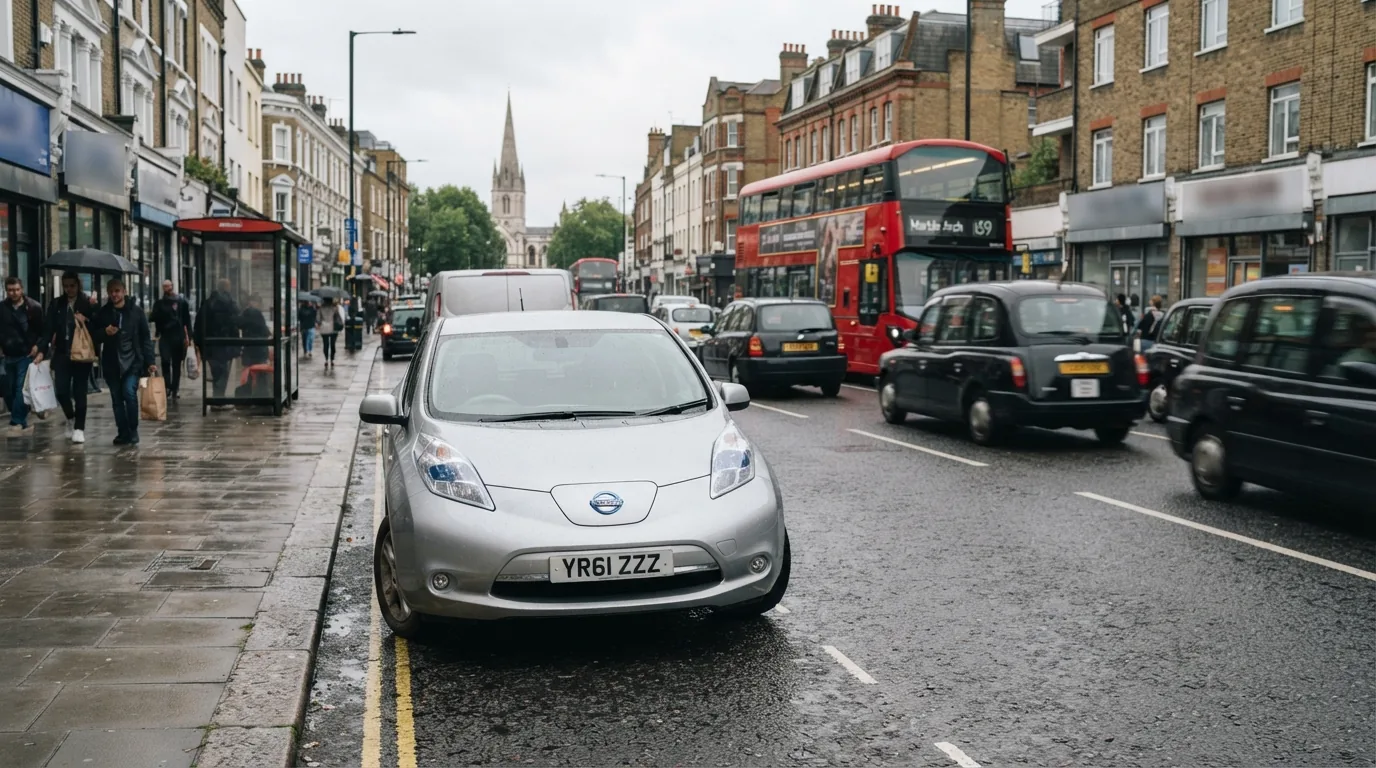
- The Leaf 40kWh is not the most urban-optimised car on this list (at 4.49 metres it is the longest), but it is the most practical.
City driving suits electric cars better than almost any other use case. Stop-start traffic, low average speeds, short daily distances and the ability to home-charge overnight mean city drivers extract maximum value from an EV while using only a fraction of its range on any given day. A 100-mile battery is more than enough for a London or Birmingham commuter.
Here are the best cheap used EVs for city driving in the UK in 2026, ranked by overall urban value.
What makes a good city EV?
For urban use, the priorities are different from long-distance touring:
- Compact dimensions: Easier parking, lower stress in traffic
- Responsive, low-speed driving: EVs are excellent here by default due to instant torque
- Low purchase price: City cars do not need massive batteries; pay less for what you actually use
- Efficient home charging: A 7 kW home charger can refill a city-sized battery overnight from nearly empty
- Good visibility: Important in dense urban traffic
Range anxiety is largely irrelevant if your daily driving is under 50 miles. A battery that offers 100 miles in real-world conditions is entirely adequate for daily city use.
The shortlist
| Model | Typical price | Real-world range | Dimensions | Why it suits city driving |
|---|---|---|---|---|
| Volkswagen e-up! (2020-2021) | £8,000 to £10,000 | 80 to 100 miles | 3.60m long | Tiny, well built, nippy |
| Nissan Leaf 40kWh | £8,500 to £13,000 | 120 to 145 miles | 4.49m long | Most practical and cheapest |
| Renault Zoe 52kWh (battery owned) | £9,000 to £14,000 | 155 to 185 miles | 4.08m long | More range than needed; fast AC charging |
| BMW i3 (120Ah, 2019-2022) | £11,000 to £15,000 | 140 to 165 miles | 3.99m long | Agile, premium, sustainably built |
| Hyundai Ioniq Electric (38kWh) | £8,500 to £12,500 | 130 to 165 miles | 4.47m long | Efficient and reliable |
| Smart EQ ForTwo | £7,000 to £10,000 | 55 to 75 miles | 2.70m long | Extreme urban specialist; tiny parking footprint |
1. Volkswagen e-up!: the ideal urban EV
The e-up! is the most urban-optimised EV on the used market. At 3.60 metres long, it is shorter than a Mini. It weighs around 1,210 kg, making it nimble and agile in traffic. The driving position is excellent with good all-round visibility. Parking in tight city spaces, especially in older UK streets with narrow bays, is genuinely easy.
Its 32.3kWh battery delivers around 80 to 100 miles in real-world urban conditions. For a London or Manchester commuter averaging 20 to 30 miles per day, this means charging every three to four days from empty. With a 7 kW home wallbox, a full charge takes under five hours overnight.
Interior quality is better than price suggests: this is clearly a Volkswagen product, with solid materials and a sensible layout. The infotainment is basic by modern standards, but it connects to Android Auto and Apple CarPlay.
The main limitation is range: the e-up! is not a dual-purpose city and motorway car. If you need occasional long-distance capability, look at a Leaf or Zoe instead.
At £8,000 to £10,000 for a 2020 or 2021 example, the e-up! is among the best city car values in the used EV market.
2. BMW i3 (120Ah): the premium city EV
The i3 is the finest urban EV ever made in terms of the holistic experience. Its carbon fibre and aluminium construction makes it lighter than almost any equivalent-sized car: at around 1,195 kg it weighs hundreds of kilos less than an Ioniq 5 or Kia EV6. This translates into genuine agility, especially at low speeds.
The rear-hinged back doors allow easy access to the rear seats without a B-pillar intrusion, which is genuinely useful in tight city parking. The interior uses recycled and renewable materials. The driving position gives excellent visibility in all directions.
The 120Ah version (42.2kWh battery, 2019 to 2022) offers 140 to 165 miles of real-world range. Liquid cooling has kept battery health strong: most examples on the used market show 87% to 93% SoH.
At £11,000 to £15,000, the i3 costs more than the e-up! or Leaf, but the ownership experience is in a different class. If the budget allows it, it is the most rewarding city EV to drive daily.
What to check: Tyre costs. The i3 uses unusual 155/70 R19 narrow tyres that are more expensive than standard sizes. Budget approximately £120 to £180 per tyre from reputable suppliers.
3. Renault Zoe 52kWh (battery owned): most range for the money
The Zoe 52kWh offers more real-world range than any other car at this price point: 155 to 185 miles in mild conditions. For a city driver who also occasionally needs to drive to another city, the Zoe offers a versatility that the e-up! cannot match.
Its compact 4.08 metre body is easy to manoeuvre and park. The Zoe has excellent all-round visibility.
The critical buying note is battery ownership. Many Zoes in this price bracket carry a battery lease with a monthly payment to Renault Financial Services. A battery-leased car adds £50 to £110 per month to your costs. Always confirm the battery ownership status before buying. Look for “battery owned” in the listing. Our full guide to Zoe battery leasing covers what to do if the car has a lease.
4. Nissan Leaf 40kWh: the most practical choice
The Leaf 40kWh is not the most urban-optimised car on this list (at 4.49 metres it is the longest), but it is the most practical. Five doors, a sensible boot, a comfortable back seat and straightforward technology make it the best transition car for someone used to a conventional hatchback.
For a city driver who also needs to fit children’s car seats, carry shopping without anxiety, or occasionally take four adults on a longer trip, the Leaf punches well above its price.
The reliability record (lowest warranty claim rate of any used EV in 2026 data) adds confidence. It is the most risk-free cheap used EV available.
5. Smart EQ ForTwo: the extreme urban specialist
The Smart EQ is listed here for one specific buyer: someone who lives and works in a dense city, has very limited parking space, and genuinely does not need more than 50 to 70 miles of range on any single day.
At 2.70 metres long, the Smart EQ is the shortest car available in the UK. Perpendicular parking in spaces that no other car can access is its defining feature. London’s narrowest streets, Victorian terraced housing with tiny front bays, multi-storey carparks with extreme tightness: the Smart EQ manages them all.
Its 17.6kWh battery delivers 55 to 75 miles of real-world range. Maximum DC charging is 22 kW AC. This is emphatically not a long-distance car.
At £7,000 to £10,000, it is one of the cheapest EVs on the market. The build quality is good. The interior quality is decent.
Who should buy it: Someone with a predictable daily commute of under 30 miles, no need to carry more than one passenger, and a very specific urban parking requirement. For everyone else, a Leaf or Zoe is better.
The city driving economics
The financial case for a cheap city EV is strong. A Nissan Leaf 40kWh bought for £10,000 and home-charged at off-peak rates spends approximately 2p per mile in energy, versus 14p to 18p per mile for a 40mpg petrol hatchback at current fuel prices. On 8,000 city miles per year, the energy saving is around £960 to £1,280 annually. Combined with lower servicing costs and no road tax on pre-April 2025 registrations, the total cost of ownership advantage is genuine.
Low Emission Zone (LEZ), Ultra Low Emission Zone (ULEZ) and Clean Air Zone (CAZ) charges, which apply in London, Birmingham, and a growing number of UK cities, do not apply to battery electric vehicles. For a regular city driver who would otherwise pay ULEZ charges, this saving alone can justify the purchase.
Where to next?
Return to the used EVs guide for the complete buying overview, or visit our best used electric cars page for recommendations across all budgets and driving patterns.
How we test and where our numbers come from
Range figures are official WLTP combined values taken from manufacturer UK specification pages, with real-world estimates drawn from independent comparative testing. Prices are UK list prices at the time of the latest update. Tax, grant and charging-scheme figures come from GOV.UK and HMRC publications. We re-check every guide when pricing, specification or policy changes. Last checked 11 August 2026.
Frequently asked questions
What makes a good city EV?
Range anxiety is largely irrelevant if your daily driving is under 50 miles. A battery that offers 100 miles in real-world conditions is entirely adequate for daily city use.

EV Compared
The EV Compared editorial team tracks the UK electric vehicle market full time: new model launches, list prices, WLTP and real-world range, public charging tariffs and the tax rules that decide what an EV actually costs to run. Every guide is checked against manufacturer specifications and official GOV.UK figures, and updated whenever the numbers move.
Related reading
View all
What Are the Biggest Myths About Switching to an EV?
The claims that put UK drivers off going electric, and what the evidence actually says

Should You Buy an EV in 2026 or Wait for Cheaper Models?
An honest look at where EV prices are heading and whether the wait is worth it for UK buyers
Buying and Owning an Electric Car in the UK: The Complete 2026 Guide
Everything you need to know about costs, charging, depreciation and day-to-day life with an EV