Home charger grants return for flat owners and renters
The reinstated EV chargepoint grant covers up to £350 of installation costs. We explain who qualifies, how to apply, and which chargers are eligible under the updated rules.
Quick answers
- From 1 April 2026 the grant pays up to £500 (75% of costs), up from the previous £350 cap.
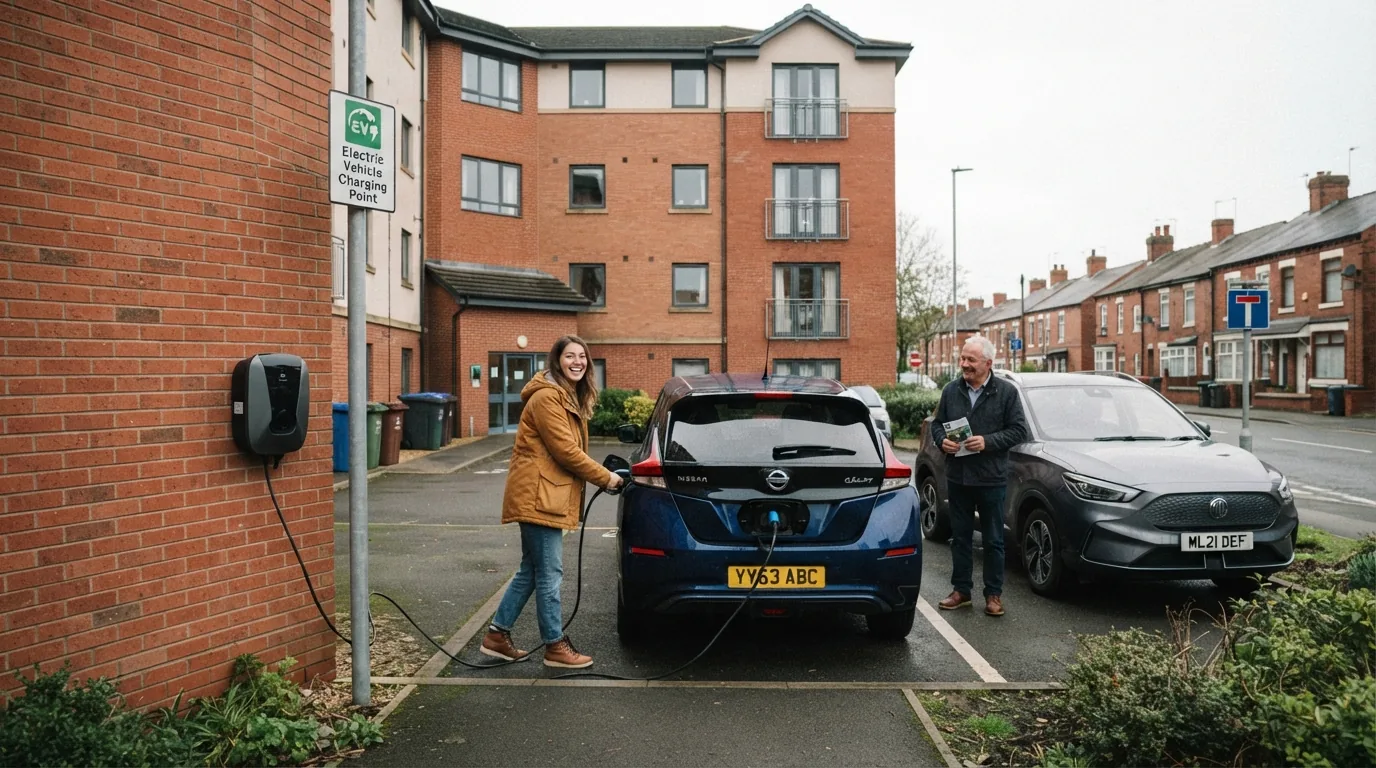
- Eligible groups are renters (house or flat) and flat owner-occupiers with private off-street parking and an EV on the OZEV approved list.
- You cannot apply if you already claimed the EVHS or Domestic Recharge Scheme, are a lodger, or are planning to move.
- Landlord or freeholder written permission must be in place before you apply; the letter must name you, the landlord or freeholder, and the property address.
- Since April 2026 you apply directly via the Find a Grant platform, not through your installer. OZEV takes around 10 working days to assess.
- The grant is confirmed until 31 March 2027, which the government has described as the final year of the programme.
EV chargepoint grant for renters and flat owners: the complete 2026 guide
The government’s EV chargepoint grant gives renters and flat owners up to £500 towards the cost of a home charge point, covering 75% of purchase and installation. It is administered by OZEV (the Office for Zero Emission Vehicles), applications now go through the Find a Grant platform, and the scheme runs until 31 March 2027. That deadline matters: the government has described 2026-27 as the final year of the extended programme.
The grant exists because home charging support was, for years, largely inaccessible to the roughly 4.7 million privately renting households in England, which account for around 19% of all households according to the 2024-25 English Housing Survey. Flat owners faced the same gap. This scheme is specifically targeted at those groups. It requires off-street parking, an OZEV-authorised installer, and, in most cases, written permission from a landlord or freeholder.
If you are researching the full range of options before committing to a charger, our guide to home EV charging covers everything from installation costs to smart tariffs.
What is the EV chargepoint grant and how much is it worth?
The scheme pays a portion of both the hardware and installation costs for a single chargepoint socket at your home. It does not cover cabling works beyond what is needed for the charger itself, and it does not pay you directly.
From 1 April 2026, the grant cap increased from £350 to £500, covering up to 75% of the combined purchase and installation cost. That increase applies to renters, flat owners, landlords, and households with on-street parking. If you applied before April 2026 under the old scheme and received only £350, you can reapply on the new platform for the higher rate.
Typical installed charger costs run to around £700 to £1,000 depending on property type and cable run length (figures vary, verify current installer quotes). At those figures, the grant removes a substantial share of the upfront cost.
| Detail | Value |
|---|---|
| Grant covers | 75% of purchase and installation, up to £500 per socket |
| Scheme end date | 31 March 2027 |
| Previous cap | £350 (before 1 April 2026) |
| One grant per person | Yes, only one claim per applicant |
The scheme has been available since 1 April 2022 in its current form. The April 2026 changes were significant: not just the higher cap, but a new application platform and new evidence requirements. More on both below.
Who qualifies: eligibility in plain terms
The grant has a specific target group. Read through both lists carefully before starting an application.
You qualify if:
- You rent your home under a tenancy agreement, whether that is a house or a flat. Or you own a leasehold flat, including shared ownership. Outright homeowners of detached, semi-detached, or terraced houses are not covered by this scheme.
- Your property is in England, Wales, Scotland, or Northern Ireland.
- You have private, off-street parking that is accessible to you at all times. A shared car park does not automatically disqualify you, provided you have a designated space with a legal entitlement to it.
- You own or have ordered an EV on the OZEV approved vehicle list. Plug-in hybrids must have CO2 emissions below 50g/km. If your vehicle is on order, it qualifies provided delivery is expected within three months.
- You have obtained written permission from your landlord, freeholder, or management company before applying.
You do not qualify if:
- You have already claimed this grant, the previous Electric Vehicle Homecharge Scheme (EVHS), or the Domestic Recharge Scheme (DRS).
- You are a lodger living in accommodation where the landlord also lives on the same property.
- You are planning to relocate from the property.
- Your property is legally required to have charging infrastructure under building regulations or planning conditions, as is the case with many new builds.
- The chargepoint has already been installed before OZEV confirms your eligibility.
That last point is worth underlining: installation before approval means you receive nothing. The sequence matters.
Getting landlord or freeholder permission
This is the step where many applicants stall. For renters, written permission from the landlord is mandatory. For flat owners, written permission from the freeholder or building management company is required in its place. Either way, the permission must be in place before you submit your application, not during or after.
The letter cannot be vague. According to the Find a Grant listing, it must specifically:
- Name the person granting permission (landlord, freeholder, or management company representative)
- Name you as the applicant
- Refer to the specific property address
A letter that simply says “we agree to EV charger installation” without naming the parties and address may not satisfy the requirement.
If your landlord is hesitant, the separate landlord grant is a genuinely useful card to play. A residential landlord chargepoint grant offers landlords up to £500 per socket (up to 200 sockets per applicant) towards the same installation. That means a landlord who grants permission and installs a charger can claim their own grant independently of yours. This is a direct financial incentive, not just a soft appeal. A 2024 survey by The Electric Car Scheme found that 86% of freehold landlords said they would install a charger if asked by a tenant, motivated largely by property appeal and tenant retention (figures vary, trade source).
For flat owners in buildings where the charger would draw from a communal electricity supply rather than your individual meter, the standard single-socket grant may not apply. In those cases, the property manager may need to consider the residential infrastructure grant instead, which operates at a larger scale. Verify the applicable route on the Find a Grant platform for your specific building before proceeding (verify current eligibility criteria for communal-supply properties).
How to apply: the new process from April 2026
The application process changed materially on 1 April 2026. The old installer-led portal is gone. You now apply directly, and this is the detail most currently published guides get wrong.
Step 1: Obtain permission first. Before anything else, get written permission from your landlord or freeholder. The chargepoint must not be installed before OZEV confirms eligibility.
Step 2: Get a quote from an OZEV-authorised installer. You must use an authorised installer or the grant will not be paid. A searchable list of authorised installers is available on the government website.
Step 3: Apply via Find a Grant. Go to find-government-grants.service.gov.uk, create an account, and submit your application directly to OZEV. Under the previous process your installer submitted the application on your behalf. That is no longer how it works. You are responsible for the submission.
Step 4: Wait for OZEV assessment. OZEV aims to assess applications within approximately 10 working days.
Step 5: Receive approval and schedule installation. Once approved, you can book the installation with your OZEV-authorised installer. After installation, you must provide four photographs as evidence: a close-up of the charger unit, a photograph of the model and serial number plate, a photograph of the parking space, and a wide view of the building. This photographic evidence requirement is new from April 2026 and is not mentioned in most current guides.
Step 6: The grant is paid to your installer. You do not receive money directly. The installer deducts the grant from your invoice, and you pay the remaining balance.
What documents you need to gather
Assembling everything before you open the application saves time and avoids stalling mid-process.
For renters:
- Signed, dated tenancy agreement
- Utility bill dated within the past three months, showing your name and the property address
- Written landlord permission letter (naming you, the landlord, and the full property address)
- Quote from your OZEV-authorised installer
- If your EV is on order: order confirmation showing expected delivery within three months
For flat owners:
- Utility bill dated within the past three months, showing your name and the property address
- Written permission from your freeholder or management company (named and addressed to you, with the property address)
- Quote from your OZEV-authorised installer
The EV itself does not need to be registered in your name before you apply, but you will need proof of ownership or an order confirmation if it has not yet been delivered.
What if you don’t have off-street parking?
Lack of a driveway or private parking space does not necessarily mean there is no grant available to you. A separate scheme covers this situation: the EV Chargepoint Grant for Households with On-Street Parking.
This grant also pays up to £500 (75% of costs) and runs to 31 March 2027 under the same terms introduced in April 2026. However, it carries additional requirements:
- A cross-pavement charging solution, commonly called a charging gully, must be installed at the same time as the charger. A gully is a channel routed under the pavement surface from your property to the kerbside, providing a safe, permanent cable route. A temporary cable mat or surface-run cable does not qualify.
- You need prior permission from your local highways authority for the pavement works before the grant is approved.
The gully installation typically adds cost on top of the charger itself, and those costs are not covered by the £500 grant cap (figures vary, verify current gully installation costs with a local OZEV-authorised installer).
Councils across England have committed to expanding kerbside charging infrastructure independently of this grant. Read how on-street chargers for terraced-house drivers are being rolled out if you want to understand the broader public infrastructure picture alongside the grant route.
Scotland: an extra layer of support
If you live in Scotland, the main OZEV grant is fully available to you under the same terms as in England, Wales, and Northern Ireland. But there is potentially a second source of support on top.
Energy Saving Trust manages a separate domestic chargepoint funding scheme on behalf of Transport Scotland. When it is open, it offers up to £400 towards installation costs, and the two grants can be combined. However, this scheme has opened and closed multiple times over the past four years. At the time of research it was described as periodically available rather than continuously open. You should verify the current status directly at energysavingtrust.org.uk/grants-and-loans/domestic-charge-point-funding/ before factoring this into your plans (figures vary, verify current status before applying).
If the Energy Saving Trust scheme is open when you read this, the combined value of both grants could reduce your net installation cost considerably. If it is closed, keep the page bookmarked.
Is the grant worth it, and should you act now?
The short answer is yes, and probably sooner rather than later.
The grant covers 75% of a typical installation. Beyond the upfront saving, home charging costs considerably less per mile than public rapid charging. According to Electric Car Scheme figures, home charging runs at around 7 to 8p per mile versus 22p or more per mile on a public rapid charger (figures vary, trade source; check against current Ofgem domestic electricity rates and current rapid charger tariffs). Over a year of typical driving, that difference adds up.
On the deadline: the government described 2026-27 as the “final year” of the extended programme. That does not mean the scheme will not be renewed after March 2027, but there is no guarantee it will be, and no policy announcement confirming an extension. Acting while the grant is confirmed to exist is a rational choice.
The April 2026 changes also make the process more direct. You are in control of your own application, the platform is centralised, and the higher £500 cap applies from the outset. If you applied under the old scheme and received only £350, reapplying for the difference is a straightforward step.
If public charging remains your fallback while you sort a home installation, it is worth knowing that public charging prices are finally starting to fall, especially at rapid chargers. But home charging, with a grant in hand, remains the better long-term option for most drivers.
For a full picture of your home EV charging options, including smart tariffs that can cut your overnight charging costs, head to our charging hub.
How we test and where our numbers come from
Range figures are official WLTP combined values taken from manufacturer UK specification pages, with real-world estimates drawn from independent comparative testing. Prices are UK list prices at the time of the latest update. Tax, grant and charging-scheme figures come from GOV.UK and HMRC publications. We re-check every guide when pricing, specification or policy changes. Last checked 11 August 2026.
Frequently asked questions
Can renters get a grant for an EV home charger in the UK?
Yes. The government's EV chargepoint grant is open to people renting a house or flat, provided they have a private off-street parking space and a written permission letter from their landlord. The grant covers 75% of purchase and installation costs, up to £500.
Do I need my landlord's permission to install an EV charger?
Yes. Written permission from your landlord is a mandatory part of the application. The letter must name you, the landlord, and the full property address.
Does the EV chargepoint grant cover flat owners?
Yes. If you own a leasehold flat, you are eligible for the same £500 grant as renters. You need private off-street parking and written permission from your freeholder or management company.
How do I apply for the OZEV EV charger grant in 2026?
Since 1 April 2026 you apply directly via the government's Find a Grant platform at find-government-grants.service.gov.uk. You will need to first obtain landlord or freeholder permission, then get a quote from an OZEV-authorised installer, then create an account and submit your application. OZEV assesses applications in around 10 working days.
What happens if I don't have off-street parking?
A separate grant, the EV Chargepoint Grant for Households with On-Street Parking, is available for exactly this situation. It also pays up to £500 (75% of costs) but requires you to install a cross-pavement charging gully at the same time, and you need prior permission from your local highways authority. It runs until 31 March 2027.
Sources and further reading
- gov.ukGOV.UK: Electric vehicle chargepoint grant for renters or flat ownersOfficial eligibility criteria and overview of the scheme
- gov.ukGOV.UK: Changes to EV chargepoint grant schemes from 1 April 2026Full detail on the April 2026 changes, the new platform, and revised grant rates
- find-government-grants.service.gov.ukFind a Grant: Electric Vehicle Chargepoint Grant for Renters and Flat OwnersThe direct application portal; most useful if you are ready to apply now

EV Compared
The EV Compared editorial team tracks the UK electric vehicle market full time: new model launches, list prices, WLTP and real-world range, public charging tariffs and the tax rules that decide what an EV actually costs to run. Every guide is checked against manufacturer specifications and official GOV.UK figures, and updated whenever the numbers move.
Related reading
View all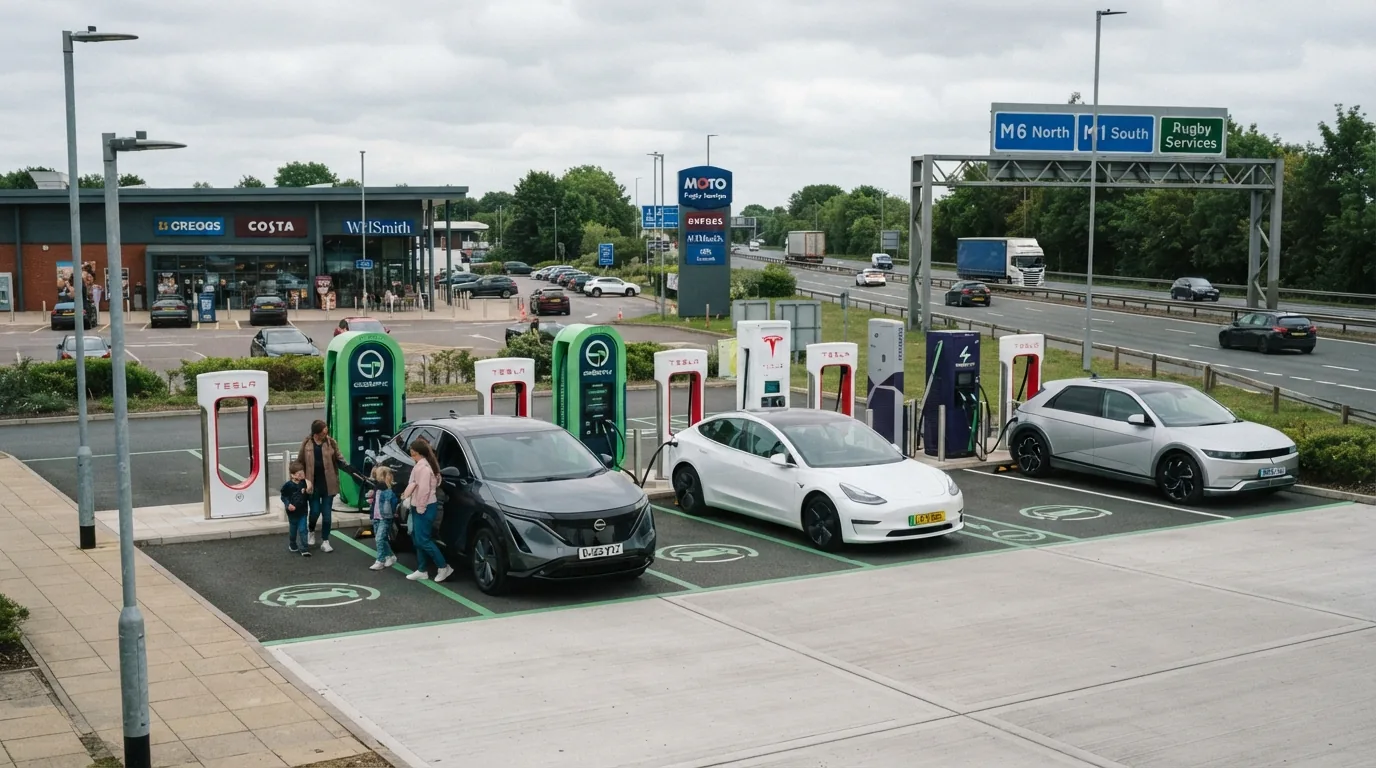
National Grid confirms 6,000 new rapid chargers for motorway network by 2027
A major expansion of high-power charging promises to end the queues at motorway services. We break down where the new units are going, which networks are involved, and what it means for long trips.
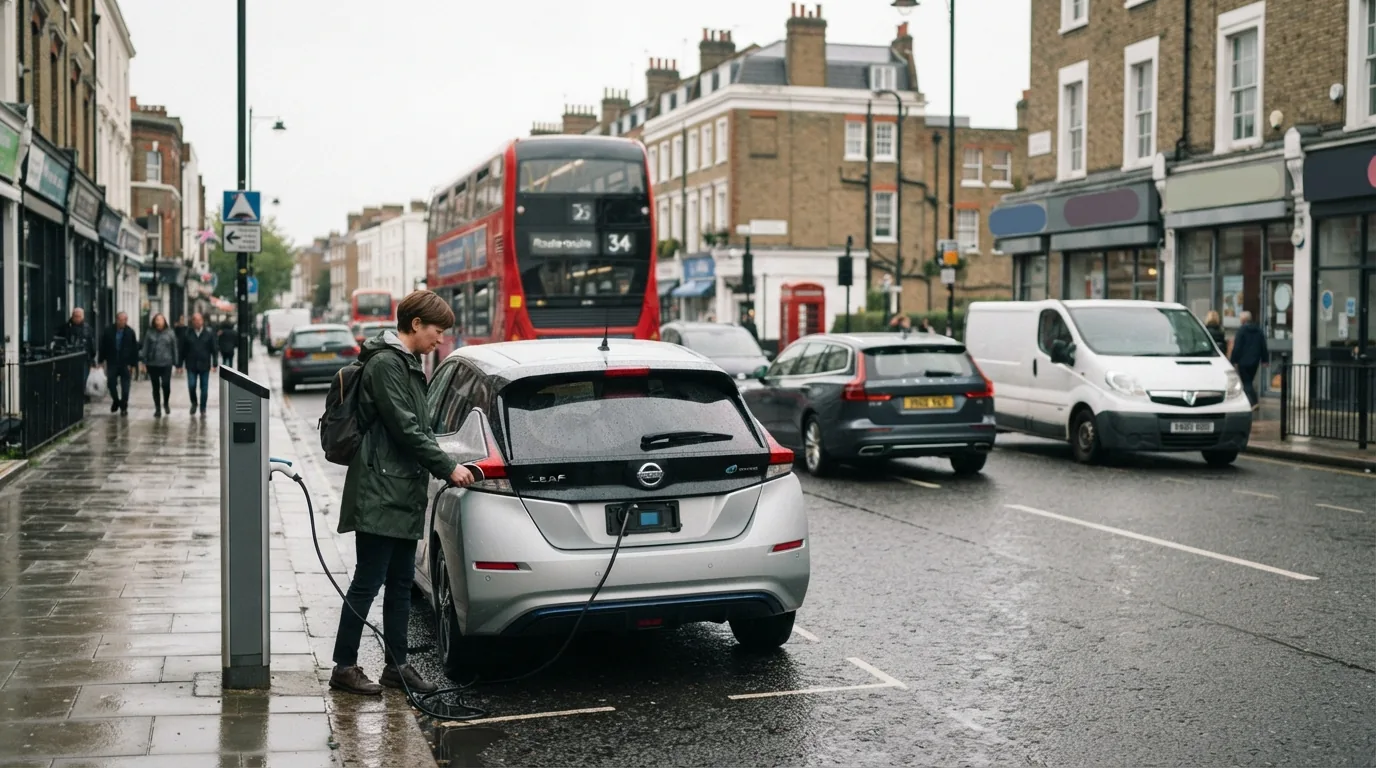
Why public charging prices are finally starting to fall, and where
Competition between rapid-charging networks is heating up. We break down the new per-kWh tariffs, which networks have cut prices most, and the cheapest places to plug in right now.
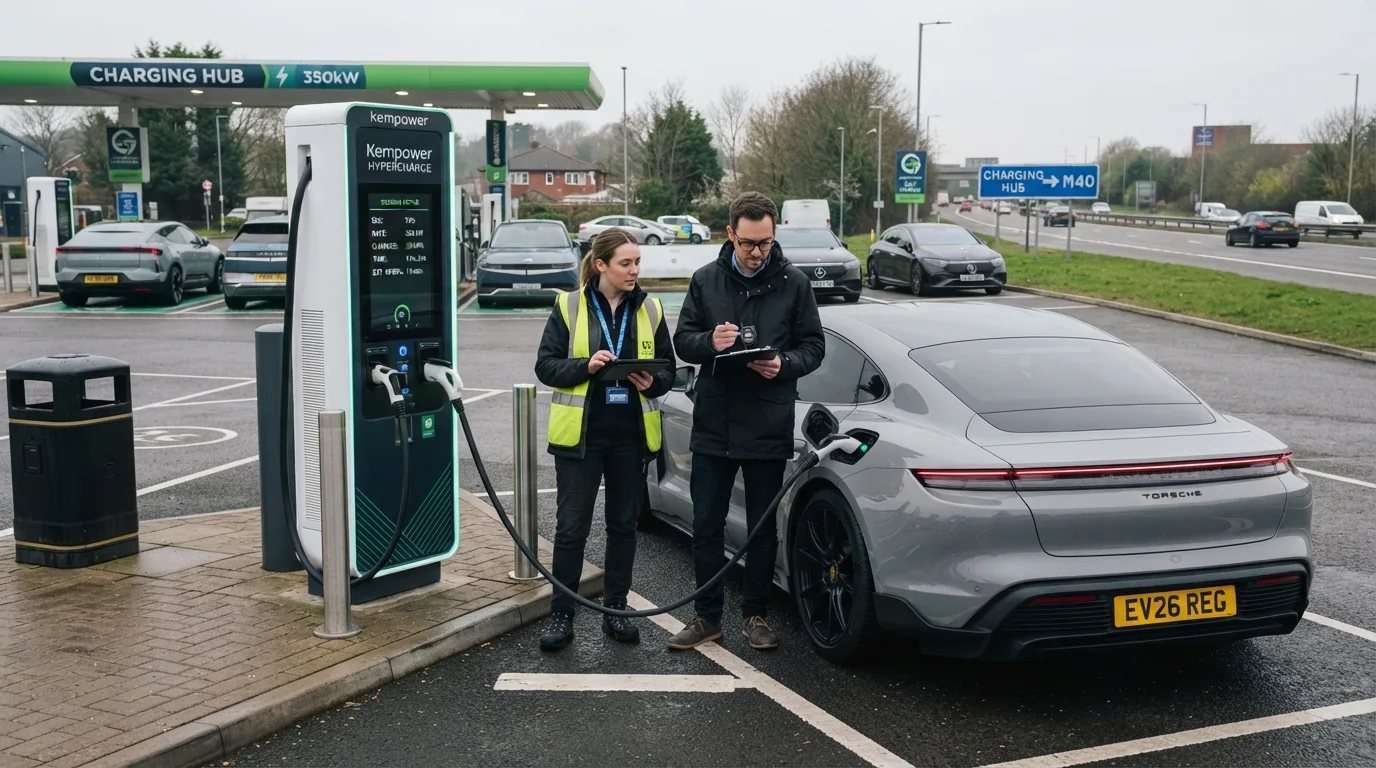
Tested: the fastest 10-80% rapid charge of any car on sale in 2026
We took five flagship EVs to the same 350kW charger to see which really delivers on its headline figures. The results reveal big gaps between claimed and real-world charging speeds.