Zapmap vs A Better Routeplanner: Best EV Trip App in the UK?
Should you use Zapmap or ABRP for EV trips? They do different things. We explain which app does what, and which UK drivers need both.
Quick answers
- Zapmap and A Better Routeplanner (ABRP) are the two apps most frequently mentioned in UK EV communities when it comes to trip planning and charger finding. New EV drivers often assume they need to choose between them.
- Zapmap has the most comprehensive database of UK public chargers available.
- ABRP's core value is understanding how EVs actually behave on real routes.
- The myth: you need to choose between them: The most common misconception among new EV drivers is that these apps are alternatives.
- Which do you need: For the vast majority of UK EV drivers who occasionally do longer trips, the free tiers of both apps are sufficient.
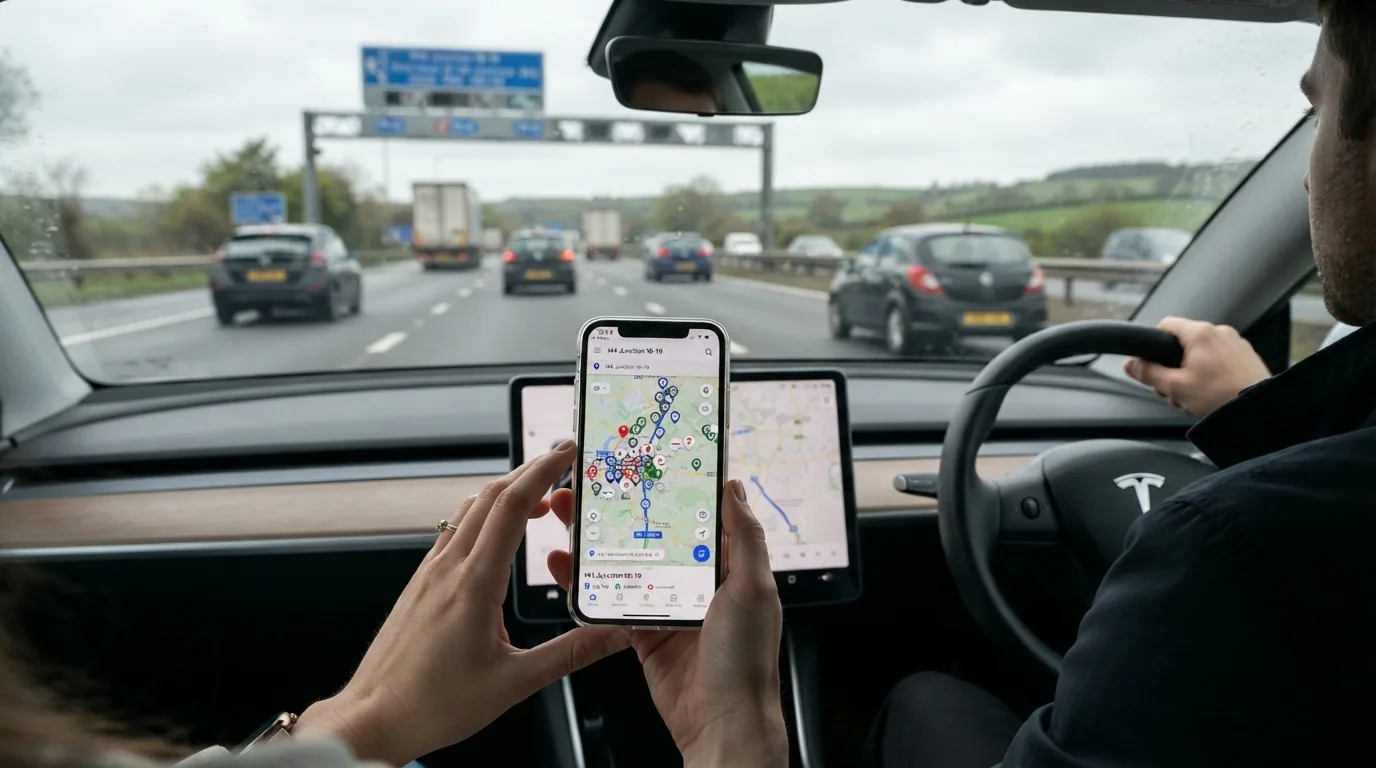
Zapmap and A Better Routeplanner (ABRP) are the two apps most frequently mentioned in UK EV communities when it comes to trip planning and charger finding. New EV drivers often assume they need to choose between them. Experienced drivers almost universally use both.
The direct answer: Zapmap is the best app for finding, checking and paying for UK chargers. ABRP is the best app for planning routes around battery level, charging stops and real-world consumption. They serve different purposes and complement each other rather than compete.
What each app actually does
Zapmap is a charger discovery and payment platform. Its core function is showing you where public EV chargers are across the UK, with live status updates, user check-ins, and an extensive database built by community reporting. With Zap-Pay, you can also start sessions and pay for charging across over 40 networks from within the app.
A Better Routeplanner (ABRP) is a route planning tool built specifically for EVs. You enter your car model, current battery level, destination and preferences (charge stop speed, minimum arrival state of charge), and ABRP calculates the optimal route with charging stops. It knows how different EVs consume energy at different speeds, in different temperatures and on different gradients.
| Feature | Zapmap | ABRP |
|---|---|---|
| Charger map (UK) | Excellent, most comprehensive | Good, uses third-party data |
| Live charger status | Yes (user-reported + network data) | Limited |
| Route planning with battery management | Basic | Excellent |
| In-car navigation | No | Yes (CarPlay, Android Auto, car integration) |
| Payment capability | Yes (Zap-Pay, 40+ networks) | No |
| Charger reviews / check-ins | Yes | No |
| Free tier | Yes (good) | Yes (good) |
| Premium tier | £5/month or £35/year | ~£3.99/month (ABRP Premium) |
| Tesla integration | Yes | Yes (Tesla API token) |
Zapmap in detail: the UK’s charger database
Zapmap has the most comprehensive database of UK public chargers available. It is not just the number of chargers in the database; it is the quality of the community data around each charger. Users report when chargers are broken, when they are busy, and when a new charger opens before it appears in official network data. That community intelligence is Zapmap’s biggest advantage over any rival.
Zap-Pay currently supports over 80,000 chargers across more than 40 networks, which makes it the closest thing the UK has to a universal charging payment app. Instead of juggling separate apps for BP Pulse, Pod Point, Osprey, GeniePoint and others, you can manage them all through a single Zap-Pay account.
Zapmap Premium at £5 per month (or £35 per year) adds CarPlay and Android Auto support, removes in-app advertising, includes a free Zap-Pay RFID card and provides a 5 per cent discount on certain partner chargers. For drivers who regularly use Zap-Pay, the subscription pays for itself quickly.
A notable UK-specific detail: Zapmap data showed that charger reliability across the UK’s public network improved from around 80 per cent uptime in 2023 to closer to 87 per cent by early 2026, according to published Zap-Map statistics. That improvement is partly because the network operators use community-reported fault data to respond faster to breakdowns.
ABRP in detail: route planning that thinks like an EV
ABRP’s core value is understanding how EVs actually behave on real routes. It accounts for:
- Your specific car model’s consumption curve (it knows a Volkswagen ID.4 at 70 mph uses more energy per mile than at 50 mph)
- Ambient temperature (cold weather increases consumption)
- Elevation changes (climbing uses more energy, descending recovers some)
- Wind speed (a significant factor at motorway speeds)
- Your preferred charging networks and minimum speeds
You set your preferred minimum arrival state of charge (say, 10 per cent) and ABRP plans stops that ensure you never arrive below that level, while minimising total journey time (including charge stops).
The free tier of ABRP is excellent for most journeys. Premium (around £3.99/month) adds live traffic data, live charger availability and the ability to send routes directly to your car’s navigation system on supported vehicles.
If you drive a Tesla, you can connect your Tesla account to ABRP via an API token, which gives ABRP real-time battery level data, ambient temperature readings from the car, and actual speed for more accurate predictions. Non-Tesla drivers can use the OBD-II integration with compatible hardware.
The myth: you need to choose between them
The most common misconception among new EV drivers is that these apps are alternatives. They are not. The practical workflow for an experienced UK EV driver doing a long trip is:
- Use ABRP to plan the route: how much battery will you need, where will you stop, which chargers fit the plan?
- Use Zapmap to check the specific chargers ABRP suggests: are they reliable? What do recent check-ins say? Are they busy?
- At the charger, use Zap-Pay (within Zapmap) or the network’s own app to start the session.
Some experienced drivers use ABRP’s route as a sanity check and rely on their car’s built-in navigation for the actual turn-by-turn guidance. Others run ABRP on CarPlay for the whole journey. The right combination depends on your car and preferences.
Which do you need?
Use Zapmap if:
- You mainly charge locally and want to find and pay for nearby chargers
- You want to check charger reliability before committing to a specific stop
- You want a single payment app across multiple networks
Use ABRP if:
- You regularly do journeys beyond your car’s range
- You want accurate predictions rather than rough estimates
- Your car’s built-in navigation does not support non-brand chargers well
- You are planning a holiday route across multiple charging stops
Use both if:
- You do any motorway or intercity driving
- You want the best available combination of route planning and charger reliability data
For the vast majority of UK EV drivers who occasionally do longer trips, the free tiers of both apps are sufficient. The investment in Zapmap Premium makes sense if you regularly use Zap-Pay across multiple networks. ABRP Premium is worth it for frequent long-distance drivers who benefit from live data accuracy.
What to read next
For a full guide to EV apps and digital tools available to UK drivers, visit our EV Tech & Apps guide. For a comparison of all the major EV charging apps, see our best EV charging apps page.
How we test and where our numbers come from
Range figures are official WLTP combined values taken from manufacturer UK specification pages, with real-world estimates drawn from independent comparative testing. Prices are UK list prices at the time of the latest update. Tax, grant and charging-scheme figures come from GOV.UK and HMRC publications. We re-check every guide when pricing, specification or policy changes. Last checked 11 August 2026.
Frequently asked questions
Which do you need?
For the vast majority of UK EV drivers who occasionally do longer trips, the free tiers of both apps are sufficient. The investment in Zapmap Premium makes sense if you regularly use Zap-Pay across multiple networks.

EV Compared
The EV Compared editorial team tracks the UK electric vehicle market full time: new model launches, list prices, WLTP and real-world range, public charging tariffs and the tax rules that decide what an EV actually costs to run. Every guide is checked against manufacturer specifications and official GOV.UK figures, and updated whenever the numbers move.
Related reading
View all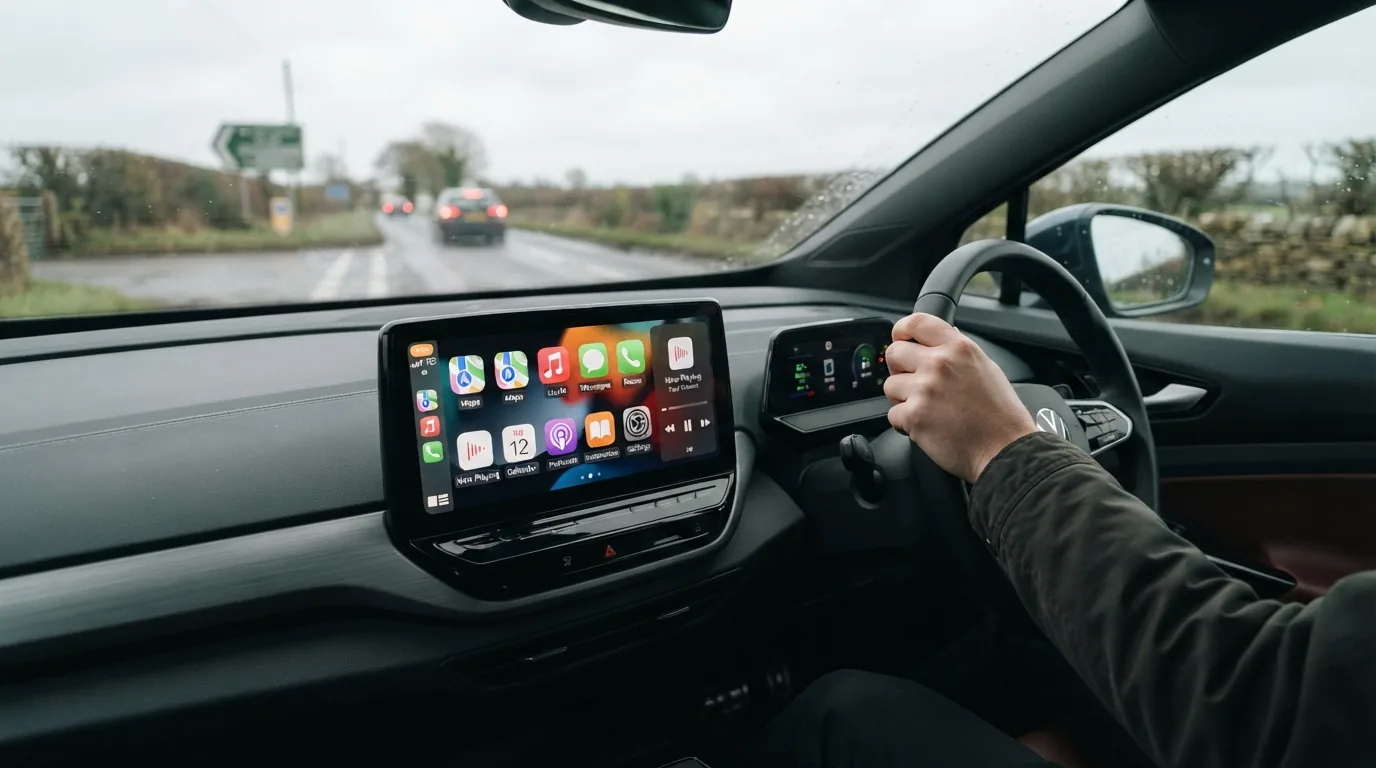
Apple CarPlay vs Built In EV Software: Which Is Better?
Apple CarPlay is familiar and loved, but built-in EV software controls your battery, charging and range. We explain when each wins and which cars get the balance right.
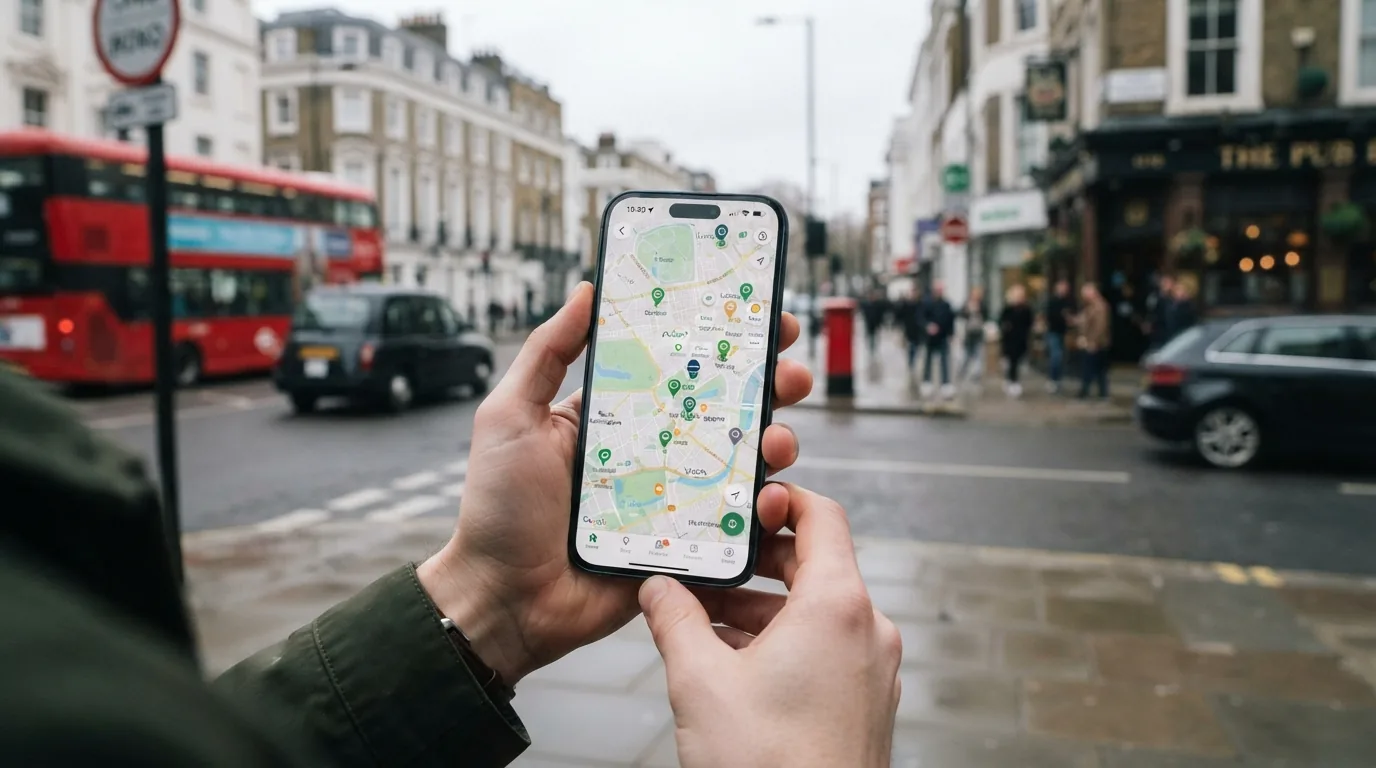
Best Apps to Find EV Chargers in the UK
With over 120,000 public charge points in the UK, the right app makes the difference between a smooth charging stop and a wasted detour. Here are the options ranked
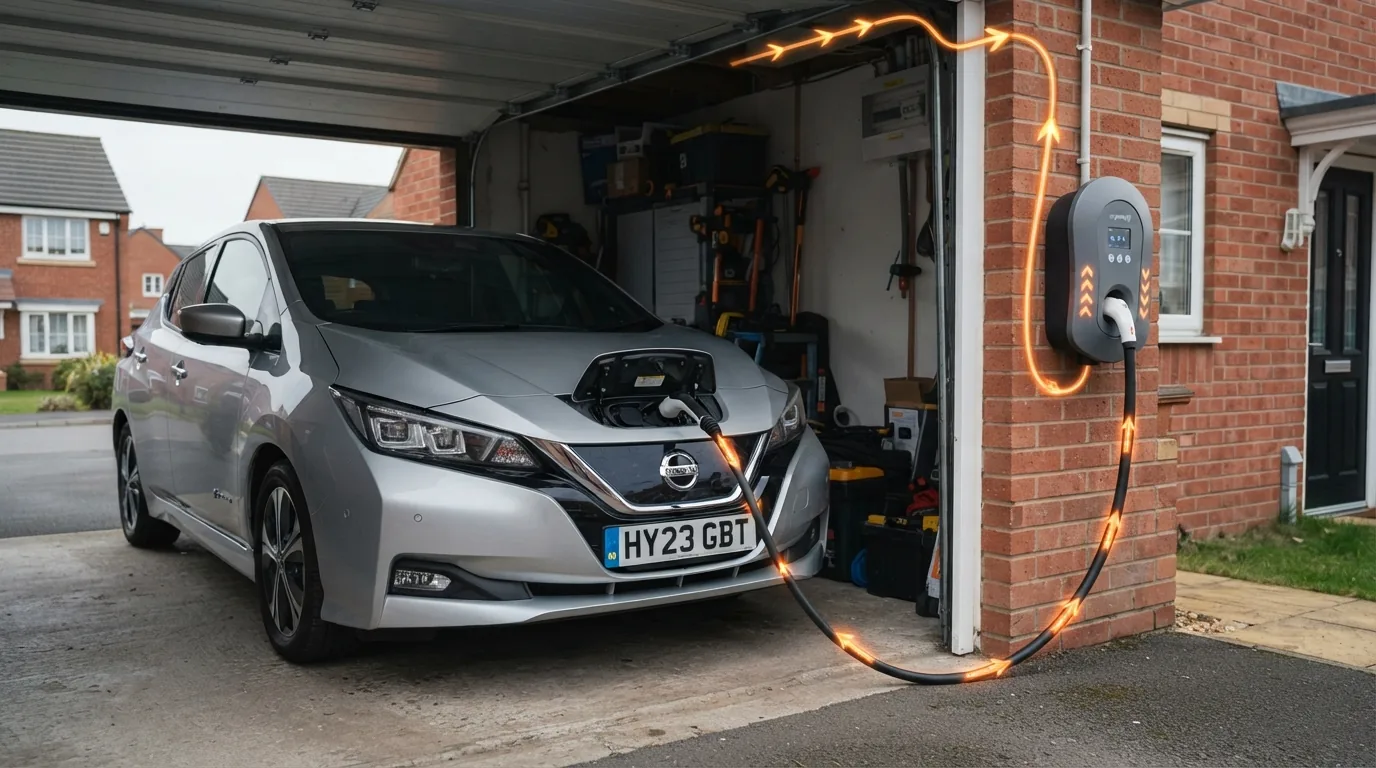
What Is Bidirectional Charging and Can It Power Your Home?
Bidirectional charging lets your electric car act as a home battery or feed the national grid. Here is how it works, what it costs and which UK cars support it in 2026