When Is the Best Time of Year to Buy an Electric Car in the UK?
How plate change dates, ZEV mandate targets and dealer incentives create real buying opportunities
Quick answers
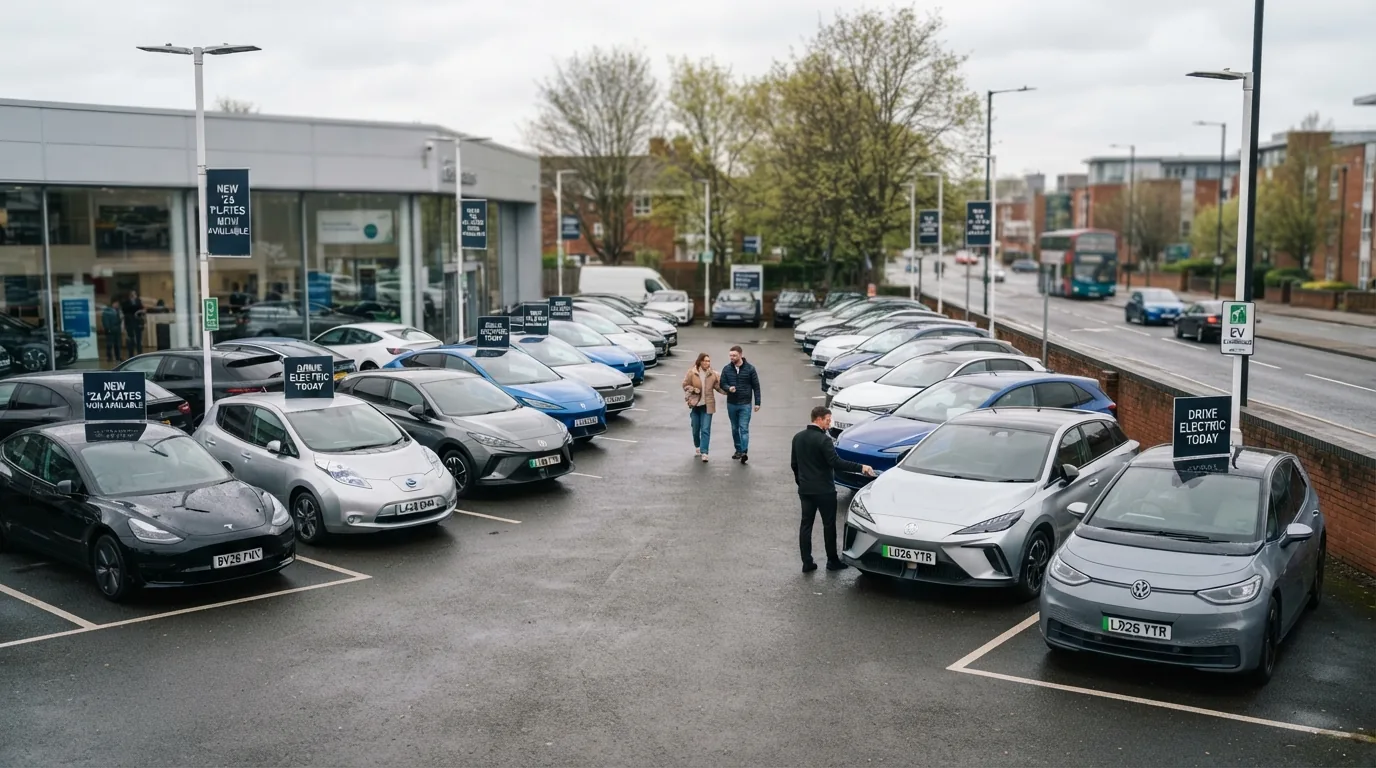
- The UK car market has two peak registration periods per year, March and September, when new number plates are released. These dates create genuine buying opportunities for EVs specifically, driven by manufacturer ZEV mandate compliance pressures that are now unique to the electric car market.
- The UK issues new registration plates on 1 March and 1 September each year.
- For used EV buyers: the autumn opportunity: For buyers interested in used electric cars, October and November represent the strongest window in most years.
- From 2026 onwards, manufacturers face significant financial penalties for not hitting their ZEV percentage targets.
- Register with the dealer's mailing list for the specific model you want, and flag that you are a motivated buyer ready to transact in March or September.
- What is the myth about timing: The most persistent myth is that the absolute cheapest time to buy is always at the year-end in December.
The UK car market has two peak registration periods per year, March and September, when new number plates are released. These dates create genuine buying opportunities for EVs specifically, driven by manufacturer ZEV mandate compliance pressures that are now unique to the electric car market.
The direct answer: March is the best single month to buy a new EV in the UK, followed by September and December. March sees the most aggressive discounts and dealer incentives as manufacturers push volume to hit the first half of the year’s ZEV registration targets. For used EVs, late autumn (October to November) often brings the best value as ex-lease fleet stock floods the market.
How the UK plate change system creates buying windows
The UK issues new registration plates on 1 March and 1 September each year. Cars registered between March and August get a “26” plate in 2026; cars registered from September 2026 get a “76” plate.
These dates matter because:
-
High supply pressure. Dealers and manufacturers want to register significant numbers of cars in each plate period to show market activity, hit sales targets and comply with ZEV mandate requirements.
-
Consumer demand concentration. Buyers who want a new plate number cluster their purchases around March and September, creating intense competition among dealers for that concentrated demand.
-
ZEV mandate quarterly pressure. The UK’s Zero Emission Vehicle mandate requires manufacturers to ensure an increasing percentage of their new car sales are electric. In 2026, the target is 28% of all new car sales from each manufacturer. Manufacturers who fall short face fines of £15,000 per non-compliant car. To avoid fines, manufacturers frequently offer dealer support, cashback, deposit contributions and rate incentives specifically on EVs in the run-up to reporting dates.
When are the biggest EV discounts available?
March (strongest window): The new plate launch in March is the most commercially intense period of the year. In March 2026, some EVs were discounted by up to 43% from list price according to market data. Not all of those discounts are as straightforward as they appear (some include pre-packaged options or apply only to specific trim levels), but genuine savings of 15 to 25% on list price are realistic for in-demand models during March.
September (secondary window): Similar dynamics apply in September, though with typically smaller discounts than March because the first half registration period is a higher-volume target.
December (end-of-year pressure): December is driven by annual manufacturer targets rather than plate changes. Manufacturers and dealers who are short of annual sales or ZEV compliance targets push hard in December. This can produce genuine late deals, particularly in the last fortnight of the month.
End-of-month pressure (year-round): Dealer and manufacturer bonuses are typically calculated monthly. During the last week of any month, dealers who are close to a volume bonus target may be more willing to negotiate. This applies throughout the year, not just at plate change periods.
A guide to buying windows by month
| Month | Buyer advantage | Notes |
|---|---|---|
| January | Some clearance deals on outgoing models | Relatively low activity |
| February | Build-up to March; deals begin appearing | |
| March | Best discounts of the year on most models | Peak supply pressure |
| April–July | Quieter; limited discounts | Good time for specific models in oversupply |
| August | Pre-September clearance on outgoing “26 plate” stock | Dealers may discount to clear forecourt |
| September | Second-best month for deals | New plates arrive |
| October–November | Strong used EV market; ex-fleet stock peaks | |
| December | End-of-year manufacturer pressure | Final two weeks strongest |
For used EV buyers: the autumn opportunity
For buyers interested in used electric cars, October and November represent the strongest window in most years. The reasons:
- A wave of three-year ex-lease and fleet vehicles (registered in the equivalent month three years earlier) enters the market simultaneously
- Dealers need to move stock before the lower-demand Christmas period
- Seasonal demand for cars generally softens in autumn and winter
The first-generation of mass-market EVs (registered 2021 to 2023) produced a large wave of ex-fleet stock in 2024 and 2025 that has compressed used prices significantly. While the sharpest falls are behind us, the autumn pattern of stock arriving and prices softening is structural and repeats each year.
What about ZEV mandate compliance as a specific buying trigger?
From 2026 onwards, manufacturers face significant financial penalties for not hitting their ZEV percentage targets. This creates pressure that is specific to EVs in a way it is not for petrol cars. Manufacturers who are behind their ZEV target mid-year may use:
- Manufacturer-funded deposit contributions (£2,000 to £4,000 applied at point of sale)
- Subsidised finance rates (0% APR deals or very low APRs)
- Service and maintenance packages bundled free
- Discounted accessories or extended warranties
These incentives are not always advertised transparently. They appear as “customer savings” or deposit contributions in dealer materials. Checking the deal against the manufacturer’s recommended price and comparing it to what other dealers are offering for the same car is the best way to assess the real discount.
What is the single most useful tip for timing an EV purchase?
Register with the dealer’s mailing list for the specific model you want, and flag that you are a motivated buyer ready to transact in March or September. Dealers who know they have a confirmed buyer at the end of March are more likely to allocate their manufacturer incentive package to that transaction, which directly reduces your cost.
For high-demand models where allocations are tight, this approach also gives you priority over buyers who walk in during the last week of the month competing for the same limited stock.
What is the myth about timing?
The most persistent myth is that the absolute cheapest time to buy is always at the year-end in December. This may be true for petrol cars that are heavily tied to annual retail targets. For EVs, the ZEV mandate means March is the more commercially pressured month, and genuine discounting in March frequently exceeds what is available in December.
What to do next
For model-specific recommendations to apply this timing to, see our best electric cars to buy in 2026 and electric cars under £30,000. The full picture of buying and owning an EV is in the buying and owning guide.
How we test and where our numbers come from
Range figures are official WLTP combined values taken from manufacturer UK specification pages, with real-world estimates drawn from independent comparative testing. Prices are UK list prices at the time of the latest update. Tax, grant and charging-scheme figures come from GOV.UK and HMRC publications. We re-check every guide when pricing, specification or policy changes. Last checked 11 August 2026.
Frequently asked questions
What about ZEV mandate compliance as a specific buying trigger?
From 2026 onwards, manufacturers face significant financial penalties for not hitting their ZEV percentage targets. This creates pressure that is specific to EVs in a way it is not for petrol cars.
What is the single most useful tip for timing an EV purchase?
Register with the dealer's mailing list for the specific model you want, and flag that you are a motivated buyer ready to transact in March or September. Dealers who know they have a confirmed buyer at the end of March are more likely to allocate their manufacturer incentive package to that transaction, which directly reduces your cost.
What is the myth about timing?
The most persistent myth is that the absolute cheapest time to buy is always at the year-end in December. This may be true for petrol cars that are heavily tied to annual retail targets.

EV Compared
The EV Compared editorial team tracks the UK electric vehicle market full time: new model launches, list prices, WLTP and real-world range, public charging tariffs and the tax rules that decide what an EV actually costs to run. Every guide is checked against manufacturer specifications and official GOV.UK figures, and updated whenever the numbers move.
Related reading
View all
What Are the Biggest Myths About Switching to an EV?
The claims that put UK drivers off going electric, and what the evidence actually says

Should You Buy an EV in 2026 or Wait for Cheaper Models?
An honest look at where EV prices are heading and whether the wait is worth it for UK buyers
Buying and Owning an Electric Car in the UK: The Complete 2026 Guide
Everything you need to know about costs, charging, depreciation and day-to-day life with an EV