Do Electric Cars Hold Their Value? UK Depreciation Explained
Three-year residual values, the models that hold up best and worst, and what battery health means for used EV prices in 2026
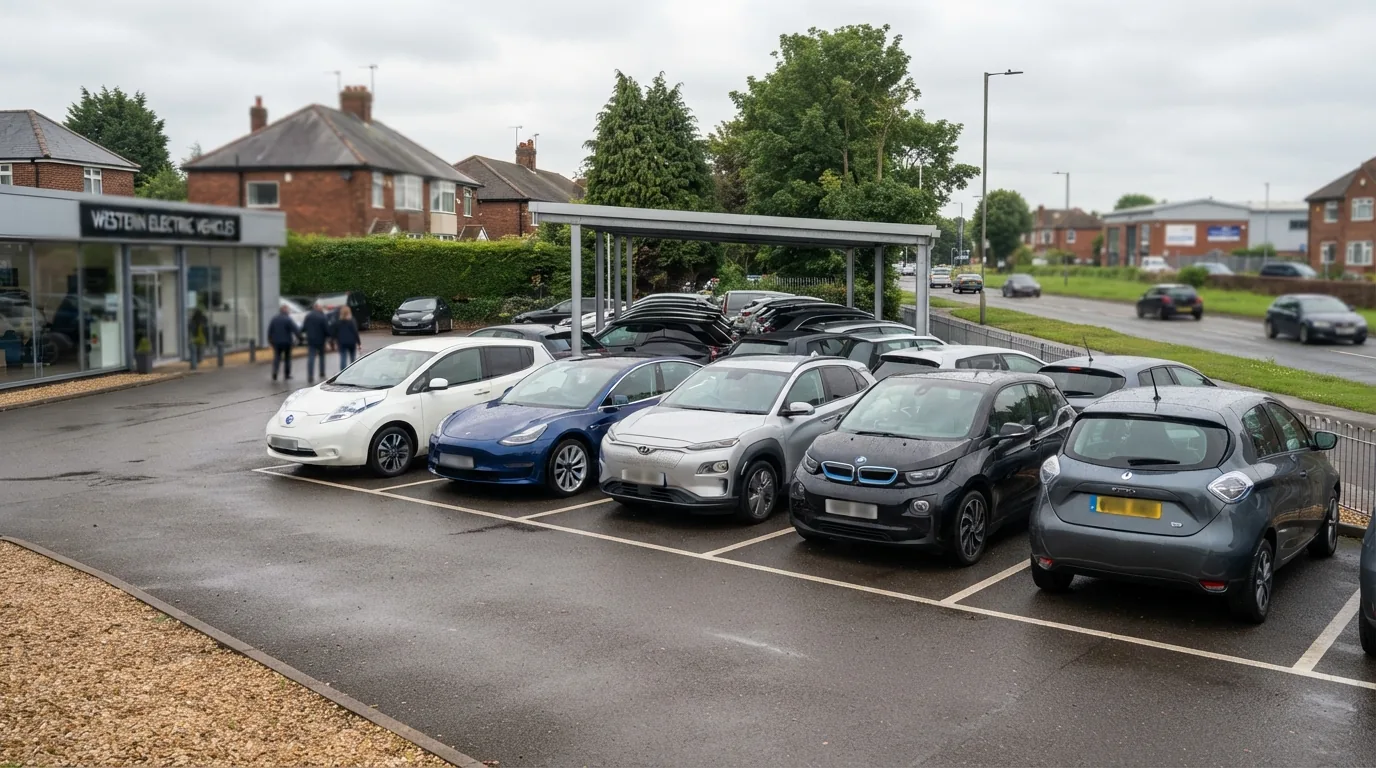
Quick answers
- Electric cars in the UK currently depreciate slightly faster than equivalent petrol cars on average, but the picture is more nuanced than that single statistic suggests. Some EVs now hold their value as well as premium petrol equivalents.
- Which EVs have depreciated most heavily: The lesson from these examples: rapid charging compatibility matters to resale value.
- Battery state of health (SOH) has become the dominant factor in used electric car pricing.
- Depreciation is the largest single cost in any car's ownership cycle.
- Does leasing protect against depreciation: The trade-off is that you build no equity and cannot sell the car if the market moves in your favour.
- What is the myth about EV depreciation: The most common misperception is that all EVs depreciate badly.
Electric cars in the UK currently depreciate slightly faster than equivalent petrol cars on average, but the picture is more nuanced than that single statistic suggests. Some EVs now hold their value as well as premium petrol equivalents. Others, particularly first-generation models with smaller batteries, have lost value sharply. Understanding the difference matters whether you are buying new, buying used, or thinking about resale.
The direct answer: average three-year EV depreciation in the UK in 2026 sits at 38 to 42%, compared with 35 to 40% for equivalent petrol cars. However, well-regarded models from Tesla, Kia, Hyundai and BMW are now broadly comparable to petrol equivalents on residual values, while early-generation Nissan Leaf and Renault Zoe models have depreciated heavily.
Why did EVs depreciate so heavily in 2022 to 2024?
The steep depreciation in used EV prices between 2022 and 2024 had specific causes that are not permanent features of the market:
Government grant changes. The Plug-in Car Grant was cut and then abolished in 2022, reducing new car prices but also making older EVs look overpriced relative to newer equivalents.
Rapidly improving technology. New EV ranges, charging speeds and software improved dramatically between 2020 and 2024, making two or three-year-old cars feel outdated quickly.
High new car supply. Strong ZEV mandate targets pushed manufacturers to push significant volumes into the UK market, which created competitive tension on price.
Used market overcorrection. A rush of ex-lease and fleet stock hit the used market simultaneously in 2023 and 2024, driving prices down further than the underlying fundamentals warranted.
Used EV prices fell around 7 to 9% year-on-year in 2025. Market analysts expect 2026 to be a period of stabilisation rather than further sharp declines. The bottom appears to have been reached for most mainstream models.
Which EVs hold their value best in 2026?
| Model | Typical 3-year depreciation | Key reason |
|---|---|---|
| Tesla Model 3 | 30–35% | OTA updates, Supercharger network, strong brand |
| Tesla Model Y | 32–38% | Best-selling EV in UK; huge ecosystem |
| Porsche Taycan | 30–36% | Premium brand strength; genuine scarcity |
| Kia EV6 | 35–40% | Strong reliability reputation; 7-year warranty |
| Hyundai Ioniq 5 | 35–40% | 800V charging; desirable technology |
| BMW i4 | 35–42% | BMW brand; premium build quality |
| Audi Q4 e-tron | 38–43% | Established brand loyalty |
Which EVs have depreciated most heavily?
| Model | Situation | Why |
|---|---|---|
| Nissan Leaf (2018–2021 models) | 50–60%+ over 3 years | Small battery; CHAdeMO charging (now poorly supported); dated technology |
| Renault Zoe (pre-2021) | 55–65%+ | Battery rental legacy confused buyers; small battery by current standards |
| Jaguar I-Pace | 45–55% | High original price; software limitations; no OTA updates |
| Early Audi e-tron (2019–2021) | 45–50% | High list price; relatively poor real-world efficiency for battery size |
The lesson from these examples: rapid charging compatibility matters to resale value. Any EV that relies primarily on slow AC charging or a near-obsolete DC standard (CHAdeMO) will face ongoing pressure on used values.
What is the single biggest factor in used EV pricing in 2026?
Battery state of health (SOH) has become the dominant factor in used electric car pricing. In 2026, it matters more than mileage or age in many transactions.
A used EV with documented evidence of 90% or higher SOH commands a clear premium. A car with the same mileage but only 78% SOH might sell for £2,000 to £5,000 less, depending on the model and original battery size.
This has practical implications for buyers and sellers:
- Sellers who can provide a recent battery health diagnostic from an authorised dealer or independent provider (ClearWatt, for example) get better prices
- Buyers who do not ask about SOH may unknowingly pay a healthy-battery price for a degraded battery
How does depreciation affect the total cost of ownership?
Depreciation is the largest single cost in any car’s ownership cycle. For a new EV bought at £35,000 with 40% three-year depreciation, the depreciation cost alone is £14,000 over three years, or roughly £4,667 per year. This dwarfs fuel and servicing savings.
The counterargument: if you are buying used at the bottom of the depreciation curve (which the 2025 to 2026 period represents for many models), you get the technology of a 2021 or 2022 EV at prices that reflect 60% or more depreciation from new. Used EV buyers in 2026 are in an unusually advantageous position.
Does leasing protect against depreciation?
Yes, completely. With a lease, the depreciation risk sits with the finance company, not the driver. This is one reason leasing has been particularly popular for EVs: the risk of rapid value decline that spooked many buyers in 2022 to 2024 does not apply when you hand the car back.
The trade-off is that you build no equity and cannot sell the car if the market moves in your favour.
What is the myth about EV depreciation?
The most common misperception is that all EVs depreciate badly. That was broadly true in 2022 and 2023, but the market has bifurcated sharply. Premium EVs from established brands with good charging networks and OTA update capability now hold value as well as any equivalent vehicle. The cars that continue to depreciate quickly are genuinely outdated: slow to charge, short on range by current standards, or lacking software support from their manufacturers.
If you are buying a new EV in 2026, choose a model that will still feel current in three years. That means at least 200 miles of real-world range, at least 100 kW DC charging, and manufacturer commitment to ongoing software updates.
What does this mean for buyers in 2026?
New car buyers should factor depreciation into their total cost calculation, particularly for cars above £50,000 where residual value outcomes are less certain. Three-year PCP deals are priced by lenders based on Guaranteed Minimum Future Value (GMFV) estimates; if lenders are conservative, your monthly payment will be higher. Compare the GMFV percentage on any PCP deal to the real-world depreciation data above.
Used car buyers in 2026 are in a strong position. Prices have largely corrected, and there is genuinely good value available at the three to four-year mark. Focus on models with documented battery health above 85% SOH, CCS fast charging compatibility, and a live manufacturer warranty.
For model recommendations by value and retention, see our best electric cars to buy in 2026. The full picture of ownership economics sits in the buying and owning guide.
How we test and where our numbers come from
Range figures are official WLTP combined values taken from manufacturer UK specification pages, with real-world estimates drawn from independent comparative testing. Prices are UK list prices at the time of the latest update. Tax, grant and charging-scheme figures come from GOV.UK and HMRC publications. We re-check every guide when pricing, specification or policy changes. Last checked 11 August 2026.
Frequently asked questions
Why did EVs depreciate so heavily in 2022 to 2024?
Used EV prices fell around 7 to 9% year-on-year in 2025. Market analysts expect 2026 to be a period of stabilisation rather than further sharp declines.
Which EVs have depreciated most heavily?
The lesson from these examples: rapid charging compatibility matters to resale value. Any EV that relies primarily on slow AC charging or a near-obsolete DC standard (CHAdeMO) will face ongoing pressure on used values.
What is the single biggest factor in used EV pricing in 2026?
Battery state of health (SOH) has become the dominant factor in used electric car pricing. In 2026, it matters more than mileage or age in many transactions.
How does depreciation affect the total cost of ownership?
Depreciation is the largest single cost in any car's ownership cycle. For a new EV bought at £35,000 with 40% three-year depreciation, the depreciation cost alone is £14,000 over three years, or roughly £4,667 per year.
Does leasing protect against depreciation?
Yes, completely. With a lease, the depreciation risk sits with the finance company, not the driver.

EV Compared
The EV Compared editorial team tracks the UK electric vehicle market full time: new model launches, list prices, WLTP and real-world range, public charging tariffs and the tax rules that decide what an EV actually costs to run. Every guide is checked against manufacturer specifications and official GOV.UK figures, and updated whenever the numbers move.
Related reading
View all
What Are the Biggest Myths About Switching to an EV?
The claims that put UK drivers off going electric, and what the evidence actually says
Should You Buy an EV in 2026 or Wait for Cheaper Models?
An honest look at where EV prices are heading and whether the wait is worth it for UK buyers
Buying and Owning an Electric Car in the UK: The Complete 2026 Guide
Everything you need to know about costs, charging, depreciation and day-to-day life with an EV