How Much Does It Cost to Service an Electric Car in the UK?
A full EV service typically costs around £100 to £250, less than petrol or diesel, and here is what affects the price
Quick answers
- A full EV service in the UK typically costs around £100 to £250, with the average just over £140.
- That is cheaper than a petrol or diesel full service, which averages around £174, partly because there is no oil, spark plugs or exhaust to deal with.
- Most EVs need servicing once a year or every 10,000 to 20,000 miles, but always follow your handbook because makers differ.
- Servicing and maintenance can be around 23% cheaper for EVs than petrol or diesel over three years and 60,000 miles.
- Tyres can wear faster and out-of-warranty high-voltage repairs are costly, so the savings are real but not unlimited.
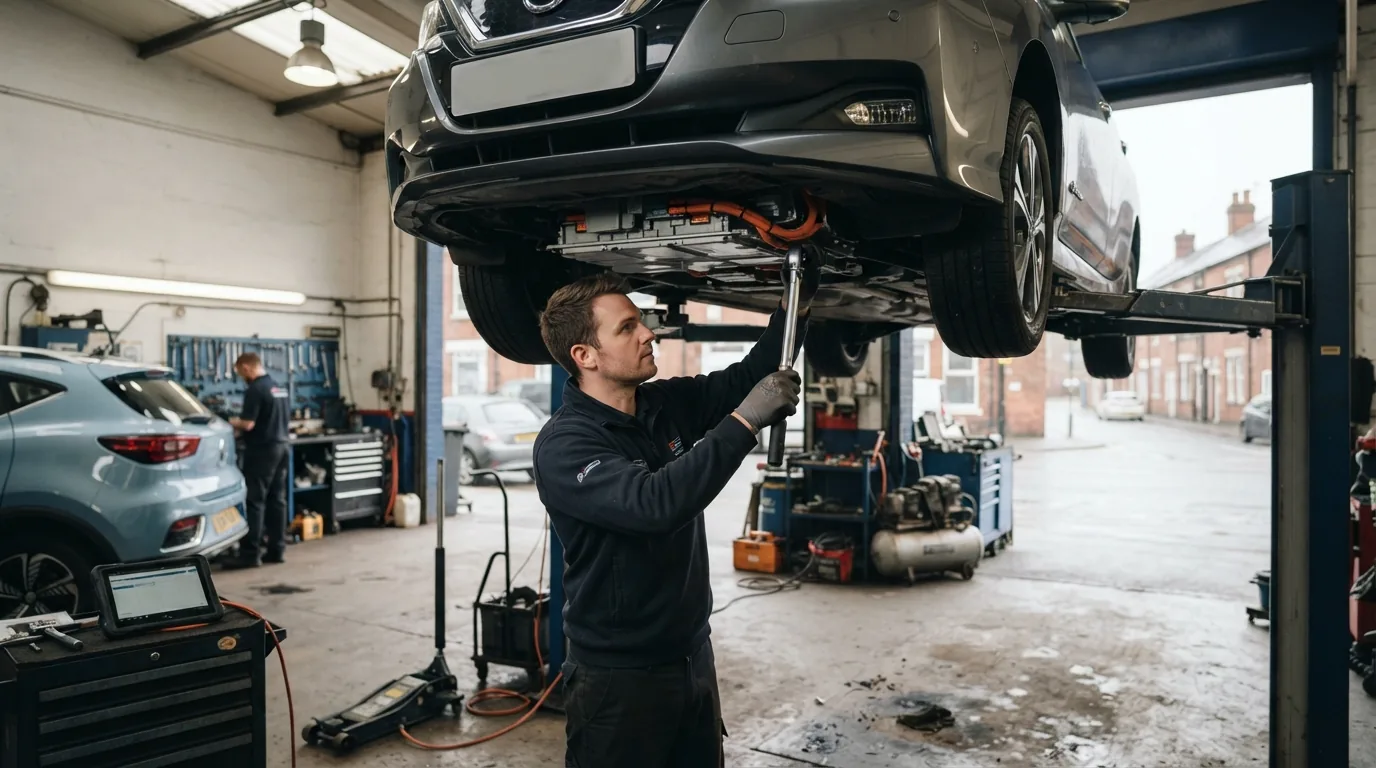
A full EV service in the UK typically costs around £100 to £250, with the average just over £140. That is cheaper than the roughly £174 average for a petrol or diesel full service. The saving comes down to what is not there: no engine oil, no spark plugs, no exhaust and no clutch to deal with. Add in the fact that regenerative braking reduces wear on the pads, and the routine cost picture for a Vauxhall or Volkswagen EV looks meaningfully different from its petrol equivalent.
Servicing is not legally required, but your MOT is. Every EV needs an annual MOT from the third anniversary of its first registration, the same as any petrol or diesel car. Many owners conflate the two, so it is worth keeping them separate in your budget.
How much does it cost to service an electric car?
The £100 to £250 range is a realistic starting point for most UK drivers, but the spread is wide because the variables are real. A small hatchback serviced at an independent garage tends to sit at the lower end; a large premium SUV at a franchised dealer will push towards the top.
Aggregate data from booking platforms gives a clearer steer on what most people pay. BookMyGarage and WhoCanFixMyCar put the average EV service at around £155.64, compared with £206.43 for an internal combustion engine service, a saving of around £50.79 (figures vary, verify current data). Carwow, drawing on Pod data, puts the average full EV service at £143.75.
Typical price points you can expect:
- Small to mid-size EV at an independent garage: £100 to £150
- Mid-size EV at a franchised dealer: £150 to £200
- Premium or large SUV at a franchised dealer: £200 to £250 or above
- Add-on battery health diagnostic: £50 to £100
EV vs petrol service cost: how do they compare?
EVs cost less to service across the board, but the gap narrows if you own a large or premium model. The table below sets out average full-service costs by vehicle type. These are sector averages and will vary by model, garage and region.
| Vehicle type | Typical full service cost | Notes |
|---|---|---|
| Electric (EV) | ~£100 to £250, avg ~£140 | No oil, spark plugs or exhaust |
| Petrol | avg ~£151 | Includes oil and filter change |
| Diesel | avg ~£163 | DPF, AdBlue and injector checks add cost |
| Hybrid | avg ~£163 | Combines ICE and electric checks |
| Petrol/diesel combined average | ~£174 | Blended industry average |
Go Ultra Low research, cited by the RAC, found that servicing and maintenance averaged 23% cheaper for EVs than petrol or diesel cars over three years and 60,000 miles.
Manufacturer service plans sharpen the comparison further. The RAC notes that a Renault Zoe service plan costs £299 for three years and 30,000 miles, against £499 for the petrol equivalent. Audi e-tron plans start from £299.25, versus £449.25 for a comparable 2.0L combustion model. Vauxhall’s core EV service starts from £90 for the first year (£239 with a cabin filter check), and new Vauxhall EVs include three years of free servicing (figures vary, verify current data).
Lower servicing bills are one reason running an EV can work out cheaper over time, so if the numbers stack up for you it is worth comparing the best electric cars to buy in the UK before you commit.
How often does an electric car need servicing?
Most EVs need servicing once a year or every 10,000 to 20,000 miles, whichever comes first. That said, the range between manufacturers is wide enough that the owner’s handbook is the only reliable authority for your specific car.
Some examples from common UK models:
- VW ID.3 and ID.4: first inspection after two years, then annually or every 18,000 miles
- Nissan Leaf: every 18,000 miles or one year, whichever comes first
- Hyundai models: every 10,000 to 20,000 miles
- Tesla: no fixed schedule; the car prompts you when a service is needed
Servicing is not a legal requirement, but skipping it can complicate warranty claims. EV batteries are typically warranted for eight years or 100,000 miles to retain at least 70% capacity, and keeping a full service record strengthens your position if a fault arises.
What does an electric car service include?
A standard EV service checks fewer components than a petrol or diesel equivalent, but it is not a shorter or simpler job. The high-voltage battery requires specialist diagnostic equipment, and the checks still take time.
What is included:
- High-voltage battery health diagnostics
- Charging port and cable inspection
- Coolant for the battery cooling system
- Brake fluid and full brake inspection
- Tyre condition and pressures
- Suspension and steering
- Cabin air filter
- Software updates
- Lights, wipers and safety items
What is not included (because EVs do not have them):
- Engine oil and oil filter
- Spark plugs
- Fuel or air filters
- Exhaust system
- Manual gearbox and clutch
One point worth knowing about brakes: regenerative braking significantly reduces brake pad wear, which means pads last longer on most EVs. However, if the car is mostly driven on slow urban roads where regen handles most of the braking, the physical discs can corrode through lack of use. That is why brakes are still inspected at every service.
Where should you get an EV serviced, and can you do it yourself?
While your car is under warranty, using a franchised dealer is the safest choice. Some manufacturers require proof of authorised servicing for warranty claims, so check your specific terms before booking an independent garage.
Once the warranty period ends, independent garages can be meaningfully cheaper. The catch is finding one with the right qualifications. According to Auto Express, only around 16% of UK mechanics are currently qualified to service EVs (figures vary, verify current data). That limited supply can keep prices closer to dealer rates than you might expect, and it means “electric car servicing near me” does not always return as many options as the equivalent petrol search.
When choosing a garage, look for IMI-accredited EV technicians or equivalent qualifications. Booking platforms such as BookMyGarage filter by EV capability, which simplifies the search.
On the question of doing it yourself: the safe basics are cleaning, topping up screen wash and visually checking tyres and brakes. That is where DIY should stop. The high-voltage system runs at hundreds of volts and is fully sealed. Touching it without the right training and equipment is genuinely dangerous, and no self-service work on the high-voltage system replaces a professional inspection or protects your warranty.
Are electric cars cheaper to service than petrol and diesel?
The answer is yes for routine maintenance, and by a clear margin. No oil changes, fewer wear items and reduced brake wear from regenerative braking all lower the day-to-day cost of ownership. The 23% long-term saving over three years and 60,000 miles reflects that consistently lower baseline.
The savings are real, but they are not unlimited. Tyres can wear faster on EVs because the extra weight from the battery pack and the instant torque delivery put more stress on them. And if a high-voltage component fails out of warranty, the cost can be steep. Auto Express reported a quote of around £16,000 for a replacement 58kWh VW ID.3 battery, which is an extreme case but a useful reminder that the battery warranty matters.
On balance, the running-cost advantage of an EV is genuine and builds over time. For most drivers, servicing costs lower than petrol or diesel are one of the more predictable financial wins of making the switch. If you are at the stage of weighing up which model makes sense, take a look at the best electric cars to buy in the UK for a curated shortlist based on real-world running costs. You can also find a broader look at what EV ownership involves day-to-day in our buying and owning hub.
Useful Resources
RAC EV maintenance, service and repairs guide https://www.rac.co.uk/drive/electric-cars/running/ev-maintenance-service-and-repairs-guide/
Auto Express electric car servicing and repairs https://www.autoexpress.co.uk/tips-advice/359267/electric-car-servicing-and-repairs-uk-costs-pitfalls-and-finding-local-garage
GOV.UK getting an MOT https://www.gov.uk/getting-an-mot
How we test and where our numbers come from
Range figures are official WLTP combined values taken from manufacturer UK specification pages, with real-world estimates drawn from independent comparative testing. Prices are UK list prices at the time of the latest update. Tax, grant and charging-scheme figures come from GOV.UK and HMRC publications. We re-check every guide when pricing, specification or policy changes. Last checked 11 August 2026.
Frequently asked questions
How often should you service an electric car?
Most EVs need servicing once a year or every 10,000 to 20,000 miles, whichever comes first. Some manufacturers set different intervals: VW IDs have a two-year first service, then annually or every 18,000 miles, while Tesla prompts service only when the car detects it is needed. Your owner's handbook is the only reliable authority for your specific model.
Do electric cars need an MOT?
Yes. Every EV needs an annual MOT from the third anniversary of its first registration, exactly like petrol and diesel cars. The test covers the same core safety areas, but there is no exhaust emissions test for a fully electric car.
What does an electric car service include?
A standard EV service includes high-voltage battery health diagnostics, charging port and cable inspection, brake fluid and brake checks, tyres, suspension, coolant, cabin filter and software updates. It does not include engine oil, spark plugs, fuel or air filters, or an exhaust inspection, because EVs do not have any of those components.
Are electric cars cheaper to maintain than petrol or diesel cars?
Generally yes. Fewer moving parts, no oil changes and reduced brake wear from regenerative braking mean lower routine costs. Go Ultra Low research, cited by the RAC, found servicing and maintenance averaged around 23% cheaper for EVs than petrol or diesel over three years and 60,000 miles.
Can you service an electric car yourself?
Only the very basics are safe to do yourself: cleaning, topping up screen wash and visually checking tyres and brakes. The high-voltage system runs at hundreds of volts and is fully sealed. It must be left to a qualified technician.
Sources and further reading
- rac.co.ukRACPrimary source referenced in this article.

EV Compared
The EV Compared editorial team tracks the UK electric vehicle market full time: new model launches, list prices, WLTP and real-world range, public charging tariffs and the tax rules that decide what an EV actually costs to run. Every guide is checked against manufacturer specifications and official GOV.UK figures, and updated whenever the numbers move.
Related reading
View all
What Are the Biggest Myths About Switching to an EV?
The claims that put UK drivers off going electric, and what the evidence actually says
Should You Buy an EV in 2026 or Wait for Cheaper Models?
An honest look at where EV prices are heading and whether the wait is worth it for UK buyers
Buying and Owning an Electric Car in the UK: The Complete 2026 Guide
Everything you need to know about costs, charging, depreciation and day-to-day life with an EV