Best Salary Sacrifice EVs for High Earners in the UK
Premium electric cars for 40% and 45% taxpayers: what you actually save and which models make sense
Quick answers
- Salary sacrifice works disproportionately well for higher earners. A 40% taxpayer saves 42p in income tax and National Insurance for every £1 of salary sacrificed.
- How much does a higher earner really save: The savings are largest in absolute terms when the salary sacrifice is larger (i.e. for a more expensive car).
- Effective monthly costs are approximate, calculated as gross sacrifice less income tax and NI savings, plus monthly BIK charge.
- The Polestar 2 is the standout choice for high earners who want something genuinely different.
- The Model 3 Long Range at 436 miles WLTP beats every other car at this price for usable range.
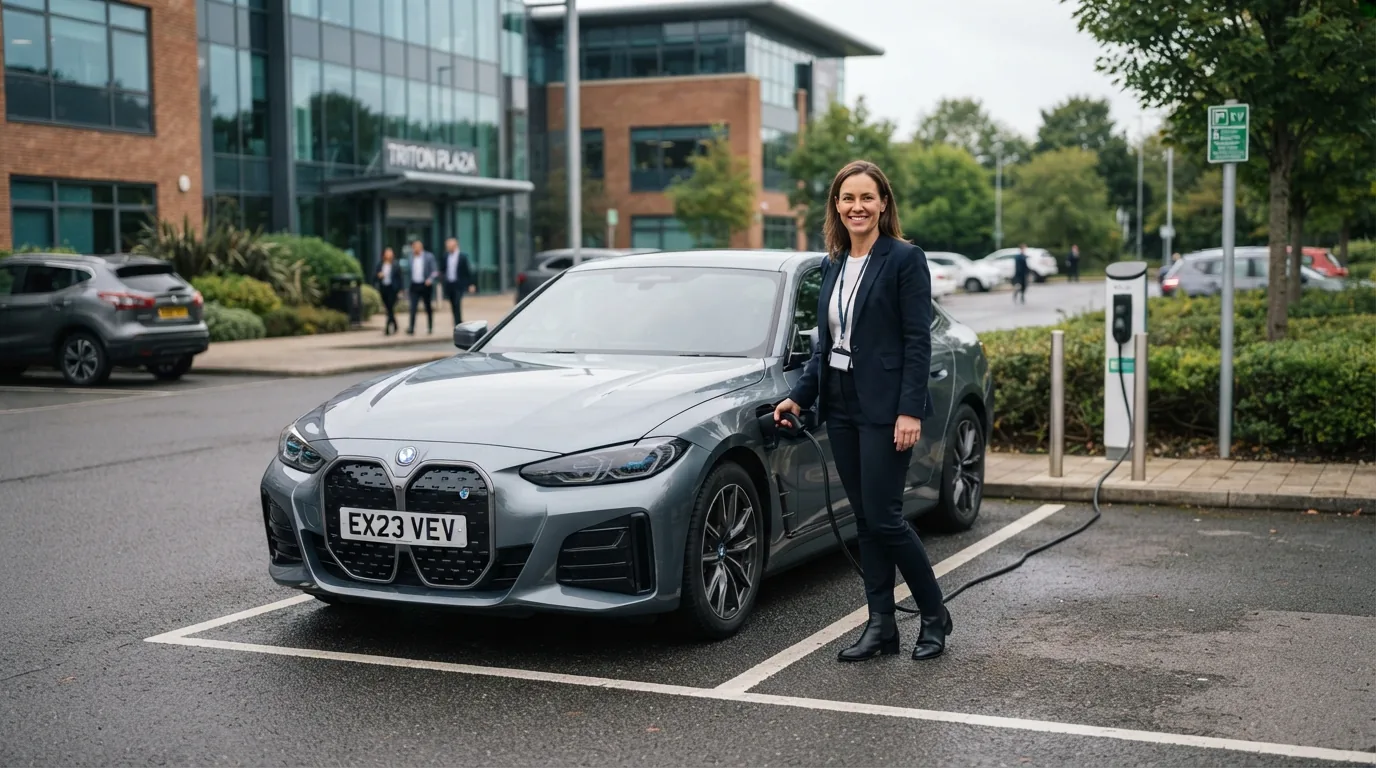
- The BMW i4 remains the reference point for higher earners moving from diesel M Sport 3 Series or 4 Series company cars.
Salary sacrifice works disproportionately well for higher earners. A 40% taxpayer saves 42p in income tax and National Insurance for every £1 of salary sacrificed. An additional-rate taxpayer above £125,140 saves 47p per £1. Combined with the 4% BIK rate for electric cars in 2026/27, salary sacrifice at the top of the income scale means a premium EV can cost a genuinely small fraction of its list price in real monthly outlay. This page covers the best models for higher earners in 2026, along with real figures on what they actually cost after tax savings.
How much does a higher earner really save?
The savings are largest in absolute terms when the salary sacrifice is larger (i.e. for a more expensive car). Here is a worked example for a 40% taxpayer on a premium EV:
Car: Polestar 2 Long Range Single Motor P11D value: £48,950 Gross monthly sacrifice: £510
| Item | Annual amount |
|---|---|
| Gross sacrifice | £6,120 |
| Income tax saved (40%) | £2,448 |
| Employee NI saved (2%) | £122 |
| Total saving on sacrifice | £2,570 |
| BIK tax (£48,950 × 4% × 40%) | £783 |
| Net annual saving vs personal lease | approximately £1,787 |
| Effective monthly cost | approximately £361 |
A personal contract hire on the same car would cost around £510 per month from net pay. Through salary sacrifice, the effective cost is approximately £361 per month for a 40% taxpayer: a saving of £149 per month, or £1,787 per year.
For an additional-rate (45%) taxpayer on the same car, the saving is larger still:
| Item | Annual amount |
|---|---|
| Gross sacrifice | £6,120 |
| Income tax saved (45%) | £2,754 |
| Employee NI saved (2%) | £122 |
| Total saving on sacrifice | £2,876 |
| BIK tax (£48,950 × 4% × 45%) | £881 |
| Net annual saving vs personal lease | approximately £1,995 |
| Effective monthly cost | approximately £344 |
Comparison: salary sacrifice costs for high earners across premium EVs
| Model | P11D | Monthly sacrifice | Effective cost (40%) | Effective cost (45%) | WLTP range |
|---|---|---|---|---|---|
| Polestar 2 LR Single | £48,950 | ~£510 | ~£361 | ~£344 | 407 miles |
| Tesla Model 3 LR | £45,990 | ~£490 | ~£348 | ~£332 | 436 miles |
| BMW i4 eDrive40 | £53,900 | ~£560 | ~£398 | ~£380 | 365 miles |
| Hyundai Ioniq 6 | £42,995 | ~£455 | ~£323 | ~£308 | 338 miles |
| Kia EV6 | £40,895 | ~£435 | ~£309 | ~£295 | 381 miles |
| Mercedes CLA Electric | ~£45,000 | ~£475 | ~£338 | ~£322 | 400+ miles |
| Audi Q4 e-tron | ~£48,000 | ~£500 | ~£356 | ~£339 | 320 miles |
| BMW iX1 xDrive30 | £48,600 | ~£505 | ~£359 | ~£342 | 269 miles |
Effective monthly costs are approximate, calculated as gross sacrifice less income tax and NI savings, plus monthly BIK charge.
1. Polestar 2 Long Range: best premium driver’s car on salary sacrifice
The Polestar 2 is the standout choice for high earners who want something genuinely different. Its 407-mile WLTP range from the 82kWh battery is class-leading, its 205kW DC charging speed (10–80% in 28 minutes) is competitive, and its interior feels authentically premium: Harman Kardon audio, Google-powered infotainment, Nappa leather available on high trims.
Unlike a BMW or Audi, the Polestar badge is not yet ubiquitous in UK company car parks, which suits some senior professionals. The effective monthly cost for a 40% taxpayer is around £361, which is exceptional value for this level of car.
2. Tesla Model 3 Long Range: best for range and Supercharger access
The Model 3 Long Range at 436 miles WLTP beats every other car at this price for usable range. Access to Tesla’s Supercharger network is a meaningful operational advantage: rapid, reliable 250kW charging at over 1,500 UK locations means motorway charging is genuinely stress-free.
Higher earners who cover significant motorway mileage, or who want to travel long distances in a single day without planning around charging, will find the Model 3’s combination of efficiency and network coverage hard to beat. Effective monthly cost for a 40% taxpayer is around £348.
3. BMW i4 eDrive40: best premium brand with full dealer support
The BMW i4 remains the reference point for higher earners moving from diesel M Sport 3 Series or 4 Series company cars. The eDrive40 delivers a genuinely engaging driving experience, 365 miles WLTP, and a BMW cabin that feels familiar and meticulously assembled. The 205kW DC charging is fast, and BMW’s nationwide dealer network makes servicing straightforward.
The P11D of £53,900 means the monthly sacrifice is higher and the BIK charge slightly larger than the Polestar 2, but for those committed to the BMW brand, the premium is defensible.
4. Mercedes CLA Electric: new entrant with exceptional range
The new Mercedes CLA Electric, launched in 2026, has generated genuine excitement among senior company car drivers. With over 400 miles of real-world range and S-Class levels of interior quality, it challenges the BMW i4 and Polestar 2 directly. Mercedes’s PR position as the most refined EV in this class may resonate particularly with client-facing senior employees.
5. Audi Q4 e-tron: best SUV for high earners
For senior employees who prefer an SUV to a saloon or fastback, the Audi Q4 e-tron offers the familiar Audi premium interior, a 320-mile WLTP range, and a P11D around £48,000. The SUV body style and raised seating position suit drivers who cover substantial motorway miles with luggage. The Q4 e-tron’s 125kW DC charging is the one limitation versus faster-charging rivals.
One insight the industry rarely mentions
High earners are not predominantly choosing the most expensive cars on salary sacrifice. The proportional saving as a percentage of the effective monthly cost is similar across the range. A 40% taxpayer saves roughly 32% of the gross sacrifice regardless of car price. The practical difference is that a premium car’s larger sacrifice produces a larger absolute saving in pounds per month.
HMRC’s approach is also worth noting: the 4% BIK rate applies identically whether the car costs £30,000 or £100,000. There is no progressive BIK system for expensive EVs. A £100,000 electric company car costs a 40% taxpayer £4,000 per year in BIK, or £333 per month, which is still less than many petrol executives pay for a £40,000 diesel.
What about the personal allowance and the 60% trap?
Additional-rate taxpayers are largely above the personal allowance taper (£100,000–£125,140), where effective marginal tax rates can reach 60%. Salary sacrifice in this band deserves special attention: by reducing your gross taxable income, you can shift earnings out of the taper zone and recover some of your personal allowance. An employee earning £110,000 who sacrifices £6,000 reduces their taxable income to £104,000, recovering some personal allowance and potentially saving significantly more than a straightforward 45% income tax calculation suggests.
This is a nuanced area. If your salary falls in the £100,000–£125,140 band, speak to an accountant before calculating your salary sacrifice saving: the benefit is likely to be even larger than the standard calculation shows.
What should you do next?
For the full context on how salary sacrifice works and how to compare it with a standard company car arrangement, see our company cars and fleet guide. For the best models across all price ranges including value options, visit our best electric cars for salary sacrifice page.
How we test and where our numbers come from
Range figures are official WLTP combined values taken from manufacturer UK specification pages, with real-world estimates drawn from independent comparative testing. Prices are UK list prices at the time of the latest update. Tax, grant and charging-scheme figures come from GOV.UK and HMRC publications. We re-check every guide when pricing, specification or policy changes. Last checked 11 August 2026.
Frequently asked questions
How much does a higher earner really save?
A personal contract hire on the same car would cost around £510 per month from net pay. Through salary sacrifice, the effective cost is approximately £361 per month for a 40% taxpayer: a saving of £149 per month, or £1,787 per year.
What about the personal allowance and the 60% trap?
Additional-rate taxpayers are largely above the personal allowance taper (£100,000–£125,140), where effective marginal tax rates can reach 60%. Salary sacrifice in this band deserves special attention: by reducing your gross taxable income, you can shift earnings out of the taper zone and recover some of your personal allowance.
Sources and further reading
- gov.ukHMRCPrimary source referenced in this article.

EV Compared
The EV Compared editorial team tracks the UK electric vehicle market full time: new model launches, list prices, WLTP and real-world range, public charging tariffs and the tax rules that decide what an EV actually costs to run. Every guide is checked against manufacturer specifications and official GOV.UK figures, and updated whenever the numbers move.
Related reading
View all
What Does the 2030 Petrol and Diesel Ban Actually Mean?
Separating the facts from the myths: what changes in 2030, what does not, and what it means for your next car

Best Affordable EVs Under the Electric Car Grant
The electric cars that combine a government grant with the lowest purchase prices in the UK market right now

What Is the Benefit in Kind Rate for Electric Cars?
The electric car BiK rate is 4% for 2026/27, rising to 9% by 2029/30 on a confirmed schedule. Here is what that means for your tax bill, with worked examples and a full multi-year projection.