What Is the EV Chargepoint Grant for Homeowners?
Who can still claim the £500 home chargepoint grant in 2026, and who is no longer eligible
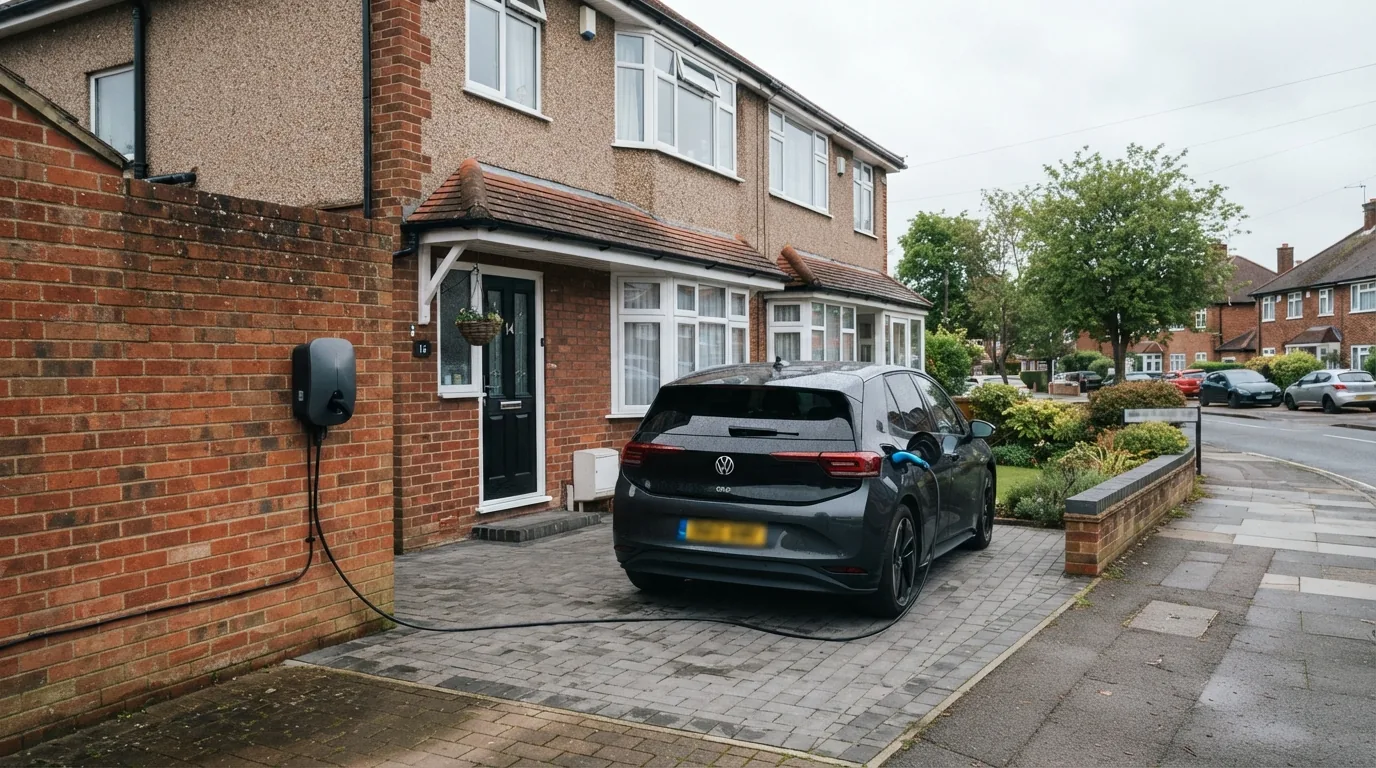
Quick answers
- The government's EV chargepoint grant for home installations is worth up to £500 per socket in 2026, but it no longer covers the most obvious group: homeowners who own a house with a private driveway. Since April 2026, the grant is focused on renters, flat owner-occupiers and residential landlords.
- Why did the rules change: When the home chargepoint grant launched under the old OZEV framework, it was open to homeowners with driveways.
- Who qualifies for the grant in 2026: In all cases, the applicant must own or hold a lease of at least six months on an OZEV-approved electric vehicle at the time of application.
- What does the grant cover: From 1 April 2026, the grant covers 75% of the cost of purchasing and installing an EV chargepoint socket, up to £500 per socket.
- How do you apply: The application process changed on 1 April 2026, when the renters and flat-owners grant moved to a new platform.
- What about landlords: Residential landlords can claim up to £500 per socket to install chargepoints in properties they let out.
The government’s EV chargepoint grant for home installations is worth up to £500 per socket in 2026, but it no longer covers the most obvious group: homeowners who own a house with a private driveway. Since April 2026, the grant is focused on renters, flat owner-occupiers and residential landlords. If you own a house outright, you will not be eligible. If you rent or own a flat, you could be.
Why did the rules change?
When the home chargepoint grant launched under the old OZEV framework, it was open to homeowners with driveways. Over time the government concluded that homeowners in that position face no particular barrier to installation; a 7kW wallbox typically costs £700 to £1,200 installed, and market pricing has come down significantly as the industry has scaled up. The grant was therefore refocused on groups who face genuine structural barriers: renters who lack landlord approval, flat-owners in buildings with complex leasehold arrangements, and landlords who need encouragement to equip their properties.
Who qualifies for the grant in 2026?
| Applicant type | Eligible? | Conditions |
|---|---|---|
| Homeowner with private driveway (house) | No | No longer covered |
| Renter in any residential property | Yes | Must have private off-street or allocated parking |
| Flat owner-occupier | Yes | Must have parking space associated with the flat |
| Residential landlord | Yes | Up to £500 per socket for rental properties |
In all cases, the applicant must own or hold a lease of at least six months on an OZEV-approved electric vehicle at the time of application. You cannot claim the grant speculatively before buying an EV.
What does the grant cover?
From 1 April 2026, the grant covers 75% of the cost of purchasing and installing an EV chargepoint socket, up to £500 per socket. This increased from the previous maximum of £350 per socket. On a typical 7kW wallbox installation costing around £800, the grant covers £500, leaving you to pay £300. Installation costs vary depending on cable runs, electrical panel work and labour rates, so get a quote from an OZEV-approved installer before budgeting.
The grant applies to the combined cost of hardware and installation. It does not cover extra groundworks, electrical panel upgrades or other preparatory work as standalone items, though an approved installer can advise on what is and is not claimable.
What if I only have on-street parking?
You may still be eligible. If you rent or own a property but only have on-street parking, the grant can cover an approved cross-pavement cable management solution (also called a charging gully). This is a purpose-built covered channel that allows a charging cable to safely cross the pavement between your property and the kerbside. Not all installations are feasible depending on pavement width, kerb design and local council rules, but it is worth investigating if this is your only parking option.
How do you apply?
The application process changed on 1 April 2026, when the renters and flat-owners grant moved to a new platform. The steps are:
- Check you meet the applicant and site eligibility criteria on GOV.UK.
- Find an OZEV-approved installer from the official list. They will manage the application on your behalf.
- The installer submits your application through the OZEV portal and arranges the chargepoint installation once approval is confirmed.
- OZEV pays the grant directly to the installer, who deducts it from your invoice.
You do not need to submit forms or handle the grant payment yourself. The key thing is to use an approved installer from the start; using an unregistered installer means no grant.
What about landlords?
Residential landlords can claim up to £500 per socket to install chargepoints in properties they let out. The property must have private, dedicated off-road parking and the landlord must obtain consent from tenants before installation if the chargepoint is in a shared space. This grant is designed to encourage landlords to equip rental properties with charging infrastructure, which directly benefits tenants who do not qualify for a personal home chargepoint grant.
What about flat owners in leasehold buildings?
If you own a flat, the process typically requires consent from the freeholder or managing agent before installation. An OZEV-approved installer can advise on the consent process, and many managing agents are now familiar with the procedure. The grant application normally requires evidence of parking space ownership or allocation. OZEV’s guidance notes that managing agents and freeholders have no legal obligation to grant consent, though in practice most do when approached properly.
What does not qualify?
- Homeowners who own a house (as opposed to a flat) and have a driveway: no longer covered
- Shared or communal parking that is not clearly allocated to your property
- Installation upgrades or replacement of existing chargepoints (new installations only)
- Smart chargepoints that do not appear on OZEV’s approved product list
What about solar integration?
Some drivers want to pair their home chargepoint with a solar installation or a battery storage system. The OZEV grant covers the chargepoint and its installation; solar panels and battery systems are funded separately through the Smart Export Guarantee, Octopus Energy’s various home energy products and similar routes. They are not claimable through the chargepoint grant.
How does the grant compare to just paying for installation yourself?
On a £800 to £1,200 installed wallbox, the grant saves £500. That is meaningful but not transformative for most buyers. The more significant factor in the total cost of home charging is your energy tariff. EV-specific overnight tariffs like Octopus Go or Intelligent Octopus can offer off-peak electricity rates of around 7p to 9p per kWh, versus the standard rate of around 24p. Over a year, a typical EV driver covering 8,000 miles could save £400 to £600 per year on charging costs by using an overnight tariff. Choosing the right tariff is at least as financially important as the one-time £500 grant.
Common mistakes to avoid
Thinking homeowners with driveways still qualify. This is the most common confusion. The scheme changed in April 2026 and houses with driveways are out.
Using a non-approved installer. Using any installer not on OZEV’s list means the grant cannot be claimed. The installer must be approved before any work begins.
Not owning an EV yet. You need to own or have a qualifying lease on an OZEV-approved EV before applying. You cannot reserve the grant before your car arrives.
Assuming the grant covers all ancillary work. Cable trenching, consumer unit upgrades and similar preparatory work are not always included within the claimable amount.
What to do next
If you rent, own a flat or are a residential landlord, check the GOV.UK eligibility criteria and find an OZEV-approved installer in your area. They will confirm whether your parking situation qualifies and handle the application.
For the full landscape of EV grants including car purchase subsidies, see our overview of what EV grants are available in the UK. For the policy context, return to the grants, policy and legislation hub.
How we test and where our numbers come from
Range figures are official WLTP combined values taken from manufacturer UK specification pages, with real-world estimates drawn from independent comparative testing. Prices are UK list prices at the time of the latest update. Tax, grant and charging-scheme figures come from GOV.UK and HMRC publications. We re-check every guide when pricing, specification or policy changes. Last checked 11 August 2026.
Frequently asked questions
Why did the rules change?
When the home chargepoint grant launched under the old OZEV framework, it was open to homeowners with driveways.
Who qualifies for the grant in 2026?
In all cases, the applicant must own or hold a lease of at least six months on an OZEV-approved electric vehicle at the time of application. You cannot claim the grant speculatively before buying an EV.
What does the grant cover?
From 1 April 2026, the grant covers 75% of the cost of purchasing and installing an EV chargepoint socket, up to £500 per socket. This increased from the previous maximum of £350 per socket.
What if I only have on-street parking?
You may still be eligible. If you rent or own a property but only have on-street parking, the grant can cover an approved cross-pavement cable management solution (also called a charging gully).
How do you apply?
You do not need to submit forms or handle the grant payment yourself. The key thing is to use an approved installer from the start; using an unregistered installer means no grant.
Sources and further reading
- gov.ukGOV.UK OZEVPrimary source referenced in this article.

EV Compared
The EV Compared editorial team tracks the UK electric vehicle market full time: new model launches, list prices, WLTP and real-world range, public charging tariffs and the tax rules that decide what an EV actually costs to run. Every guide is checked against manufacturer specifications and official GOV.UK figures, and updated whenever the numbers move.
Related reading
View all
What Does the 2030 Petrol and Diesel Ban Actually Mean?
Separating the facts from the myths: what changes in 2030, what does not, and what it means for your next car
Best Affordable EVs Under the Electric Car Grant
The electric cars that combine a government grant with the lowest purchase prices in the UK market right now

What Is the Benefit in Kind Rate for Electric Cars?
The electric car BiK rate is 4% for 2026/27, rising to 9% by 2029/30 on a confirmed schedule. Here is what that means for your tax bill, with worked examples and a full multi-year projection.